Growth
How to Open Up Emotionally: Overcome Your Fear & Struggles

Opening up emotionally means letting people get to know and experience the true you, imperfections included, and expressing yourself honestly. You do it a little at a time: get to know your own feelings and what can hurt you, choose carefully who you open up to, then share both positive and negative feelings in small steps. Openness can be cultivated with discipline and practice.
Opening up is very difficult for many people. Letting your guard down, allowing yourself to become vulnerable for even a second can seem like too much to handle. Why deal with the potential consequences of a negative emotional aftermath and pain? It seems a lot easier to simply remain distant and detached for some.
What about positive emotions, the lifting gorgeous feeling of sharing your deepest, innermost emotions with another person and receiving an equally open response? Sharing your deepest emotions can enhance emotional intimacy, leading to stronger bonds and a greater sense of trust and security between partners. Is it better to walk through life protecting yourself from experiencing the bad if that also means preventing yourself from experiencing the good?
It's not easy, we all know it. Everybody hurts, and the fear of getting hurt is real and tough to deal with. However, missing out on the beautiful moments in life can also hurt and leave behind a scent of bitter regret. That is why it’s worth trying to resolve the intimacy problems in a relationship. Emotional openness can positively impact mental health by enhancing coping mechanisms and fostering resilience. Let’s see how you can get started.
Why Do I Struggle To Open Up?
Many people struggle to open up because of fear: fear of becoming vulnerable, of having their feelings used against them, or of meeting manipulation and judgment again. Detached family relationships, fear of uncovering old emotional traumas and negative feelings about their own personality can also hold them back.
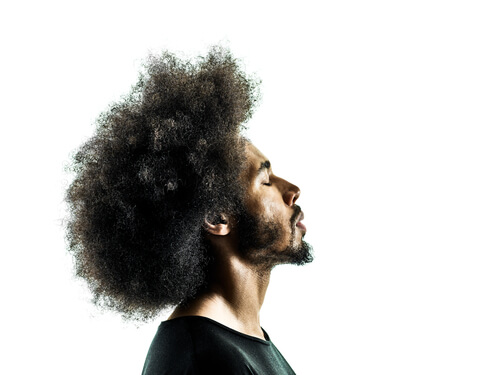
For some people, being open with their emotions is easy. They have the ability to freely share their deepest feelings with their close ones, without fearing emotional backlash. For others, the fear of opening up is simply too great. The potential emotional benefits of doing so vastly pale in comparison to the prospect of their feelings being used against them. They fear the pain.
And that's understandable. None of us want to hurt. None of us want to feel used, mistreated, and emotionally abused. We don't want our emotions thrown back at us, warped beyond recognition. Some of us take the plunge, while others remain wary of showing their true colors to even those closest to them.
It's important to take small steps to feel comfortable when opening up emotionally.
There are many reasons for struggling to open up and fearing being emotionally manipulated after doing so. None of these reasons are easy to overcome and all of them can leave deep emotional scars in all of us:
- Fear of becoming vulnerable in front of somebody else
- There are insecurities about sharing your feelings with others and becoming emotionally available
- Past experience of your own openness being greeted with manipulation and judgement
- Detached relationships in your own family
- Harboring fear of uncovering previous emotional traumas after opening up about your feelings
- You have unfounded negative feelings about your own personality you don’t want others to see
If you worry about your ability to open up emotionally, remember that it's a common challenge and can be cultivated with discipline and practice.
Emotional challenges can happen in relationships, and patience, pause, and understanding are crucial during during these experiences as we decide to grow.
What Does It Mean To Open Up Emotionally?
The simplest way to explain emotional openness is this – you allow people to get to know and experience the true you with all your beautiful aspects and imperfections. It means breaking down the barriers that surround you and being willing to speak out and express yourself honestly. This way, you will give others a chance to see everything you are and make yourself available for new experiences.
Sharing emotions feels good and enhances connections.
And that’s exactly why becoming emotionally open can be so tough. And scary. Horrifying even. When you open up, you do so for the good and for the potentially bad. That can be rough, and no one wants to go be faced with negative emotions. However, without taking the risk, it’s difficult to experience all the beautiful things life has to offer. This is where boundaries and the choosing who you open up to matter greatly. In PIVOT, we use Relational Circle Boundaries to make it possible to begin to open up.
Why Is It Important To Open Up To Others?
Opening up is important because shutting your feelings away to avoid getting hurt also shuts out the good: a deeper connection with others, a better understanding of your own emotions, more confidence and a greater sense of freedom. Holding back can lead to negative consequences of its own.
Opening up to others works both ways. You will get to share your positive and negative emotions with others, and you will also allow them to do the same with you. This helps deepen your personal relationships with both friends and your partner, fostering a more profound and meaningful connection.
However, what happens if you are scared to do so? What happens if you're afraid of being vulnerable, of allowing yourself to become emotionally available to others only to hurt later on? Such thoughts are entirely normal and common.
Some people simply find it too overwhelming to openly express their various feelings. Yet, at the same time, trying to save yourself from the potential negative consequences can also lead to negative consequences.
Make your partner feel supported: practice active listening and empathy, which is crucial in building emotional openness.
Compare holding back your emotions to holding your breath. After a while, it becomes too difficult and painful. Instead, give it a shot, inhale the air, and see what happens. There are several benefits to opening up and learning to express your feelings:
- Improving your connection on a deeper level to others
- Understanding your own emotions better
- Boosting your emotional resilience and stamina
- Reducing stress and anxiety
- Improving your confidence
- Experiencing a greater sense of freedom
- Becoming open to new experiences
How To Open Up Emotionally In A Relationship?
Open up to your partner slowly. Get to know your own feelings, listen to your partner and acknowledge theirs, then share both positive and negative feelings, including past pains and fears. Be honest, ask for honesty in return, and treat mistakes as a way to understand each other.
Your partner is one of the closest people to you. In a healthy, loving relationship, they will be there for the good and the bad, the best and the worst. They will be there to pick you up when you’re down, and lift you up even further when you’re feeling good.
Yet many of us stop ourselves from experiencing the benefits of an emotionally open relationship. We shut ourselves off even from our partners, fearing the vulnerability from doing so.
Opening up takes courage and time, and once you get there you probably won’t want to go back. There are steps you can take to open up slowly and carefully:
- Get to know yourself and your own feelings.
Identify what gets you down, and what makes you smile. Try to determine what situations and which people can hurt you.
- Listen to your partner and acknowledge their own feelings.
Ask them how they react to your behavior and how they deal with your feelings. Get to know their own quirks and likes.
- Share your feelings with your partner.
This is often the most difficult part as you begin to actually open up. Take it slow and share both the positive and the negative feelings.
- Be open about the pains and fears originating in your past.
This can bring about a sense of relief and deeper emotional connection.
- Honesty is the best policy.
Try to be as honest and open as possible when sharing your feelings and thoughts with your partner, and ask them to do the same in return. Honesty is a cornerstone of healthy relationships.
- Don’t be afraid of making emotional mistakes.
Opening up is a journey, and there are going to be missteps. Don’t be hard on yourself, and have understanding for your partner’s mistakes too. Welcome them as a means to understand more about each other.
FAQ: Opening Up Emotionally
Being scared to open up is entirely normal and common, because nobody wants to be hurt. Take small steps rather than sharing everything at once, and choose carefully who you open up to, since boundaries make it possible to begin. Holding your emotions back is like holding your breath: after a while it becomes too difficult and painful.
Open up to your boyfriend or girlfriend gradually. Your partner is one of the closest people to you, and in a healthy, loving relationship is there for the good and the bad, so share both, including the pains and fears from your past. Ask how they deal with your feelings, be as honest as you can, and ask for honesty in return.
Opening up works both ways, so make your partner feel supported. Practice active listening and empathy, acknowledge their feelings, and ask how they react to your behavior and how they deal with your feelings. Share your own feelings honestly and ask them to do the same. When they make emotional mistakes, have understanding for their mistakes too.
Emotional openness can be cultivated with discipline and practice. It takes courage and time, so open up slowly and carefully, and expect some missteps along the way. Patience, pause and understanding matter while you grow. Once you get there, you probably will not want to go back.
Explore PIVOT Relationship Coaching And Start Opening Up To Others

There’s nothing easy about being unable to open up to others. To some, it may seem simple and easy to show your feelings, express your emotions, and share your inner thoughts and struggles with others. However, the matter is often a lot more complicated and difficult that it can initially look, and becoming emotionally open can be a terrifying prospect.
The reasons behind emotional unavailability and closedness are many and varied. They can originate from excessive past emotional abuse, or they can be linked to being betrayed once or several times in your relationship. Sometimes, there is no honesty in a relationship that would facilitate open exchanges of both positive and negative emotions.

All this can become detrimental to you and your partner, as well as your relationship. That is why PIVOT has designed both small group men's and women's mental health retreats that foster emotional openness, and individual coaching that can help with trying to open up and resolve underlying issues. Our experienced coaches and mental health professionals are here to help you resolve the problems you have. Start your journey toward emotional freedom: leave behind negative emotions, old traumas, and unhealthy coping mechanisms. Contact us to discover healthier ways to manage and thrive!