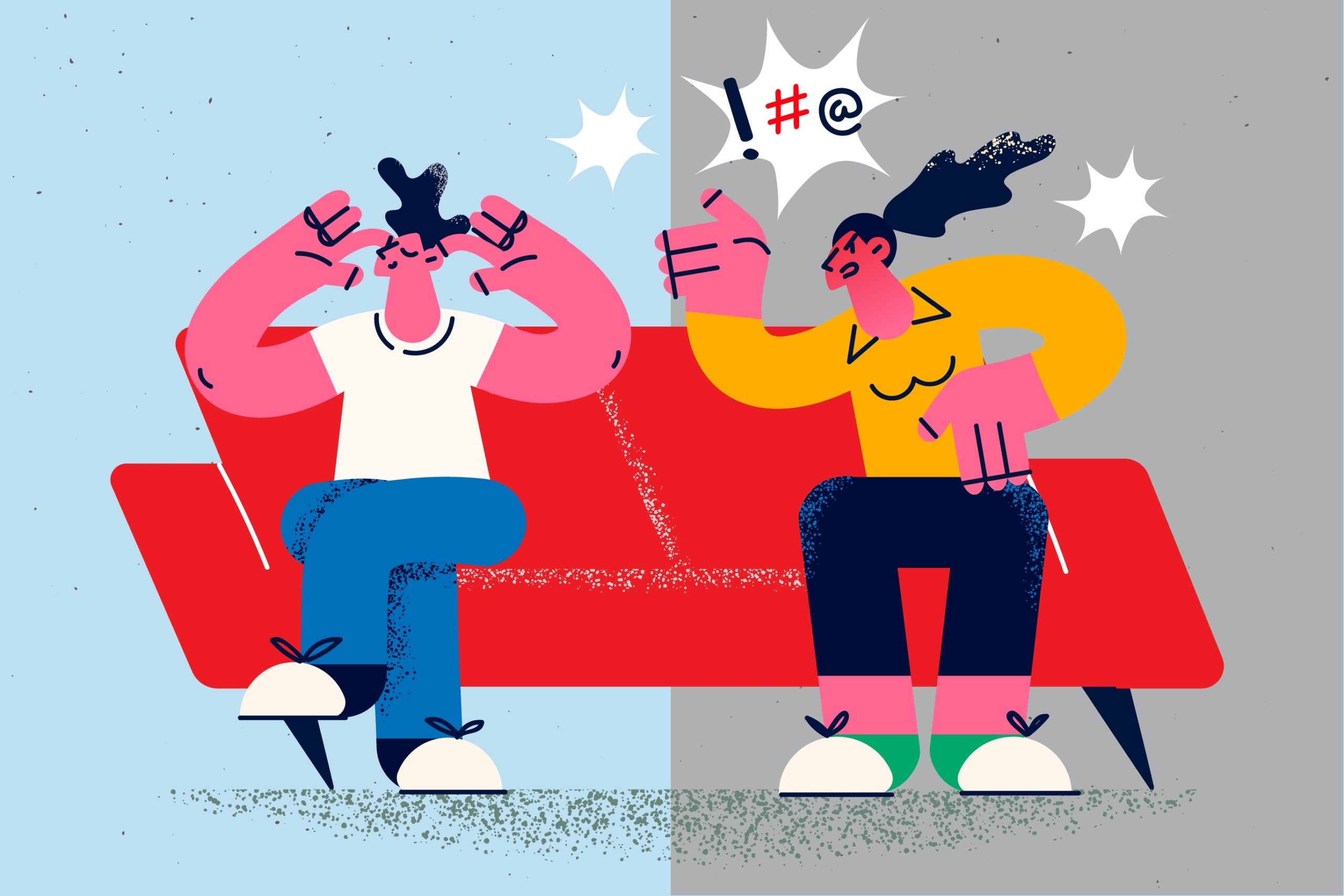


Codependent Relationships Explained

Even before we, as a species, became Sapient, our ancient ancestors learned to rely on one another for survival. Examples of this were found in uncovered remnants of prehistoric societies worldwide.

We have evidence showing that hunter-gatherer communities were organized around the principle of reciprocity, where individuals would share resources and provide mutual aid to each other in order to survive (and thrive) in an unforgiving environment.

This shows that the innate need to be a part of a greater whole is deeply ingrained in the very core of our being and, perhaps even hardwired into our DNA. The desire to belong, to give and receive help, to be able to count on others for our physical, emotional, and psychological well-being is what makes us tick.

In other words, it is our dependence on one another that makes us human. However, there is a major difference between healthy dependence (“interdependence”) and codependency in a relationship.

While the former benefits all parties involved, the latter is detrimental to everyone and the relationship as a whole. As such, it is essential to learn to recognize this behavior and how to overcome it with codependency recovery coaching or assistance from a love coach for dependency before it becomes the the norm..

What Is Codependent Behavior?

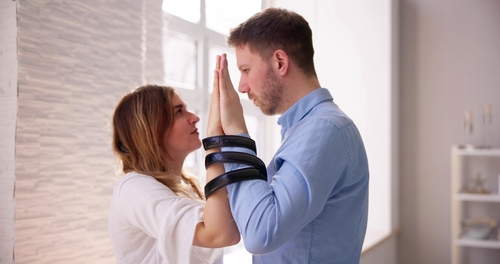
At its core, codependency is a behavioral pattern where one individual (the codependent) becomes overly reliant on another person for approval, validation, and a sense of self-worth. The codependent can manifest this behavior in many different ways, such as:

  • Putting the other person’s (or people’s) needs before their own, even to the point of sacrificing one’s own identity and well-being;
  • Feeling overly responsible for other people’s feelings and behaviors, which can result in attempts to control them in order to avoid conflict or gain their approval;
  • Having a distorted sense of self or defining own identity and self-worth through the relationship;
  • Exhibiting feelings of anxiety or discomfort when alone, and seeking constant companionship and reassurance from others;
  • Tolerating or even enabling unhealthy or abusive behaviors from others to avoid losing their approval or love.

From the above, we can draw a clear line between codependent behavior and interdependence or caregiving:

  • In a healthy (interdependent) relationship, both parties are able to express their needs, wants, and boundaries in order to support one another in mutually beneficial ways. 
  • In a codependent relationship, one person’s needs and wants consistently take precedence over the other person’s, leading to an imbalance of power that can, and often does, result in emotional harm.

What Causes Codependency?

There are many factors that can contribute to codependency forming, most of which stem from underlying emotional issues, such as low self-esteem, fear of abandonment or rejection, and unresolved trauma or attachment issues. Some common causes include:

  • Childhood trauma: Individuals growing up in environments where there’s addiction, abuse, neglect, or other types of unhealthy behavior are more likely to develop codependency as a defense mechanism.
  • Family dynamics: Codependency can also be a learned behavior. If a person grew up in a family where there was a pattern of caretaking, where personal boundaries are undefined or unclear, or where autonomous growth was hindered or discouraged, they may be more likely to replicate those patterns in their own relationships.
  • Personality traits: Low self-esteem, lack of boundaries, fear of abandonment, and similar factors can form a person who has difficulty asserting their own needs and boundaries, which can drive them to seek validation and security through their relationships with others.
  • Cultural and societal messages: Established norms that prioritize self-sacrifice and/or caretaking over the needs and autonomy of the individual greatly influence forming of different thought and behavioral patterns.

It’s crucial to note that, while these are contributing factors, they are not the defining ones. For instance, two persons with similar childhood experiences or personality traits may respond to the above in vastly different and even diametrically opposing ways.

In addition, codependency is not a fixed trait or a mental health condition. As of now, there is no clear consensus on its diagnosis nor evidence that it is caused by a physical or psychological ailment. Rather, it is a pattern of behavior that can be changed through self-awareness practices, as well as with the help of a professional.

What Is Codependency In Romantic Relationships?

Romantic relationships are particularly susceptible to codependent patterns. Due to the emotional intimacy and mutual reliance that often characterizes these unions, it may be difficult to draw a clear line, maintain healthy boundaries, and prioritize one’s own needs. However, sometimes that line becomes diffused or, even, nonexistent.

This is the point when codependent patterns start to emerge, usually in the form of divided roles. One person assumes the role of caretaker (“giver”), while the other becomes the advantage taker (“taker”). From this alone, it is easy to extrapolate how the relationship becomes dysfunctional and how the balance of powers shifts:

  • The giver prioritizes the needs of their partner (emotional and physical) and, in turn, starts neglecting their own, eventually becoming unable to function autonomously;
  • The taker will often continuously exploit the caregiver’s efforts, even to the point of extreme, where their partner will completely lose their sense of self, becoming completely subjugated to the taker’s ever-growing needs.

This endless circle of exploitation and maladaptation is detrimental to both parties involved, as it effectively robs them of opportunities and means to grow as individuals, as well as develop, improve, or even stabilize their relationship.

However, we must not fail to note that not all aspects of codependency are necessarily negative. In fact, a certain degree of emotional interdependence is a natural, healthy, and necessary aspect of a romantic relationship.

After all, being caring and supportive are definitely positive and desirable qualities in a partner. Provided, of course, they aren’t taken to the extreme or for granted. Therefore, the impact of codependency on a relationship depends on the specific context and the mental capacities of the individuals involved.

How To Overcome Codependency?

Seeing how each individual and each relationship is unique, there is no one-size-fits-all solution to this problem. Fortunately, the main takeaway here is that the solution does exist and, if we were to generalize it, it would go like this:

  • Learn to recognize and understand the signs of codependency to be able to identify if it is really what hinders your relationship;
  • Identify the underlying factors that led to this behavioral pattern formation, as it can help you address the issue(s);
  • Establish clear boundaries concerning your own needs, wants, and limits to prevent being taken advantage of;
  • Take care of your own physical, mental, and emotional health, as it will help you build up your self-esteem and sense of self-worth;
  • Learn to express yourself in a clear and assertive manner, while actively listening to your partner, since effective communication is the key to overcoming any relationship problem;
  • Consider ending the relationship, no matter how difficult or painful it might be, as it can be the best choice for your well-being.

Take The First Step Toward Freedom With PIVOT’s Codependency Recovery Coaching

Codependency is a complex issue that can affect anyone, regardless of age, gender, or background, as well as arise in any form of a relationship, be it romantic falling in love with a codependent, familial, or professional. Fortunately, it is an issue that can be addressed with a great deal of success, despite the complexity and difficulty of the task and it only takes a little help.

At PIVOT, we offer a comprehensive codependency recovery coaching program, tailored to your individual needs and goals. Our experienced professionals provide personalized support and guidance that will help you reclaim your independence and give you the tools you need to form healthier relationships.

At our transformative and serene Glass House retreat, you’ll experience a combination of one-on-one sessions and group workshops that will aid you in identifying and overcoming harmful behavioral patterns and cultivating a stronger sense of self-worth and self-care.

Codependency does not have to control or define you. Reach out to us today and take the first step toward freedom and fulfillment!
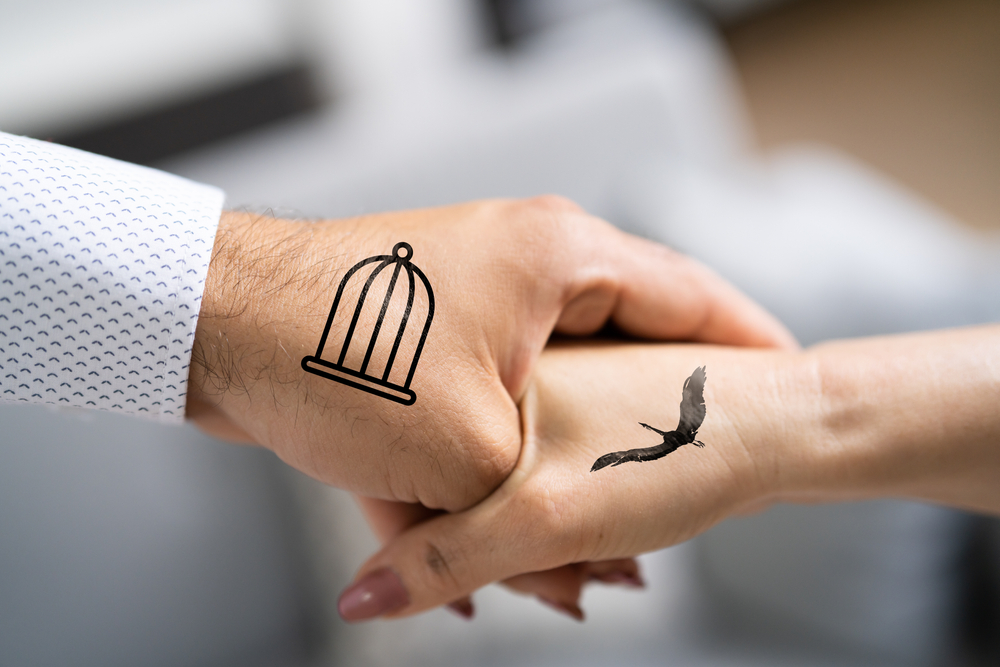

3 Stages Of Codependency

Codependency is a dysfunctional pattern of behavior where one person’s (“Giver”) emotional and physical needs become wholly reliant on those of another person (“Taker”). It typically involves the Giver sacrificing their own well-being, happiness, and identity to cater to the needs of the taker, even to the point of enabling harmful behavior.

This is why codependency is often referred to as “love addiction” or “relationship addiction”. The Giver can develop unhealthy behavioral patterns and the need for external validation, leading to a lack of emotional regulation and a sense of helplessness.

Codependent behavior effectively traps both parties in a vicious cycle of giving and taking, forming a declining spiral that hinders the personal growth of everyone involved, as well as introducing even more elements of dysfunction into the relationship.

Fortunately, there is a silver lining here. Forming codependency is a gradual process. It develops in several stages and that takes time. This means that it is possible to break the cycle of dependency at any point during the process, even if it already became a default operating behavior.

Doing so will often require some degree of professional aid, either through continuous visitations to intensive codependency workshops or staying in one of the retreats near you. However, to discern which option is right for solving your issues of codependency, it is important to recognize the stage you’re currently at. 

What Are The Stages Of Codependency?

What Are The Stages Of Codependency?

While codependency is not an official diagnosis or a fixed trait, it may be difficult to define it as a stand-alone issue. However, viewing it through the lens of addiction, we can see several patterns emerging.

Firstly, codependency is a chronic condition, characterized by enduring and progressive symptoms. This means that, if left unattended, the symptoms will become increasingly worse over time.

Secondly, the severity of the symptoms varies on the continuum, ranging from mild to severe, and may include:

  • Dependency on another person for validation and actualization;
  • Craving the (unhealthy) interaction;
  • Inability to abstain from compulsive behavior;
  • Continuous (unsuccessful) attempts to control the interaction;
  • Giving up joyful activities, such as hobbies or socializing, in order to focus on the unhealthy habit;
  • Maintaining harmful behavioral patterns, despite the problems they create in personal or professional life.

Lastly, recovering from codependency often requires intervention by a professional. Recovery is a gradual process that takes time, but with the help of codependency coaching or treatment by a mental health specialist, it can be overcome with great success.

With the above factors as a baseline and SUD as a parallel, we can define stages of codependency on a spectrum, as follows:

  • Early stage;
  • Middle stage;
  • Late stage.

Similarly to different types of addiction, each stage becomes progressively detrimental to an individual and harder to manage without professional assistance, the longer it is left unattended. 

What Are The Characteristics Of Different Codependency Stages?

What Are The Characteristics Of Different Codependency Stages?

As we already mentioned, codependency is a gradual process. It usually starts with a deep desire to help and care for someone, as well as a genuine dedication to achieving that goal. However, over time and if taken to the extreme, this behavior can become unhealthy and even harmful, which is why it is essential to learn to recognize the characteristics of each stage.

Stage 1: Early Stage

The first stage is also known as the “Caretaker stage” and it is the hardest one to notice, both for the individual and those in their surrounding since it often resembles a harmonious and dedicated relationship.

During this time, the Giver typically exhibits a strong urge to take care of their partner and avoid conflict at all costs, usually at the expense of their own personal physical, mental, and emotional needs. 

They may even feel a sense of pride in their dedication and ability to please their partner, especially considering that they often receive positive feedback and validation from others (including the partner) for their actions.

However, as time goes on, this type of behavior can become increasingly unhealthy and even harmful, as The Giver starts:

  • Neglecting their own needs and desires, leading to feelings of resentment and burnout;
  • Feeling guilty when they prioritize themselves over their partner, out of the sense of obligation to care for the Taker;
  • Having difficulties expressing themselves or setting boundaries for their own benefit;
  • Drifting away from their family and friends, in order to have more time to care for their partner;
  • Exhibiting fear of rejection or abandonment, resulting in even deeper determination to put the other person’s needs before their own.

Ultimately, the combination of the above factors will lead to the Giver experiencing an even lower sense of self-esteem and a greater desire for external validation. Considering how low self-esteem is one of the prime contributors to codependency forming, it is easy to conclude that the person will find it increasingly difficult to escape the clutches of this behavioral pattern. 

Stage 2: Middle Stage

Also known as the “Controller stage”, this phase is characterized by an increased dependence on the partner and a corresponding loss of focus on self-care. During this stage, the Giver’s self-esteem continues to plummet, and they typically begin to cultivate the desire to control and criticize their loved one’s actions and behaviors.

However, this is entirely counterproductive, since the main tools employed here are usually manipulation and inducing guilt. What this does is trap the person in the endless cycle of anxiety and self-guilt instead, ultimately leading to a sense of resentment, disappointment, and anger toward the person they’re trying to please.

At this point, codependency is deeply ingrained in the Giver’s psyche, which often causes them to find a different way to cope with pain and anguish, usually by adopting another compulsive behavior, such as obsessive working or even substance use disorder.

Stage 3: Late Stage

The final phase of codependency is the “Victim stage” or, as some call it, the “Martyr stage”. At this point, the Giver may feel completely trapped in their relationship and powerless to change their situation. They’ve usually almost completely lost touch with their own needs and desires, as well as their sense of identity outside of the one provided by the Taker.

The symptoms that started building during the previous stage become more exacerbated, which may lead to depression, anxiety, and anger issues. In addition to psychological problems, the pent-up stress of being in a dysfunctional relationship without a way out often results in physical issues, such as insomnia, headaches, sciatica, eating disorders, and digestive problems.

Take Control Today With PIVOT’s Intensive Codependency Workshops & Retreats Near You

Whether you’re struggling in a codependent relationship or simply looking to build stronger boundaries and self-care practices, turning to PIVOT’s codependency treatment centers near you will provide you with the guidance and resources you need to create lasting change in your life.

Our intense codependency workshops are designed to help you break free from patterns of self-sacrifice and people-pleasing, and prioritize your own well-being. Led by experienced coaches and held in a serene Glass House retreat setting, our facilities offer a safe and supportive environment for self-discovery and personal growth.

10 Signs of Codependency in Relationships

Human beings have relied on each other for support in all its forms. Whether it’s an emotional, physical, or physiological need, we found it necessary to depend on our fellow humans for its fulfillment. And, we also know that this “arrangement” is a two-way street when approached in a healthy way.

So, what happens when one lane gets shut off? What happens when one person is constantly on the giving and the other on the receiving end? This is what we know today as “codependency”. It is a relatively common issue in relationships of every kind and it can have a significant impact on all the individuals involved.

The problem is, that impact is mostly negative. After all, when one person prioritizes the needs and desires of their partner over their own and at the expense of their own well-being, the whole relationship becomes detrimental to their mental and emotional health, as well as the health of the relationship itself.

Codependency can lead to a range of negative outcomes, including anxiety, depression, low self-esteem, and the feeling of powerlessness for the Giver, while effectively robbing both the Giver and the Taker of personal growth opportunities, often making a relationship dysfunctional and, even worse, a toxic one for all parties involved.

For these reasons, it is crucial to learn to recognize the signs of codependency, either on your own or at a professional workshop or retreat, as well as traits that may lead to it forming. By doing this, individuals can seek the help they need to break free from these unhealthy behavioral patterns, as well as other codependency and control issues, and develop healthier relationship dynamics, which will ultimately lead to a union that is only beneficial for both individuals.

What Are The Signs Of A Codependent Relationship?

What Are The Signs Of A Codependent Relationship?

There are many signs that might indicate that the relationship is codependent and, as such, require addressing either in the form of a workshop or retreat visitations, or codependency support groups near you. However, the operating word here is “might”. 

Since this behavioral disorder is a relatively recent addition to modern psychology, its extent isn’t completely crystallized. Rather, it is often viewed in combination with other factors, such as personality traits, past experiences, childhood traumas, etc.

Additionally, it is important to recognize that noticing one or more of these signs doesn’t necessarily mean that the relationship is doomed. It only indicates that there are some issues that need addressing sooner rather than later in order to establish a good balance that will eventually lead to healthy dynamics. 

Self-Sacrifice

This behavior is the hallmark of a codependent relationship. It is characterized by one person (the Giver) constantly sacrificing their own needs to please their partner, even at the expense of their own physical, mental, and emotional well-being.

In the advanced stages of codependency, they will begin sacrificing their personal values and beliefs to maintain the relationship, which ultimately leads to a loss of identity and an overwhelming feeling of being lost.

As time progresses, the Giver can feel like they’re stuck in a never-ending cycle of giving, without receiving anything in return. This constant feeling that their own needs aren’t being met or don’t matter at all, can eventually lead to exhaustion and resentment toward their partner.

Lack Of Personal Boundaries

In this instance, lack of boundaries refers to an overly heightened sense of responsibility for a partner’s emotions and actions. If a person views their own achievement solely through a prism of their partner’s happiness and success, they can begin experiencing a lack of individuality and independence, as well as lower self-esteem.

Codependents can have a constant need for approval from their partner, seeking validation and reassurance that they are loved and accepted. Given time, this need can become all-consuming and lead to an ever-increasing dependence on their partner.

Excessive Care-Taking And Rescuing

One person in the relationship has a tendency to excessively care for and rescue their partner, taking on an undue amount of responsibility for their partner’s overall well-being. This behavior can lead to a sense of obligation and dependence, where the other person feels like they can’t function without their partner’s constant support.

Enabling Behaviors

As a direct result of rescuing, one person can enable the other’s destructive behaviors, such as substance abuse or unhealthy coping mechanisms. This can further exacerbate the codependent dynamic, making it difficult for the codependent individual to break free to make room for change.

Self-Blame

Codependent individuals can have a tendency to take on responsibility for the other person’s problems, actions, or behaviors, even without any justifiable reason. This can lead to feelings of guilt and shame, further perpetuating the unhealthy relationship dynamic.

Difficulty Expressing

In a codependent relationship, one person may struggle to express their emotions or assert their needs. This behavior can lead to a lack of communication and understanding, as the other person might not be aware of their partner’s needs and desires, which the Giver can interpret like they’re being taken advantage of.

Fear Of Abandonment Or Rejection

Fear of abandonment or rejection is a common contributor to codependency forming, as it can drive individuals to cling to each other and avoid conflict. However, this can also lead to a lack of healthy communication and boundary-setting, as the individuals can feel like they have to constantly please their partner to avoid being abandoned. Fear can also make it difficult for the codependents to leave a relationship, even if it is no longer healthy or fulfilling and even if it is causing them harm.

Control Issues And Manipulation

Tying into the previous point, the same fear can trigger a strong need to control every aspect of the relationship. This can manifest in various ways, such as one person trying to micromanage the other person’s life or making all the decisions for the couple.

The tactics used here as means to an end are often guilt-tripping or other forms of psychological manipulation, which can further exacerbate the sense of powerlessness and lack of autonomy in a person on the receiving end.

Emotional Volatility

Codependent relationships are often marked by one person’s feelings dictating the mood of the entire relationship. These intense emotional highs and lows can lead to a sense of instability and unpredictability, making it difficult for individuals to establish healthy relationship dynamics.

Lack Of Trust

Eventually, all of the above factors can completely deteriorate the trust between partners, with one or both individuals struggling to believe (in) their other half. This can often lead to jealousy and possessiveness, as individuals can feel the constant need to monitor their partner’s actions and interactions with others.

What Is A Codependent Person Like?

What Is A Codependent Person Like?

A codependent person is often characterized by a set of traits and/or behaviors that contribute to the development of extreme dependency in a relationship. These traits include (but aren’t limited to):

  • Low self-esteem: Feeling unworthy or undeserving of love and attention can lead a person to seek validation and approval from their partner.
  • People-pleasing: Doing whatever it takes to make their partner happy and avoid conflict can lead to diffusing or complete loss of personal boundaries and an inability to assert one’s needs.
  • Over-responsibility: Holding oneself accountable for the partner’s well-being may cause a person to take more responsibilities than is reasonable or necessary, leading to an inability to fulfill one’s own needs.
  • Non-confrontational: Fearing that any conflict or disagreement will lead to the end of the relationship, can make it difficult for a person to express their feelings and assert their needs.
  • Distrustful: Past experiences of betrayal or abandonment can often cause the codependent person to struggle to trust their partner or anyone else.
  • Emotionally volatile: Intense emotional reactions to their partner’s behavior can leave a person feeling overwhelmed or even consumed by their own emotions.
  • Perfectionist: Striving for flawlessness in their relationship and their own behavior can lead to feelings of inadequacy and a persistent sense of failure.
  • Validation-seeking: Depending on their partner or others for the sense of self-worth can leave a person feeling that they are only valuable if they are needed by someone else.
  • Indecisive: Relying on their partner or others to make choices for them often contributes to a loss of personal identity.
  • Martyr complex: Sacrifice their own needs, dreams, and desires to please their partner often leads to a loss of personal identity and an unhealthy dependence on the other person.

It’s absolutely imperative to note that codependency resulting from or exacerbated by the above traits is by no means a matter of weakness or lack of willpower. It is a complex behavior that often develops as a coping mechanism in response to past trauma, societal pressures, or deep-seated insecurities.

As such, this issue must be approached with empathy and understanding above all, preferably with the help and guidance of a professional in a dedicated codependency retreat or workshop as, despite the complexity, this behavior can be effectively managed and even rooted out completely.

Choose PIVOT’s Codependency Workshops & Retreat For Future Freedom

Noticing any of the above signs in yourself, your partner, or your relationship as a whole is a great start! It means that you are willing to admit that you need help and start searching for codependency support groups near you. And the best thing about it is that you don’t have to do it alone!

Experienced relationship coaches at PIVOT are here to help you on your journey toward healing and self-discovery. Join one of our codependency workshops, held in a beautiful and peaceful Glass House retreat, and gain the tools and knowledge you need to build a healthier relationship.

Commitment Issues & Impact on Relationships

Commitment issues are one of those behavior patterns that can make relationships exceedingly difficult. They can make us wonder if we’re even in a relationship or if it is only wishful thinking.

Signs of commitment issues can be mistaken for other types of problems, so the committed partner might frequently wonder if they did something wrong and become self-conscious about their own behavior. However, as a sense of instability and uncertainty persists, it becomes evident after a while that one of the partners can’t commit.

The term commitment issues, particularly in romantic relationships, refers to a pattern of behavior in which one partner has difficulty forming or maintaining long-term relationships. It can manifest in various ways for different people; for some, it’s feeling anxious or suffocated by the idea of commitment, and for others, tending to end relationships as soon as they start feeling serious. They frequently sabotage or avoid relationships, sometimes without consciously realizing what they’re doing. They might not even see any problems with their behavior or be aware of what commitment issues are.

The impact that these issues can have on relationships is significant. They can lead to a lack of trust and the person with the commitment issues being seen by their partner as unreliable or unpredictable. If the problem is left unidentified and unaddressed, it can lead to the breakdown of the relationship. The matter of how to deal with someone with commitment issues is tricky, particularly since it might seem like you’re trying to force your partner into a relationship they don’t want to be in.

Can You Have A Relationship With Someone Who Has Commitment Issues?

Depending on the circumstances, the answer to this question can be both yes and no. Sometimes it’s a case of “he’s just not that into you,” and sometimes, your partner’s commitment issues might stem from various underlying causes, like past relationship trauma, fear of vulnerability and intimacy, or the need for independence. Some of these causes require digging into, so they can be accurately identified and addressed to help the person with the issues cope with their fears in a healthier way.

If a person does want a committed relationship, but the fear of commitment is preventing them from maintaining one, there are ways to practice changing this behavior pattern. For example, professional help might be necessary in cases where distressing childhood experiences like neglect and abandonment caused the fear of commitment as a defense mechanism protecting them from the possibility of experiencing the same type of feelings. In addition, people who grew up with a lack of attention and care from their parents or caregivers might have grown accustomed to being independent and caring for all their needs on their own.

Sometimes a fresh perspective on things can change the established thought patterns and make the person with commitment issues feel and behave differently. Depending on the severity of the factors underpinning the problem, the process might require time, patience, and frequently, a giant leap of faith. However, the crucial thing to determine is whether the person perceived to have commitment issues simply prefers short-term relationships and has no desire to commit to anyone romantically. In such cases, moving on is usually the best option.

What Can Commitment Issues Lead To

What Can Commitment Issues Lead To?

Aside from causing problems in romantic relationships, commitment issues can also cause difficulties in other areas of life. The mental distress they cause can be felt even in most circumstances that demand dedication and commitment to long-term goals. They might make those commitments willingly, but the emotional and mental health issues they might face can be quite severe and lead to anxiety and other stress-related disorders.

The environments and situations that can bring up one’s fear of commitment are not limited to romantic relationships. They can lead to problems in the:

  • Professional environment. A person with commitment issues might reject or avoid long-term projects, negatively impacting their performance, effectiveness, and ability to keep a job.
  • School. Higher levels of education, in particular, require committing to long-term goals and assignments and investing time and effort into plans that take years to achieve. As a result, a person with commitment issues might be discouraged from pursuing their education or career goals.
  • Interpersonal relationships. Commitment issues can seriously affect relationships with most people in one’s life. For example, a person might lose close friends, have strained relationships with family members, and have complicated relationships with their partner and children.

How Do You Make A Relationship Work With Commitment Issues?

The first thing to remember is that working through commitment issues can require a lot of time and effort from both partners. Arm yourself with patience, and don’t hesitate to seek expert help if you suspect that the underlying causes might require addressing suppressed emotions from early childhood or other highly stressful life events or circumstances. The process can be challenging, but it’s certainly not impossible. After getting accurate information about what commitment issues are, do your best to:

  • Be patient. Whether it’s you or your partner that are struggling with commitment issues, remember that changing behavior patterns takes time. Just because you managed to identify the problems doesn’t mean that they will disappear overnight. It takes practice and patience.
  • Communicate. Open and honest communication between partners can help understand each other’s needs, concerns, and fears.
  • Build trust. This is a crucial component of any relationship. Consistent and reliable behavior and honesty are the goals to aspire to.
  • Focus on the present. Avoid putting too much pressure on the process by focusing on the future. Instead, try to enjoy the present and take it one day at a time. This can help reduce anxiety and stress.
  • Set boundaries. Establishing clear boundaries and expectations from the relationship helps both partners know what to expect.
  • Seek expert help. Both partners can benefit from expert guidance and support from an objective party. It can help if you get stuck along the way or succumb to wrong assumptions and unrealistic expectations.
How Do You Make A Relationship Work With Commitment Issues

PIVOT Is Here To Help You Deal With Commitment Issues And Achieve A Lasting Relationship

If both partners agree that the long-term relationship is what they want, working on resolving the causes of commitment issues might be easier with the guidance of an experienced relationship advocate. Individual sessions can help both partners determine their goals and expectations and work through the steps of establishing trust and connection that will make a lasting relationship possible.Escaping the stress of everyday life for a few days can help you focus on your life and relationship goals. Glass House retreats can offer the peace you need while attending small group workshops guided by PIVOT coaches. They can help you gain a new perspective and hear the experiences of other people going through similar issues. You can learn how to deal with someone with commitment issues or resolve your own and finally achieve the stability of a healthy relationship.

Emotional Detachment & Communication in Relationships

Emotional detachment is a symptom of deeper unresolved emotional and psychological issues. It goes beyond the inability to be present in the moment and the mindfulness that many self-help books and articles discuss. 

Emotional detachment makes our lives difficult. It affects our relationships with people. And it can have a particularly damaging effect on our romantic relationships and marriage. The causes of marital problems are often difficult to pinpoint, and most people have a hard time accepting that the problem might be them. It’s easier to place the blame on the other person. However, even if the problem is you, it doesn’t mean it’s your fault. Some things we have no control over, and quite often, we’re not even aware of them.

If you frequently experience communication issues or can’t even identify what you’re feeling to be able to express it to your partner, it might be helpful to look into how to fix emotional detachment in a marriage. There are ways to get to the bottom of this pattern of behavior that’s keeping you from having a healthy and happy relationship with your partner. It will take time, patience, and hard work, like most everything that matters in life.

Can A Relationship Survive Emotional Detachment?

Emotional detachment might seem like an impossible obstacle to overcome. The fact that the detached partner doesn’t show emotions or interest or share their thoughts and needs can easily be construed as a lack of love. The sense of distance and disconnection can grow over time, making it seem like there’s no way to overcome it. After all, a solid emotional bond is what draws people to one another and keeps them together.

Whether or not your relationship can survive emotional detachment depends on various factors, but the most important one is whether you want it to. It’s possible to adapt to the particularities of an emotionally detached partner and work on self-improvement and resolve the issues that prevent you from having a fulfilling relationship. If both partners are willing to put in the effort to overcome the obstacles and build a relationship that meets their needs, this goal is achievable in most cases. However, it does require dedication and time.

What Causes Emotional Detachment In Relationships

What Causes Emotional Detachment In Relationships?

A variety of factors can cause emotional detachment in a romantic relationship. For example, one or both partners might have unresolved emotional issues that prevent them from having a harmonious relationship. Since emotional detachment is a defense mechanism, it’s essential to consider the factors and events that lead to the need to create such behavioral patterns. In other cases, emotional detachment can be a temporary state rather than a permanent trait.

Some people find it challenging to connect to others in general, including their closest friends and family, even their children and romantic partners. If you’re in a relationship that lacks intimacy and connection due to your or your partner’s emotional detachment, it’s essential to understand the underlying causes and possible reasons behind it. The most common factors that can cause emotional detachment in relationships include:

  • Trauma. Experiencing abuse or neglect in early childhood can make forming emotional connections extremely challenging. Traumatic events in adulthood can have the same effect.
  • Fear of intimacy. Being vulnerable opens people to being hurt, and the fear of such an outcome can make them avoid emotional intimacy to protect themselves.
  • Lack of communication. Frequent verbal conflicts or complete communication breakdowns that go unresolved can make partners distance themselves from one another.
  • Significant life changes. Emotionally intense events that cause a difference in your routine can lead to detachment. Some common examples are the birth of a child, career change, financial crisis, or relocation.
  • Mental health issues. Conditions like depression, anxiety, or stress-related disorders can make someone withdraw emotionally from most people, including their partner.
  • Incompatibility. In some cases, partners are emotionally incompatible, and the feeling of detachment reflects that.

How Do You Communicate With Someone Who Is Emotionally Detached?

If you’re in a relationship with an emotionally detached partner, you might feel like you’re making all the wrong moves. Try to remember that their behavior is frequently not a reaction to something you do or don’t do. They’re dealing with emotions that, in most cases, stem from events that happened long before you met, frequently in early childhood. There are also cases of people becoming emotionally detached as adults after particularly stressful life events that they haven’t been able to work through.

Whatever the case, the best way to deal with emotional detachment in relationships is if each partner does their best to identify and address their own issues while expressing love and supporting the other. This can require a lot of patience and self-control, and you’ll most likely need to constantly remind yourself that healthy relationships are built on trust, without placing blame or succumbing to overly defensive behavior patterns.  

If you’re wondering how to fix emotional detachment in a marriage, you can help your partner by:

  • Accepting that they deal with their emotions differently. People are different by nature, so their communication style and the way they show love and affection might differ significantly from yours.
  • Not forcing them into intimacy and connection if they don’t feel ready. If your partner is detached due to trauma or other stressful events, this might scare them even further away from you and the present moment.
  • Avoid blaming them for everything that’s wrong with your relationship. Criticism can make them feel vulnerable and trigger all the distressing emotions that caused their detachment in the first place.
  • Giving them the space to deal with their issues at their own pace and in a way that doesn’t make them scared or uncomfortable.
  • Focusing on your own growth. If you devote your attention to what you can accomplish on your own, your partner might feel less pressured to respond to your needs and expectations.
How Do You Communicate With Someone Who Is Emotionally Detached

Rely on PIVOT To Overcome Emotional Detachment In A Relationship And Improve Communication

Building emotional intimacy with a detached partner is a challenging task that frequently requires some outside help and guidance. Whether it’s you or your partner whose emotional detachment prevents you from having the kind of relationship that makes you feel safe, loved, and understood, it all begins with self-improvement. PIVOT’s relationship coaches are available for individual sessions to help you manage your or your partner’s detachment.Since communication is one of the building blocks of a healthy relationship, you might benefit from practicing these skills in a small group workshop of Glass House retreats. You can escape the stress of your everyday life for a few days and allow the experienced coaches to gradually guide you to self-realization and self-improvement. Then, after identifying and addressing the causes of emotional detachment, you can adopt healthier behavior and communication patterns and finally have the relationship you deserve.

Emotional Detachment & Childhood Trauma: Is There a Connection?

Emotional detachment is a tricky issue, as it can have beneficial effects or present a serious challenge in your emotional life and relationships with other people. The useful role of emotional detachment can, for example, help health workers do their jobs calmly and with the focus that would be impossible if they were overwhelmed by emotions. Aside from being beneficial for others, it also serves a self-protective function by allowing them to distance themselves from traumatic experiences, which is significant for maintaining their well-being.

As this example shows, emotional detachment stems from the need to protect oneself from negative emotions or experiences. Childhood trauma is undoubtedly one such experience, particularly in the case of childhood abuse or neglect. The variety of events that can cause traumatic experiences in childhood is quite wide. They can lead to different outcomes as the child grows into an adult with unresolved feelings. 

One of the severe outcomes is emotional detachment disorder, which can be treated in different ways. It can be a generalized pattern of behavior or a singled-out occurrence as a result of a specific situation. In case of a chronic occurrence, the matter of how to fix emotional detachment becomes something that might need to be explored more thoroughly.

Is Emotional Detachment A Trauma Response?

It’s possible and quite common for emotional detachment to develop as a response to childhood neglect, abuse, or any other type of trauma. It serves the purpose of protecting oneself from intense and overwhelming emotions children aren’t equipped to deal with. A mixture of fear, shame, secretiveness, and the desire to please the abuser and deserve their love and approval can be impossibly confusing for a child.

Children find ways to disconnect from overwhelming emotions, even in cases of other types of traumatic experiences, when there’s no abuse involved. Over time, this pattern of suppressing emotions develops into a chronic coping strategy that develops as the child grows up into an adult. Now they face other types of experiences that trigger those or similar emotions. Still, their coping strategy has solidified over time and persists through adulthood, complicating their relationship with people and themselves.

Signs of emotional detachment in adults usually include:

  • Problems maintaining healthy relationships.
  • Having difficulty being honest and open about your feelings.
  • Not being a “good listener.”
  • Avoiding or craving any type of intimate contact: verbal, physical, or sexual.
  • Having low self-esteem
  • Being ambivalent about relationships with people and important life decisions.
  • Substance abuse as a way to escape reality.
Is Emotional Detachment A Form Of Dissociation

Is Emotional Detachment A Form Of Dissociation?

Even though emotional detachment and dissociation have similar manifestations and are in some ways related, these are two distinct concepts. Dissociation refers to a disconnection between one’s thoughts and emotions and the outside world they’re experiencing. For some people, these disconnections can be mild and temporary and could be compared to daydreaming. However, in more severe cases, they can be long-lasting and, if not addressed, lead to dissociative identity disorder that requires professional help.

Dissociation can be triggered by highly stressful events and traumas, resulting in detachment from oneself or reality. Emotional detachment, similarly, is an attempt to avoid or suppress certain emotions. However, while emotional detachment is usually viewed as a coping mechanism, dissociation is a more severe symptom of trauma or other stress-related disorders. Another difference is that emotional detachment generally involves awareness of one’s emotions, while dissociation is unconscious disconnection from the sense of self, environment, and reality.

Emotional detachment can also be a symptom of certain mental health conditions, most commonly:

  • Post-traumatic stress disorder (PTSD).
  • Depression.
  • Personality disorders.

Do Childhood Traumas Affect The Development Of Reaction Formation?

Reaction formation is a defense mechanism that involves behaving in a way opposite to one’s true feelings or impulses, and it’s often used as a coping mechanism to deal with conflicting emotions. It occurs when a person feels a strong urge to act in a certain way but then behaves opposite to their unconscious desires. Reaction formation is presumed to appear as a way of dealing with conflicting emotions and reducing anxiety. By acting in a way that’s opposite to their true desires, individuals avoid the discomfort of confronting their true feelings and thoughts.

The connection between childhood trauma and reaction formation certainly exists. However, childhood trauma can have many different forms and levels of severity. It can include severe physical, sexual, and emotional abuse or witnessing violence or trauma. Neglect and abandonment can also cause prolonged traumatic experiences for young children. Depending on the type, severity, duration, or frequency of exposure to trauma, a child can respond in different ways and form other coping mechanisms.

Children lack the ability to manage intense emotions like fear, helplessness, or anger that generally emerge when they experience any type of trauma. One of the ways they can get through these emotions is by developing reaction formation. A typical example of reaction formation due to childhood trauma would be behaving coldly and distantly in interpersonal relationships because of feelings of shame and vulnerability stemming from unfulfilled needs for love and attention. This is how childhood neglect can directly influence the development of reaction formation.

An opposite example would be the case of childhood abuse. A child might feel the desire for revenge or retaliation stifled by fear or powerlessness. To cope with these conflicting emotions, a reaction formation of excessive obedience toward the abuser can be formed. Although this type of behavior goes against their true desires, it becomes a coping mechanism to deal with difficult emotions and suppress them.

Do Childhood Traumas Affect The Development Of Reaction Formation

Cope With Emotional Detachment Disorder And Regain A Sense Of Well-Being With PIVOT

Emotional detachment might affect your ability to maintain healthy relationships or cause issues in other aspects of your life. Unfortunately, this means that it doesn’t serve its protective or beneficial role. If you’ve been preoccupied with how to fix emotional detachment, you might benefit from the expert guidance of relationship advocates who can help you identify emotions that are causing you to withdraw from your feelings and miss out on all the good ones by trying to avoid the bad.Emotional detachment is a self-isolation issue, so confronting it in a group setting can be productive. Glass House retreats’ safe and pleasant environment can provide the perfect opportunity to experience togetherness with other five people who want to have healthier relationships. Our retreats are small to give everyone a change to be seen, heard, and helped. Experienced PIVOT coaches guide these workshops to ensure you feel safe every step of the way. They can teach you how to keep yourself grounded in reality. Applying these skills to your relationships and life in general can help you address and satisfy your needs and achieve a sense of well-being.

Emotional Effects of Stonewalling

Conflicts in their many forms have been and will be an integral part of human experience. From night-time stories to history books to current events, our existence is littered with major disputes and minor disagreements, petty squabbles and serious differences of opinion. 

Therefore, it is only natural for conflict to be a part of relationships, too. And, it is. In fact, it is an integral and necessary part, as every successfully resolved dispute makes a relationship stronger, more stable, and ultimately worth fighting for. This last bit is of paramount importance, as it is what drives us to continuously look for ways to make our relationships better.

However, an old idiom states that “it takes two to tango” which means that both individuals involved in a situation (i.e. conflict) are equally responsible for its outcome. The question here is what stonewalling does to your partner if one side doesn’t want to “tango” and, instead of actively looking for a solution to the problem, shuts down completely? This is stonewalling.

What Does Stonewalling Mean?

Stonewalling is a communication tactic where one person (“stonewaller”) completely withdraws from a situation or a conversation, creating a metaphorical “stone wall” between them and the person trying to communicate. This type of behavior isn’t exclusive to romantic partnerships alone. Rather, it can occur in friendships, as well as professional and parent-child relationships, too.

While it may seem like a simple coping mechanism, aimed at avoiding conflict and difficult feelings, stonewalling can have severe emotional consequences for the recipient, leading to the question of if stonewalling is gaslighting. Over time, it can erode mutual trust and destroy the emotional bond that holds the relationship together.

Finally, it is important to note that stonewalling can be a form of emotional abuse if it is employed consciously to manipulate, belittle, or humiliate the recipient. For this reason, and the fact that stonewalling is detrimental to everyone involved, it is important to understand its implications, as well as to seek support and help, preferably from a professional relationship coach or counselor, or trusted friends and family members.

What Are The Negative Effects Of Stonewalling In A Relationship?

Without exaggeration, we can say that the emotional consequences of stonewalling can be devastating, both for the recipient and the relationship as a whole. It can make the person on the receiving end feel like their thoughts and feelings simply don’t matter. Like the effort and dedication they put in to connect with their partner and better the relationship is worth nothing.

Needless to say, this type of treatment can leave a person feeling lonely, rejected, and invalidated. Over time, these feelings can lead to a full breakdown of trust and emotional intimacy which, in turn, can cause feelings of resentment and disconnection toward the stonewaller.

Additionally, when one person withdraws from a conversation, it does nothing to help resolve the issue. Instead, it leaves the other feeling frustrated and unheard, which only causes increased tension and leads to more arguments, therefore escalating the conflict.

This causes communication breakdowns where both individuals struggle to effectively express themselves, their needs, and their emotions, yet aren’t able to find any common ground. Ultimately, pent-up anger and frustration may lead to dissatisfaction with the relationship which can (and often does) end up in a breakup, especially if the issue is left unattended.

What Are The Negative Effects Of Stonewalling In A Relationship

Is Stonewalling A Part Of Gaslighting?

Gaslighting is a form of emotional abuse where one person (“gaslighter”) psychologically manipulates the other person to make them doubt their own sanity. It is a different communication tactic than stonewalling, but both can have catastrophic repercussions for the recipient and the relationship.

While essentially different, stonewalling can be a part of gaslighting, as a way for a gaslighter to avoid accountability, further confuse the other person, and make future manipulation attempts easier.

When employed regularly, this tactic can leave the recipient feeling confused, doubting their own memories and perceptions, ultimately leading to the loss of trust in oneself and the relationship as a whole.

It is crucial to note that gaslighting can leave devastating lasting consequences to the recipient, including persistent self-doubt and crippled self-esteem, as well as cause mental health disorders such as anxiety, depression, and PTSD (post-traumatic stress disorder).

What Are The Emotional Effects Of Stonewalling?

The emotional effects of stonewalling can be profound and long-lasting, affecting different types of relationships in various ways:

  • In romantic relationships, stonewalling can cause feelings of isolation and disconnection. It can erode the trust and emotional bond between partners, creating a sense of emotional distance and dissatisfaction, which can ultimately lead to a breakup.
  • In parent-child relationships, stonewalling can create a sense of confusion and insecurity in the child. They may feel unheard, invalidated, unloved, and even insignificant. This can leave lasting emotional scars on the child’s psyche, which can make it difficult for them to form healthy relationships in the future.
  • In friendships, stonewalling can create a sense of rejection and hurt, leaving the other person feeling excluded and unimportant. It can also trigger past traumas and emotional wounds, leading to further distress and emotional pain.
  • In professional relationships, stonewalling can lead to communication breakdowns, misunderstandings, and a lack of trust among colleagues, which can create a toxic work environment that cripples productivity and morale. Additionally, it can also prevent the resolution of conflicts and hinder problem-solving, leading to negative impacts on job performance and career advancement opportunities.

It is crucial to note that stonewalling can leave lasting consequences to the recipient’s mental health, including persistent self-doubt and low self-esteem. In addition, it can exacerbate existing mental health conditions and, in some cases, cause the formation of various psychological disorders such as anxiety, depression, and PTSD (post-traumatic stress disorder).

Is Stonewalling A Part Of Gaslighting

Choose PIVOT As A Way Toward Healthier Communication And Happier Relationships

While highly toxic, stonewalling is still a behavioral issue that can be successfully addressed and, in a lot of cases, rooted out entirely. Whether it is you or someone you know who is experiencing this problem in their relationships, struggles with commitment issues, or various detrimental coping strategies, know that help is close and all you need to do is reach out to PIVOT.  And, keep in mind that people who are typically demonstrating this behaviors, don’t even know it – they just don’t know how to manage and tolerate their own feelings.  Our couples intensives are so helpful to show individuals WHY they do what they do and give them tools to change this.  

Our Glass House retreat provides a peaceful and soothing setting, allowing you to forget about the stressors in your life and focus solely on your personal and relationship goals. In addition, we offer one-on-one counseling, group counseling, and a variety of workshops.

Conducted by skilled and experienced coaches, each of our programs can help you identify and address harmful patterns of communication. We’ll work with you every step of the way and assist you in acquiring skills and tools essential for achieving your goal of healthy and fulfilled relationships. Reach out to us today!