Trust
9 Characteristics of Toxic Enabling Behavior
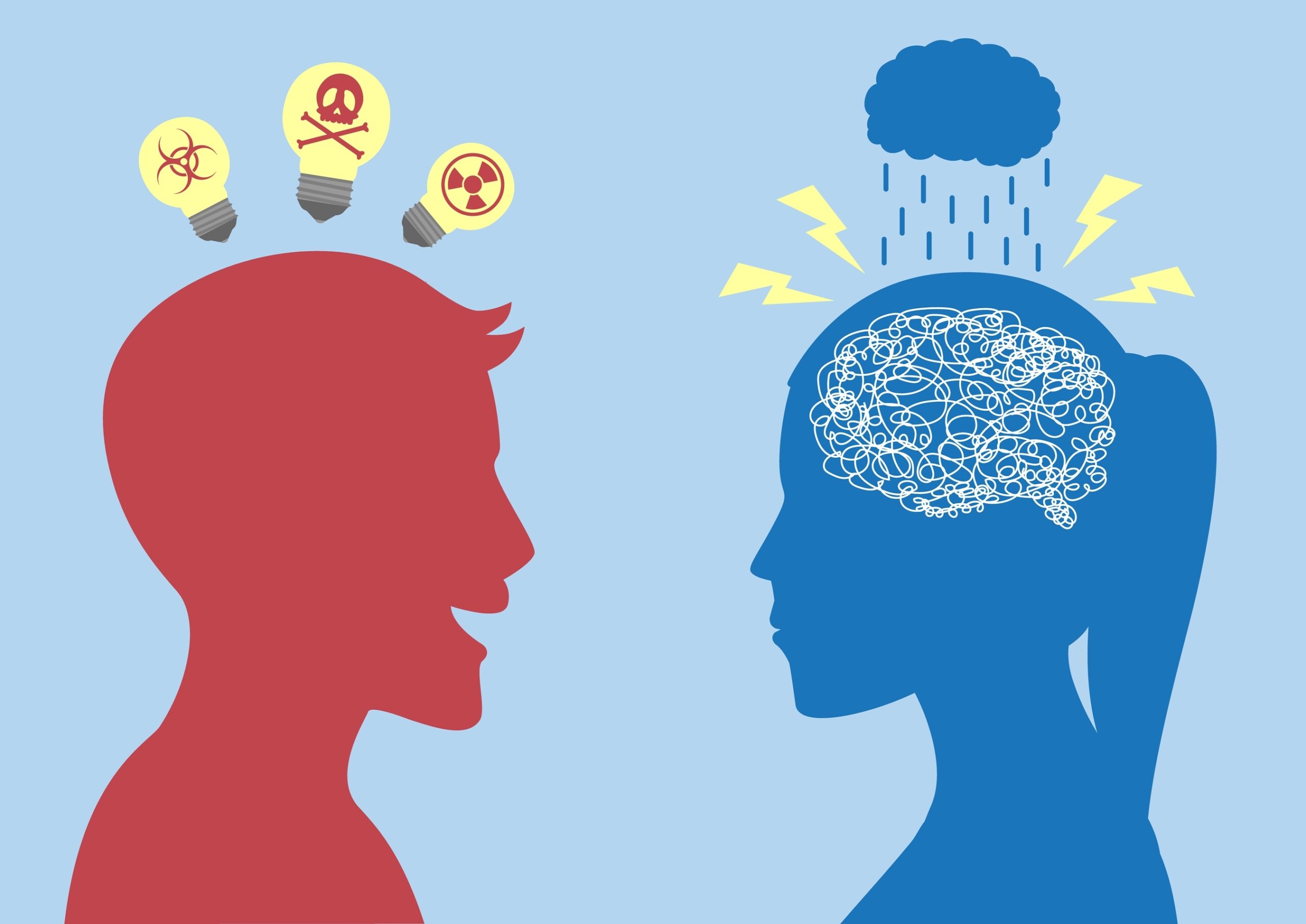
A toxic enabler is someone who actively or passively supports another person’s destructive behavior, usually by justifying it, making excuses, and shielding that person from the consequences. Enablers are often unaware of the pattern, since their actions tend to come from love, fear, or a misplaced sense of responsibility. Toxic enabling keeps the behavior alive and stalls growth for both people.
If we were to explore the meaning of “enabler” or “enabling” from a purely semantic perspective, we can see that it means “to make it possible for someone to do something”. Modern psychology narrows this definition down even further as “making it (directly or indirectly) possible for someone to continue engaging in an unhealthy behavior”.
Initially, enabling was closely related to the families of individuals suffering from some form of Substance Use Disorder (SUD), such as drug or alcohol addiction. Within these circles, there’s a noticeable pattern, where family members (or other individuals close to the addicted person) try to justify, excuse, or even blatantly deny and ignore the existence of harmful behavior.
However, in recent years, it has become apparent that being an enabler is not exclusive to cases of SUD. Rather, it is applicable to interpersonal relationships as a whole, whether they be professional, academic, or romantic.

What Is Toxic Enabling?
In modern times, “toxic enabling” refers to behaviors or patterns that directly or indirectly perpetuate and sustain unhealthy actions within a relationship. It typically occurs when one person (“enabler”) actively or passively supports or, even, facilitates the destructive actions of another person (“enabled” or “toxic” individual).
As such, to enable someone means to proverbially add rocket fuel to their campfire, allowing destructive behavior to persist and flourish. At the same time, it stunts the personal growth of both individuals, trapping them in a vicious cycle of dysfunction and codependency, making it difficult to even ask for help, let alone set on the path to recovery.
What Is An Enabler In A Toxic Relationship?
In this context, an enabler is any person who takes on a supportive or protective role toward a toxic individual. This can be a friend, family member, romantic partner, or any other person from an enabled individual’s vicinity.
Being an enabler, an individual will often go to great lengths to justify the toxic person’s behavior, make excuses for their actions, and shield them from the consequences of their own decisions. However, in doing so, they’re inadvertently reinforcing the negative patterns that need changing.
One thing must be noted here. Enablers may not be aware of their enabling behavior. Their actions are seldom thought out and hardly ever malicious. Rather, they stem from strong emotions, such as love, fear, or a genuine desire to help and empower, but may also be a result of a (misplaced) sense of responsibility.
Unfortunately, when it comes to the enabled individual, the situation can turn into the complete polar opposite. A toxic person may (and often, does) turn their partner’s caretaking tendencies into a tool of manipulation, driving the enabler to even further commit to their misbegotten goal.
This can have profound and lasting negative effects on the enabling individual. As such, it is imperative to learn to recognize the signs and patterns that typically accompany the role of enabler in a relationship.
What Are The Signs Of Toxic Enabling?
Six signs stand out: rationalization, self-sacrifice, self-neglect, conflict avoidance, caretaking, and perpetuating dependency. As a pattern, they leave the relationship stagnant, the enabler’s personal growth stunted, and both people in perpetual turmoil. The cues are subtle, so they are easiest to spot once they are named.
Identifying enabling patterns is not easy, especially if you’re the one being the enabler. The cues of this behavior are subtle and not immediately apparent. However, if you know exactly what you’re looking for, they become more than obvious. Here’s what you need pay attention to:
- Rationalization: As we’ve mentioned, enablers will often try to justify, downplay, or make excuses for their partner’s harmful behavior, sometimes even blaming their actions on external factors;
- Self-sacrifice: Putting a partner's needs and desires above one’s own, even to the detriment of personal mental and physical well-being is a tell-tale sign of codependency, which can be considered one of the basis of enabling behaviors;
- Self-neglect: To be able to enable someone else, a person usually must put their dreams, interests, hobbies, and goals on the back burner;
- Conflict avoidance: Enablers often go to great lengths to avoid conflict or confrontation with their toxic counterpart. This may involve keeping secrets, excessive apologizing, walking on eggshells, and pretending that everything is peachy when, in reality, it is the exact opposite;
- Caretaking: To an extent, an enabler may view their partner as “helpless”. This can cause them to take an enormous amount of responsibility for themselves and in virtually every aspect of their life and relationship;
- Perpetuating dependency: By continually providing moral, emotional, financial, or any other form of support that allows for the continuation of destructive behavior, enablers foster further dependency in the toxic individual;
The Meaning Of Being An Enabler
From the aforementioned factors (or, rather, as their result), we can derive three more characteristics of enabling behavior:
- Stagnant relationship: Points #1, 4, 5, and 6 show us that this type of relationship is nigh impossible to move from a dead point:
- A toxic individual gets everything they need from the enabler, virtually without having to lift a finger or take on even a minor amount of responsibility;
- Conflict resolution, which is one of the bases of a healthy relationship, is non-existent, since the enabler will go to great lengths to avoid conflict.
- Stunted personal growth: From points #2, 3, 4, and 5, we can conclude that the enabler won’t move from a dead point either, much as their relationship, as all of their time and energy is spent caring for the toxic individual.
- Perpetual turmoil: Finally, from everything mentioned up until now, it’s easy to see how being an enabler can negatively impact every aspect of a person’s well-being, including their physical, mental, and emotional health.
What Is A Passive Enabler?
A passive enabler sustains someone’s harmful behavior through what they do not do. Nothing is provided and nothing is confronted: the behavior is never named, never questioned, and never allowed to carry a cost, so it continues unchanged.
Toxic enabling covers both halves of that picture, and the two look quite different in practice:
- Active enabling: providing the moral, emotional, or financial support that allows destructive behavior to continue, or stepping in to shield the other person from the consequences of their decisions;
- Passive enabling: denying or ignoring that the behavior exists, downplaying it, blaming it on outside factors, keeping secrets, or pretending everything is fine when it is not.
Neither form is the lesser one. Both make it possible for someone to keep engaging in unhealthy behavior, and both leave the relationship parked at the same dead point, because nothing gets resolved and nothing has to change. Passive enabling is only harder to name, since its cues are subtle and not immediately apparent.
If this feels close to home, it helps to remember that enabling of either kind is seldom thought out and hardly ever malicious. What matters is recognizing the form you lean toward, so you can start to respond differently.
How Do You Deal With Toxic Enablers?
Start with self-reflection and self-care, seek support from family, friends, and professionals, and encourage the other person to get professional help. In severe cases, stepping away from the relationship for a period is the only place to begin, and your own well-being comes first.
Breaking the cycle of dysfunction is no easy task, regardless of the type of dysfunction in question. However, you can initiate a positive change by:
- Practicing self-reflection & self-care;
- Seeking support, both from family and friends, as well as professionals;
- Encouraging the other person to seek professional help (especially if they’re struggling with addiction or a mental health issue).
In severe cases, breaking away from the relationship for a period of time is the only option to begin help. Difficult as it may be to grasp, sometimes the toxic person doesn’t want change or to change. If that is the case, the best (and only thing) you can do is prioritize your own well-being.
FAQ: Toxic Enabling
Enabling adds fuel to the behavior, so it persists and grows. The relationship stalls, because the toxic person gets what they need without taking responsibility, and conflict never gets resolved. The enabler’s own growth stops too, and their physical, mental, and emotional health can suffer. Asking for help becomes harder for both people.
Toxic enabling describes a pattern of behavior, not someone’s character. Enablers are seldom deliberate and hardly ever malicious. What they do usually comes from love, fear, a genuine desire to help, or a misplaced sense of responsibility. Many do not recognize the pattern in themselves, which is why learning to spot the signs matters.
Enabling was first noticed in the families of people struggling with substance use, where relatives justified, excused, or denied the harmful behavior. It is not limited to that setting. Enabling applies to interpersonal relationships as a whole, professional, academic, or romantic, and the enabler can be a friend, family member, partner, or anyone else close by.
Yes. Support that comes from a genuine desire to help can still tip into enabling when it removes the consequences of harmful behavior and makes it possible for that behavior to continue. Enabling looks like protection, yet it perpetuates dependency. If you are unsure which one you are offering, the line between empowerment and enabling is worth a closer look.
Turn To PIVOT & Learn How To Deal With Enabling In A Relationship
If you’ve recognized that you’re being an enabler in a relationship, or if you’ve noticed this harmful pattern in someone close to you, know that the solution is within reach. With PIVOT’s help, it is possible to learn to break free from this toxic behavior.
At our state-of-the-art Glass House Retreat, you’ll have access to a variety of workshops led by experienced and knowledgeable professionals who put your well-being first. Whether you decide on group or one-on-one coaching sessions, we’ll be here to provide compassionate guidance throughout your journey to recovery.
Are you ready to break harmful habits and open yourself up to the whole world of healthy relationships? Reach out to us today, apply for one of our tailored programs, and embrace the opportunity to grow in the best way possible!