Our lives are interwoven with different experiences, each unique and special in its own right. Every scenario evokes different emotions, builds up memories, and forms our thoughts and behavioral patterns. Some we can view as inherently good. Others, not so much.
Still, dealing with negative feelings and uncomfortable circumstances is all a part of the human experience. An integral part of life, through which we grow as individuals. However, some of these situations can be so stressful as to far surpass our ability to cope.
When that happens, our subconscious mind will don the cape of the “defender of the conscious”, creating various barriers known as “defense mechanisms” to help our psyche deal with the negative implications of said situations. One of these mechanisms is reaction formation.
Like any other form of defense, physical or mental, reaction formation has its strengths and weaknesses. While it can be difficult learning how to identify formation reactions and what reactions are formation reactions, knowing what they are is essential for our overall well-being. It can help us better understand our own thoughts and behaviors, as well as how to use this strategy favorably, to our ultimate benefit.
Who Discovered Reaction Formation?
The concept of reaction formation is more than a century old. It was first introduced in 1894 by Sigmund Freud, a famous Austrian neurologist and the father of psychoanalysis as we know it today. In his book “The Neuro-Psychoses of Defense”, Freud observed that individuals who experience anxiety, guilt, and shame often repress these emotions, as well as thoughts and desires that led to them forming.
However, he also noticed that, in some cases, said individuals express thoughts, emotions, attitudes, and behaviors that are in exact contradiction with their real feelings, thoughts, or values. In psychology, this pattern of behavior became known as “reaction formation”, and can be summed up in the following definition:
Reaction formation is a defense mechanism that involves repression of a person’s true feelings or desires and expression of the opposite behavior or attitude.
Since Freud’s initial discovery, other psychologists and researchers, including his own daughter Anna, studied and expanded upon this concept. Today, reaction formation is widely recognized as one of the most common defense mechanisms that can manifest in various ways and impact virtually every aspect of a person’s life.
The Theory Behind Reaction Formation
Freud believed that reaction formation was a way for the ego (the conscious, rational part of the mind) to protect itself from unacceptable impulses of the id (the unconscious part of the psyche that governs our instincts and desires).
In simple terms, he believed that reaction formation is a way for a person to shield their ego and alleviate the feelings of guilt, shame, or anxiety brought on by said impulses.
Are There Any Benefits Of Reaction Formation?
Reaction formation is mostly associated with negative consequences and, therefore, viewed in poor light. However, there is a positive side to it. Unlike repression, which is a wholly primitive defense mechanism, reaction formation has a conscious component. This means that it can have some benefits, especially in social situations, where people are expected to act in certain ways, according to the established rules and norms.
Here are some examples of situations where reaction formation can prove beneficial:
Coping with stress and anxiety: Let’s say that a person has a fear of public speaking, yet has to give a speech in front of a large audience. Instead of letting anxiety cripple them, they can employ reaction formation to appear self-assured and confident.
Impulse control: In this scenario, we’ll assume that a person is in the middle of a heated argument that severely agitates them and spikes their stress levels. Rather than lashing out verbally or physically, they can use reaction formation to approach the conversation in a calm, controlled, and constructive manner.
Conforming to social norms: Lastly, let’s observe a person who is uncomfortable with public displays of affection, but has to attend a dinner party hosted by their partner’s parents. In this case, reaction formation can make them show exaggerated feelings of affection toward their partner, which is in line with their parent’s expectations.
As evident from the examples, reaction formation can have some benefits. However, it has its limitations and the potential to cause an array of problems. As such, it needs to be used sparingly and, more importantly, mindfully.
What Are The Negative Effects Of Reaction Formation?
Relying on reaction formation as a default coping strategy can be detrimental to virtually every aspect of a person’s existence, including their mental and physical health, as well as social well-being.
Disconnection: Overusing reaction formation means that a person is distancing themselves from their true emotions and values. In time, this can lead to a fully-blown disconnection which can cause inner conflict and lack of authenticity;
Increased (psychological) distress: By masking their genuine emotions, an individual is avoiding addressing their true, root cause, which only prevents them from resolving the issues and moving forward.
Emotion suppression: Exhibiting behaviors that are in direct confrontation with a person’s true feelings and beliefs, means that they are failing to acknowledge an integral part of their being. Doing so can lead to an emotional detachment or built-up tension resulting in emotional outbursts.
Hindering personal growth: Using reaction formation not only means that a person is avoiding their feelings and thoughts but that they’re also avoiding self-reflection, which is a key component of personal development and fulfillment.
With the above factors in mind, it is easy to conclude how the negative sides of using reaction formation far outweigh the potential benefits. Therefore, it is best to avoid this defense mechanism altogether. Instead, a much better option is to adopt a fully mature coping strategy, such as humor or affiliation. Doing so does involve a lot of hard work and dedication, however, the end result is more than worth it.
PIVOT Helps You Achieve Emotional Honesty That Will Lead You To A Fulfilled Life
Finding a healthy way to cope with distressing thoughts and emotions can be difficult. Fortunately, nobody said that you have to do it alone. At PIVOT, you can find all the support and guidance you need to overcome an unhealthy reliance on reaction formation and other defense mechanisms that are preventing you from spreading your wings. Our Glass House retreat offers a serene and inspiring environment where you can reflect on your emotions and values in a constructive, healthy way. Rely on our experienced and mindful coaching team to help you explore the underlying causes that may be forcing you to use this coping strategy and to give you the knowledge necessary to reform them into the tools of personal growth.
As each of us walks our path through life, we often encounter uncomfortable situations that test our emotional ability to cope well with difficulties and challenge our mental strength. Sometimes, we endure these trials, pushing forward with sheer determination and force of will. However, in some cases, doing so misses the lessons that life offers us.
In situations where stress, tribulations, and discomfort threatens to overwhelm us, our subconscious mind has a tendency to take the wheel. In psychology, this is known as “forming a defense mechanism”, a set of thinking and behavioral patterns whose purpose is to protect us from mental and emotional harm, representing one of the 12 defense mechanisms. Among these self-preservation strategies, the two most habitual (and most commonly studied) are repression and reaction formation.
However, while both serve the same purpose, they do so in essentially different ways which usually leads to vastly different outcomes. For this reason, as well as due to their undeniable ability to impact and, in some instances, define various aspects of our lives, learning the difference between repression and reaction formation can be absolutely crucial for our long-term mental, emotional, and social well-being.
What Are The Main Characteristics Of Repression?
Sigmund Freud, the father of psychoanalysis, introduced the term “repression” in the late 19th century. He viewed it as one of the cornerstones of the human psyche and believed it was central in the development of many psychological disorders.
Definition of Repression
Modern psychology defines repression as a primitive (fundamental) defense mechanism that involves pushing (i.e. “repressing”) unwanted or distressing feelings, thoughts, or memories out of an individual’s consciousness, in order to deal with stress, anxiety, or traumas from the past.
Characteristics And Symptoms Of Repression
From the definition alone, we can find the first and main characteristic of this coping mechanism: it operates on the wholly unconscious level. In fact, this is the exact reason why it is so hard to notice and diagnose. However, there’s that old adage that “nothing stays buried forever”, which is all too true in this case.
For the most part, a person isn’t aware that they’re repressing thoughts or emotions. For example, someone who was bitten by a dog in their early childhood may develop a phobia of dogs in adulthood, without an obvious reason.
In most instances, this may not be evident even after the emergence of the related symptoms. Still, the fact remains that these buried feelings, thoughts, or memories need an outlet, which leads to different ways of manifestation:
Psychological disorders, such as anxiety or depression, are a common repercussion of overusing repression;
Dreams are a reflection of our subconscious mind and, as such, can serve as an outlet for repressed thoughts;
Slips of the tongue can sometimes indicate the existence of buried feelings or memories.
In addition, repression is often followed by feelings of guilt and/or shame. When a person pushes down thoughts they believe are unacceptable or dangerous, they may start subconsciously believing that they are doing something “wrong”, even if that is not the case.
Is Repression A Bad Coping Strategy?
Although there is some degree of negative connotation to repression, it cannot be classified as strictly “bad”. Rather, it is a part of being human as everyone, no matter how mature or immature, represses feelings and thoughts to some degree.
However, when repression becomes a default operating method or becomes overused to the point of extreme, it can become a severe impediment to a person’s social well-being, as well as their mental and physical health.
How Are Repression And Reaction Formation Similar?
To understand both the similarities and differences between repression and reaction formation, first, we need to familiarize ourselves with the latter.
With both strategies now defined, we can start breaking them down into core components, to see how they really function and relate to each other.
What Are The Similarities Between Repression And Reaction Formation?
While repression and reaction formation are two essentially different coping mechanisms, they do share a lot of similarities. We already mentioned some of them, but we’ll reiterate for clarity:
Purpose: Both defensive mechanisms serve to protect the psyche from uncomfortable, unacceptable, or harmful thoughts, emotions, and memories.
Awareness: Both strategies are almost exclusively employed on a subconscious level.
Triggers: Both can be triggered by internal or external stimuli.
Process: Both involve the redirection of difficult thoughts or emotions away from conscious awareness.
From the above, it may seem logical to conclude that reaction formation and repression are the same since they share so many commonalities on the core level. However, this is not the case. Although both serve to establish and/or maintain psychological equilibrium within one’s conscious mind, they do so in vastly different ways.
What Are The Differences Between Reaction Formation And Repression?
Despite obvious similarities, repression and reaction formation are two distinct defense mechanisms. Right off the bat, we can see one major distinction from their respective definitions alone:
Repression is a primitive defense mechanism, which means it requires no conscious effort to employ. Rather, it takes place entirely in the subconscious.
Reaction formation is an intermediate coping strategy, meaning that some degree of conscious effort is involved in its utilization.
Next, there is a big difference in how both mechanisms help a person cope with harmful thoughts and feelings (again, evident from the definitions):
Repression entails pushing unacceptable thoughts, feelings, and memories into the subconscious. As such, we can say that it is a wholly inward-oriented process.
Reaction Formation involves expressing the opposite of what one truly thinks or feels. In that, it is mostly outwards-oriented.
It is important to note that the consequences of using either process, whether inward or outward-oriented, can end up impacting a person’s life, as well as those around them, usually in a negative way. Therefore, it is highly advisable to seek alternative, healthier ways to deal with negative emotions and thoughts, mainly by adopting more mature coping mechanisms.
PIVOT Can Help You Deal With Repression & Reaction Formation
While defense mechanisms such as repression and reaction formation can provide temporary relief, they are detrimental to every aspect of your well-being. Fortunately, they don’t have to define or control your life. With PIVOT’s help, you can take that control back and give your life a positive turn.Our Glass House retreat is the perfect place to begin your journey to recovery, as it offers a safe and serene space where you can explore and address the underlying causes of your defense strategy. Our compassionate and mindful professionals will accompany you every step of the way, start to finish, and help you develop healthier coping strategies. Reach out to us today and begin down the road of recovery that will lead to happier and more committed relationships and healthier ways to deal with tribulations in your life.
Commitment is one of the crucial characteristics that separate children from adults. We start learning about commitment and responsibility at an early age. Some parents ask their children to clean their rooms, take care of their pets or do various household chores to instill the concepts of responsibility, accountability, and commitment.
Why are these concepts so important that we begin teaching them to our children? For example, learning to pick up toys teaches about making an effort, investing time into something, and getting something valuable in return, whether it’s a sense of achievement and self-worth, approval of others, or being accountable to helping contribute to the family system.
Commitment means making a promise to dedicate yourself to something or someone. So what’s the meaning of commitment issues, and where do they come from? What if we’re scared of not being able to keep that promise? We might think we’re not capable enough or that we’ll lose interest and stop caring. Or maybe we’ll care too much and open ourselves to disappointment and pain. What do all these examples have in common?
Fear. We’re scared to commit because if we do, we invest ourselves into something, give ourselves to someone, and open ourselves to the possibility of being hurt. We’re also making a choice without knowing if it’s the right one. When we say “yes” to certain things, we’re also saying “no” to many others.
What Do Commitment Issues Look Like?
Let’s forget typical stereotypes of eternal bachelors that value freedom and fun above anything else and can’t imagine a worse punishment than living the life of a family man. Instead, we’ll discover that fear of commitment takes many different forms and has various underlying causes. Of course, there’s some truth to the stereotypes, as usual, and commitment issues do come up more frequently in romantic relationships, or at least that’s the context that makes them more noticeable.
They commonly manifest as an inability to take the next step in a relationship, plan ahead, and set common goals with a partner, like moving in together, getting married, buying real estate, or having children. One person’s noticeable hesitation can feel quite alarming to the other partner, and rightfully so. They might feel like their partner doesn’t love them and doesn’t want to tie themselves to that relationship in any permanent way.
Whether it’s your partner having commitment issues or you, recognizing them is not easy and figuring out what some of these behaviors mean is even more challenging. Here are some pointers that might help you determine if you’re the one struggling with hesitance:
You avoid thinking about the future of your relationship with your partner.
You purposely choose partners who prefer keeping things casual (self-sabotaging).
You don’t make plans, not even short-term ones.
If your partner begins showing signs of being ready for more serious steps in your relationship, you feel uneasy or trapped.
You’re avoiding conversations about the future and avoiding addressing fundamental issues.
Being honest about your thoughts or feelings doesn’t come naturally to you.
When you do make plans, they don’t involve your partner.
You’re not too bothered about returning calls or answering text messages, sometimes even for days.
You question the relationship, unsure if you’re ready for it, and whether you really want it to work.
Why Do I Have Commitment Issues?
Like most emotional issues, commitment problems can have various underlying causes. If you want to understand your behavior and begin overcoming this commitment fear, it’s important to recognize and understand these “issues.” The root cause of commitment issues is fear: of being hurt, choosing the wrong person, missing better opportunities, etc. However, in some cases, the fear is much deeper and stems from childhood trauma, unwholesome family life, bad breakups, and traumatic or abusive previous relationships.
These negative experiences can affect one’s self-worth, ultimately preventing them from trusting their choices. They can also make people vulnerable and scared of being hurt, abandoned, ending up with the wrong person, and feeling severe anxiety about romantic relationships. Sometimes it’s difficult to tell whether someone has severe mental health and emotional issues or simply doesn’t want to commit to a specific relationship.
When it comes to recognizing these traits in yourself, you might be having commitment issues for any of the following reasons:
Being afraid of change.
Not wanting to miss other opportunities.
Thinking you might be in a relationship that’s wrong for you.
Assuming you’ll lose your freedom and get stuck.
Not wanting to repeat the past.
Fear of losing your identity.
Being afraid that things won’t work out.
Having attachment issues.
Having low self-esteem.
Being indecisive.
How Do You Cure Commitment Issues?
Since commitment issues are generally caused by fear, the way to overcome them is to understand the origin of that fear and identify events or circumstances that caused it. The depth and complexity of emotional issues that underpin commitment anxiety can significantly vary in severity from person to person. This is why more severe cases require expert guidance. Identifying and addressing these fears usually leads to uncovering a wide range of suppressed emotions.
You might need to allow yourself to feel those emotions fully, even the very unpleasant ones, so you can normalize them, rationally explore them, and change your thought and behavior patterns. This can lead to healthier coping mechanisms, modified behavior, and deeper connections with your partner and people in general. Remember that being afraid of commitment doesn’t mean you don’t love your partner. This fear is often about you, not them. People can deeply care about their partners and still be afraid of commitment.
Take it one step at a time:
Admit and confront your fears.
Ask yourself, do you really want a partner at this stage in your life? Is it a good time for you to be in a committed relationship?
Overcome the misconception that committing to someone means losing your independence.
Empower your partner by revealing your weaknesses and vulnerabilities and communicating openly.
Practice making plans for the future; start with short-term ones and slowly work your way up to more important ones if you feel your partner’s the one you want to be with in a serious, committed relationship.
Consider individual or couples coaching so an expert can evaluate your issues and attachment styles and guide you toward the solution.
Overcome Your Commitment issues And Form Healthy Relationships With Help From PIVOT
Getting to the bottom of your fear of commitment can require a deep dive into your childhood and family dynamics to try and recognize thought and behavior patterns or circumstances that made you respond to fear by avoiding attachment and commitment altogether. This challenging work might take some time.
However, proper guidance from experienced experts can help show you the way. In addition, you can schedule individual sessions with PIVOT’s relationship coaches, who will make the process run smoothly, and help you incorporate your new insight into your life and relationships as you go.
Sharing this self-discovery journey with other people with similar issues might make you feel less alone and provide a more optimistic outlook on your circumstances. Glass House retreats are a perfect little escape from the pressures of everyday life that can offer you a safe space to explore your feelings and understand your behavior patterns. The guidance of our knowledgeable coaches will help you make the most of it and return to your life with a new perspective and determination to change the things that have been holding you back.
We are creatures of emotion. Feelings are a driving force behind most every action we take. They are the light that guides us through life. They are the very basis of our interactions with the world and, especially, the people that surround us.
Our feelings toward others and ourselves help define our actions.
What happens when emotions become overwhelming? When the disbalance between positive and negative ones shifts toward the latter? That’s when we start putting fail-safes in place and start developing strategies to protect ourselves from the proverbial flood. One of those strategies is emotional detachment.
Emotional detachment represents a state where a person becomes disconnected from their feelings, either as a response to difficult situations or as means to cope with stress, anxiety, pain, or fear. When that happens, an individual may exhibit a general unwillingness or inability to adequately, or at all, respond to situations that typically trigger strong emotional reactions.
This state of mind can be severely detrimental to virtually every aspect of a person’s quality of life, which is why understanding the meaning behind emotional detachment, as well as its causes and signs is essential for a person’s overall well-being.
What Causes Emotional Detachment?
Emotional detachment is a complex issue, mainly because its causes can be completely situational or they can stem from a long line of past events and experiences. Some of the most common causes of this condition include:
Trauma: Those that experienced trauma may disconnect themselves from their emotions as a way to avoid the pain associated with the trauma;
Childhood experiences: Individuals who grew up in emotionally deprived environments, neglected, or abused often struggle to create meaningful connections in their adulthood;
Mental health disorders: Individuals suffering from mental health disorders, such as anxiety, depression, or post-traumatic stress disorder (PTSD), may have trouble regulating their emotions, resorting to detachment as a way of coping;
Personality disorders: Some personality disorders (e.g. borderline personality disorder (BPD), avoidant personality disorder (APD), etc.) can cause emotional detachment as one of the symptoms;
Substance abuse: Substance abuse is often a way to numb or avoid difficult emotions, which is why those that suffer from substance use disorder often become detached from their loved ones.
It’s important to note that emotional detachment can be a willing, intentional, and also a temporary choice. Such is the case in situations where we know we’ll get agitated, angry, or we may need to buy some time to process our feelings. It’s essential to stay cool and focused. In these cases, emotional detachment can be quite an effective “preventative measure” against our feelings getting the better of us.
What Are The Signs Of Emotional Detachment?
Emotional detachment can manifest itself in many different ways, some of which are subtle and barely noticeable, while others can be visible at a glance. Some of the most common symptoms a person can experience are:
Numbness: Inability to feel anything at all, or having a rather limited array of emotions;
Avoidance: Avoiding social situations or people who could trigger an emotional response;
Apathy: General disinterest or lack of motivation to partake in activities they once enjoyed;
Disconnection: Feeling that they are a passive observer, rather than an active participant in their own life;
Difficulty expressing emotions: Struggling to convey or, even, identify their emotions.
If you notice some of the above signs, whether in yourself or someone close to you, it is essential to seek professional help as soon as possible. While emotional detachment is not an official medical condition, it may be a sign of an underlying mental health issue, such as depression, which can be perilous if left unattended.
How Do You Fix Emotional Detachment Issues?
Both the situational nature of emotional detachment and its potential to “mask” a more severe underlying condition make it rather challenging to overcome. As such, seeking professional help is highly recommended, as it is the best way to address the issue, as well as factors that may have led to its formation.
Practices That Can Help With Emotional Detachment
Aside from professional help, there are some methods that can help you keep emotional detachment in check:
Practice mindfulness: Some mindfulness practices, such as meditation and yoga, can help you become more in-tune with your emotions and physical sensations;
Connect with others: Hanging out with family and friends brings about a sense of belonging and reliability, both of which can be immensely powerful tools for overcoming emotional detachment;
Practice self-awareness: Understanding your emotions, as well as how and what triggers them can help you become more connected to them;
Focus on self-care: Regular exercise, quality sleep, and a balanced diet are all proven ways to improve your mental and physical health.
Reconnect With Your Feelings And Overcome Emotional Detachment In A Healthy And Constructive Way
Emotional detachment can be a challenging issue to overcome. However, with the right support and guidance, it is possible to rekindle that spark and nurture it back into a cozy flame that warms the heart and soothes the soul.
Have you ever been in a situation where you were trying to communicate with someone and they completely shut down? Where, no matter how hard you try, which angle you take, and how you choose to approach the discussion you receive zero response? If the answer is “yes”, you’ve likely experienced stonewalling.
This communication behavior can be downright excruciating. After all, when every attempt to improve your relationship is falling on deaf ears, when you’re constantly walking on eggshells, being afraid to bring up important issues or express your concerns so you don’t trigger the shut-down response, it is easy to feel frustrated, powerless, and isolated.
Fortunately, there is a silver lining. With the right methods and strategies, stonewalling in a relationship can be addressed, improved, and, in some cases, rooted out entirely. By taking a proactive approach and learning how to respond to stonewalling in a healthy and productive way, you can start to rebuild trust and establish more effective and meaningful communication that will lead to a stronger, healthier relationship.
What’s The Definition Of Stonewalling?
By definition, stonewalling is a communication behavior in which one person (“stonewaller”) refuses to engage or respond to the other person’s attempts to communicate, usually during a conflict or a difficult conversation.
Stonewalling can manifest itself in a variety of ways. The most common ones include:
Avoiding any discussion about one’s feelings (mainly due to general discomfort);
Refusing to offer nonverbal communication cues (e.g. avoiding eye contact, maintaining neutral facial expression, etc.);
Giving short or noncommittal responses;
Diminishing the other person’s concerns of straight out dismissing them;
Refusing to engage and/or respond to communication;
Walking away from discussion without any warning or explanation;
Outright refusing to discuss the issue at hand.
It’s important to note that stonewalling occurs on a spectrum, with varying degrees of intensity. In some cases, a person may occasionally or briefly refuse to respond while, in others, they may withdraw completely for months on end. And, If someone is unsafe and a person chooses to not have a relationship with them, this is not stonewalling. Every person has a right to protect themselves.
In regards to stonewalling, this type of behavior can be a significant barrier to building a strongand healthy relationship, as it prevents effective communication and conflict resolution, which is why it is essential to understand how to recognize and address it.
Is Stonewalling Manipulative In A Relationship?
There is no simple “yes” or “no” answer to this question. Stonewalling is a complex issue and whether or not it is ill-intended (i.e. manipulative) depends entirely on the causes that led to the person adopting this type of behavior.
Stonewalling As A Defensive Strategy
In the majority of cases, stonewalling develops as a defense mechanism to either:
As a way to suppress complex and, often, hurtful emotions deeply rooted in a person’s psyche.
In the above cases, stonewalling cannot be considered ill-intentioned, simply because it is not intentional. Rather, it is a learned behavior, a maladaptive coping mechanism born out of fear, anxiety, and/or frustration. This is a indication to do attachment work.
However, even if a person adopts this behavior out of “necessity”, it is still an unhealthy way to cope with emotional distress. In the most extreme cases, stonewalling can even be dangerous to a person’s mental health, since bottling up emotions leads to a higher risk of developing chronic illnesses and mental health disorders.
In this instance, it is highly advisable for a person to seek professional help and guidance. Today there are many effective strategies that can help a person get more in tune with their emotions and, as such, help them develop healthy coping mechanisms. PIVOT can help identify what those habitual actions are and help shift into healthier actions based on one’s individual wants and needs.
Stonewalling As Emotional Abuse/Manipulation Tactics
Whereas stonewalling as a defense mechanism is unintentional and, therefore, innocent, if this tactic is willingly and intentionally employed as a means to an end, it becomes the complete opposite. Stonewalling can be considered manipulative and even abusive when a person uses it to:
Control the conversation and, by extension, the relationship;
Belittle, disrespect, and demean their partner;
Avoid responsibilities;
Deflect blame;
Punish their partner for (perceived) wrongdoings.
In these instances, stonewalling is born out of a selfish and, often, immature desire to assert dominance over the other person, all while avoiding conflict and meaningful resolution to the issue at hand. As such, this type of behavior is both manipulative and highly toxic, too.
What Type Of Person Uses Stonewalling?
There is no one specific type of person who uses stonewalling. People of any age, gender, background, convictions, or personality can resort to this behavior as a way to cope with stress, fear, anxiety, or a whole range of other emotions.
That said, there are certain behavioral and thought patterns that can make a person more prone to using stonewalling in difficult or conflicting situations. Said factors often have a basis in past experiences that influenced the forming of their attachment style and emotional regulation skills.
How Do You Respond To Stonewalling?
Dealing with stonewalling can be incredibly difficult and frustrating and, in some cases, even infuriating. Fortunately, from these, we can extrapolate how you need to approach the problem: with patience, tactfulness, and a clear mind.
Here are some of the best ways to deal with stonewalling:
Keep your cool. Don’t allow yourself to get angry or agitated and don’t get defensive. Acting on impulse can only escalate the situation and cause the other person to retreat deeper into their shell;
Empathize. Try to see things from their point of view so as to understand what is causing them to shut down;
Define. Set clear boundaries and expectations for communication;
Reschedule the conversation. Taking a break will give both of you a chance to re-center, relax, and clear your thoughts;
Express your feelings. Use “I” statements to make it clear they are your feelings and not sound accusatory;
Encouragement. Give the other person a chance to express their feelings and explain their perspective without judging;
Control your responses. Take responsibility for your actions, reactions, and emotions in the situation to let the person know you’re not out to get them. Rather, you’re trying to solve the issue;
Practice active listening. Asking open-ended questions, making a conscious effort to understand their point of view, and reflecting on their responses is an amazing way to get them to share more.
Take the time to understand their motives and reasoning. Avoid making assumptions and jumping to conclusions;
Remain patient, yet persistent. Keep working toward a resolution keeping in mind that overcoming stonewalling behavior takes time and effort.
Tear Down The Stone Wall With Pivot’s Help
Ultimately, dealing with stonewalling can be exhausting and, at some point, it may be too much for one person to handle. If that happens, it’s crucial not to quit or give in to despair. Rather, it is much better to suggest seeking professional help, as it can make the whole process faster, more fruitful, and much more effective.
Human beings possess the vast ability to form emotions and thoughts that “complex” doesn’t even begin to describe, let alone explain. Still, along with our incredible ability to think and feel, another trait that defines us as “human” is our inclination or, rather, existential need, to be accepted. To receive approval, affection, and recognition from those that surround us.
To belong.
However, that also means that, at times, we conform our thought, belief, and behavioral patterns to socially established norms deemed acceptable by people around us. Needless to say, that is easier said than done, since each person possesses a unique set of worldviews, resulting from their past experiences.
While some manage to fit in in a constructive and healthy way, others may struggle. This may lead them to develop coping and defense mechanisms that, while allowing them to fit in, tear them apart from the inside as it is in direct confrontation with what they believe in. One of those mechanisms is reaction formation.
By definition in psychology, reaction formation is a defense mechanism that causes individuals to behave in a way that is opposite to their true feelings or beliefs. This can lead to confusing and sometimes harmful interactions with others, especially when the behavior is not in line with the person’s true thoughts and feelings.
What Type Of Defense Mechanism Is Reaction Formation?
To understand reaction formation, first, we have to understand the concept of “defense mechanism”. The term was coined back in the late 1890s by Sigmund Freud and further crystalized by his daughter, Anna Freud during the late 1930s, to describe patterns we develop to protect or “defend” ourselves from distressing thoughts, emotions, and behaviors.
They separated these defense mechanisms into 3 distinct categories which are widely accepted in modern psychology:
Primitive Defense Mechanisms;
(Intermediate) Less Primitive, More Mature Defense Mechanisms;
Mature Defense Mechanisms.
Primitive Defense Mechanisms (PDMs)
PDMs are mostly used by children or emotionally immature individuals. This form of defense is unconscious and automatic, as it stems from the behaviors people learn very early in their lives. PDMs are incredibly effective short-term. However, in the long term, they become increasingly detrimental to a person’s psychological, emotional, and social well-being.
Some examples of primitive defense mechanisms include:
Denial;
Regression;
Acting out.
Less Primitive, More Mature (Intermediate) Defense Mechanisms
Intermediate defense mechanisms are typically used by individuals who possess a better sense of self-awareness and are more emotionally mature. These strategies involve a certain degree of conscious effort and self-awareness and are, therefore, a much healthier way to cope with stress and anxiety.
Some examples of Less Primitive, More Mature defense mechanisms include:
Humor;
Rationalization;
Suppression.
Since it involves a conscious effort and self-awareness in dealing with disconcerting emotions, Reaction formation falls under this category. Still, it is important to note that, while Intermediate defense mechanisms are much healthier than their Primitive counterparts, they are still not an ideal way to deal with difficult thoughts and emotions.
Mature Defense Mechanisms (MDMs)
MDMs are the healthiest and most effective ways to deal with stressful and difficult emotions, thoughts, and behaviors. They are also the most constructive and helpful to the vast majority of adults, as they help address the underlying cause of the problem. As such, they provide a long-term, healthy coping solution rather than a temporary fix.
MDMs are also the most difficult defense mechanism to adopt since they require a conscious effort and a lot of self-reflection to take root. However, once they do take root, they promote personal growth and development, as well as help individuals become more resilient in the face of adversity.
Examples of Mature Defense Mechanisms include:
Acceptance;
Forgiveness;
Empathy.
Is Reaction Formation A Good Defense Mechanism?
When it comes to defense mechanisms, the situation is rarely fully black or white. Reaction formation is no exception. Granted, this strategy can prove (somewhat) effective and (somewhat) beneficial in some situations, if applied properly and at the right time, which is hardly ever the case.
However, its limitations, particularly the potential to provoke adversity in others and oneself, make it an ill-suitable tool for prolonged or continuous use. While more advanced than primitive ones, reaction formation is still a far cry from mature coping strategies such as empathy or forgiveness.
Therefore, it is much better to work toward developing or adopting mature defense mechanisms over time. Especially so because advanced coping strategies can be learned, improved, and mastered over time, given enough practice and dedication, as well as professional help. At PIVOT, this would require what we call your Healthy Adult taking action from a higher level of consciousness.
How Do You Identify Reaction Formation?
Identifying reaction formation can be challenging, both in others and oneself. This is due to the conflicting and opposing nature of this mechanism, as well as (falsely) passionate projection of strong beliefs and standpoints that all but bury true beliefs in the subconscious.
Still, there are some indicators that can point toward the usage of this coping strategy:
Opposite behavior: Exhibiting behavior that is contradictory to what they think or feel.
Exaggerated behavior: Acting out of proportion in regard to the current situation.
Repetitive behavior: Forming habits that distract a person from their true thoughts or feelings.
Discomfort: Becoming defensive, fazed, or upset about specific conversational topics or situations.
Inconsistency: Changing one’s behavior in a sudden way whenever an uncomfortable situation arises.
Examples Of Reaction Formation
To better explain reaction formation we’ll provide an example that resembles a widespread real-life scenario. Let’s say that an individual falls in love with their best friend’s spouse. Based on existing societal norms, community guidelines, and an innate moral compass, said individual realizes that their feelings are wrong and possibly even distasteful.
However, since the individual struggles with these “unwanted” feelings (namely guilt and shame), they resort to reaction formation, in one of several ways:
Opposite behavior: An individual starts showing signs of indifference or even hostility towards the person they’re in love with.
Exaggerated behavior: They start showering the person they’re attracted to with compliments and seeking their attention and approval.
Repetitive behavior: They believe the other person doesn’t like them physically, so they start to obsessively exercise or spend excessive amounts of time grooming.
Discomfort: They become defensive, fazed, or upset whenever the topic of the other person is brought up.
Inconsistency: They start acting like a completely different, unrecognizable person when the object of their attraction is around.
What’s The Difference Between Reaction Formation, Projection, And Sublimation?
Projection and Sublimation share some similarities with reaction formation. However, they are entirely different coping mechanisms, which can easily be seen from their respective definitions:
Projection is a primitive defense mechanism in which a person unconsciously attributes (or “projects”) their own unwanted feelings, thoughts, or impulses onto someone else;
Sublimation is a mature coping strategy, in which a person channels their unwanted impulses into socially acceptable activities or behaviors.
As it stands, both projection and sublimation have a degree of self-deception or redirection of unwanted thoughts or emotions. However, what makes them different from reaction formation is the lack of behavior that is in direct opposition to what they truly think, feel, or believe.
Start A Chain Reaction That Will Help You Overcome Reaction Formation
Dealing with the effects of reaction formation can be challenging and emotionally exhausting. Whether you’ve been struggling with patterns of exaggerated or repetitive behavior, or you’re feeling so conflicted that no one, including yourself, cannot understand your actions anymore, it is time to seek support and guidance.
Research suggests that emotions play a crucial role in shaping our experiences and behavior in daily life and they play a BIG role in how we show up in relationships. Emotions are psychological states that involve subjective feelings, physiological changes, and behavioral responses. They can be triggered by various internal and external factors, including events, people, and circumstances. At PIVOT, we don’t view emotions as good or bad.
Emotions Are Important In Daily Life For Several Reasons
First, they help us interpret and respond to our environment. Basic emotions provide us with valuable information about the world around us, enabling us to identify and respond appropriately to different situations. For example, feeling fear in response to a perceived threat can prompt us to take action to protect ourselves, while feeling joy in response to positive news can motivate us to pursue further opportunities for happiness and connection.
Second, basic emotions are a fundamental aspect of human communication. They allow us to express ourselves and convey our thoughts, feelings, and intentions to others. For instance, we can use facial expressions, vocal intonation, and body language to communicate our emotions to others, helping to build social connections and build relationships.
Third, emotions are closely tied to motivation and goal-directed behavior. The desire to experience certain emotions, such as happiness or love, can motivate us to pursue particular activities or goals.
Conversely, the avoidance of what some perceive as negative emotion, such as anger, can also drive our behavioral responses and decision-making.
The truth is anger, fear, guilt, etc., are not necessarily negative emotions.
For example, anger can prompt us to have crucial conversations. At PIVOT, we call these invitations to communicate effectively so people don’t just make quick decisions that can affect them long term.
As stated above, fear can prompt us to take action to protect ourselves and those we love.
Guilt can prompt us to lean into forgiveness and let go of what otherwise could lead to self-destructive behavior.
What’s the Difference Between Emotions and Feelings?
Emotions and feelings are often used interchangeably, but there is a subtle difference between the two.
Emotions refer to a complex psychological and physiological response to an external stimulus, such as an event, a person, or a situation. Emotions are typically short-lived and automatic, and they often involve physical sensations, such as increased heart rate, sweating, and changes in facial expression.
For some, emotions can hijack your nervous system and take you full force into an emotional storm that can wreak havoc in relationships if not managed and tolerated in the given moments.
Feelings, on the other hand, are more subjective and often longer-lasting than emotions. They refer to the conscious experience of emotional states and can be influenced by personal beliefs, thoughts, and memories. Understanding feelings is essential for self-awareness and emotional intelligence.
Unlike emotions, feelings are not always linked to a specific event or stimulus, and they can be triggered by internal as well as external factors.
What are Examples of Some Emotions and Their Definitions?
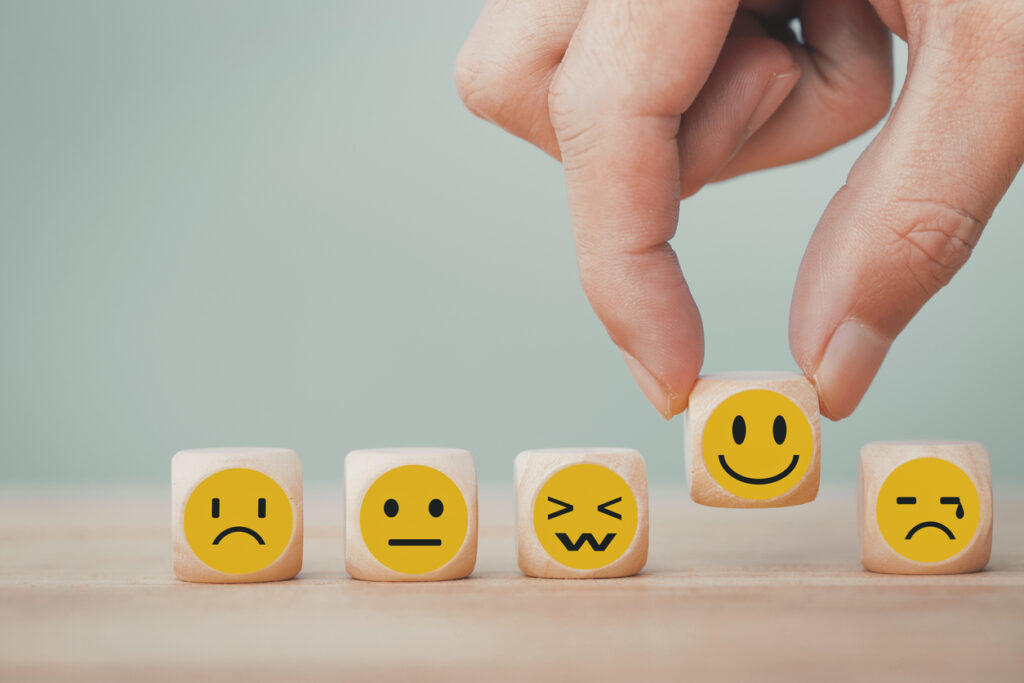
Happiness – Any state of being, having considerable permanence, in which pleasure decidedly predominates over pain
Sadness – Experiencing loss/sorrow
Anger – A strong feeling of displeasure and belligerence brought on by something bad
Fear – Impending danger
Disgust – To cause extreme dislike
Surprise – Sudden feeling of astonishment
Love – Affection for another person
Joy – Great delight
Excitement – To arouse or stir up
Guilt – A sense of wrongdoing
Types of Emotional Responses And Related Behavior
The experience of responses that are emotional is a human characteristic that occurs in reaction to specific events or situations. Major emotions, which include primary emotions, play a significant role in these emotional experiences. The emotional experience that people have in being on the receiving end of these specific events or situations can cause reactions that create connection and also create confusions and conflict.
For instance, people may experience great joy, a major emotion, when receiving positive news, or feel fear, another major emotion, when faced with a threat. The influence of major emotions is significant in shaping daily life, including decision-making processes that are influenced by one’s level of joy or anger.
Often, the motivation behind a particular activity is the emotion it elicits, especially when it comes to major emotions.
Therefore, comprehending emotions, particularly major emotions, is vital for navigating life in a more composed manner. These can be broadly categorized into three categories: primary, secondary, and mixed emotions.
Primary or Basic Emotions
Primary emotions are considered the fundamental or basic emotions that all human beings experience. These emotions include happiness, sadness, fear, anger, surprise, and disgust. Primary emotions are considered universal, meaning they are expressed and recognized across cultures and languages.
They are closely related to behavior, as they can influence the way individuals act and react in various situations. These basic emotions are typically automatic and immediate, and they can trigger physiological and behavioral responses that help individuals respond to different situations.
Here are some examples basic emotions:
Fear can trigger a “fight or flight” response, causing individuals to either confront the source of the fear or flee from it.
Anger can motivate individuals to take action in response to a perceived injustice or threat.
Happiness can encourage individuals to engage in activities that promote well-being and pleasure.
Primary emotions can also influence social behavior, as they are often communicated through facial expressions, vocal intonation, and body language.
For instance, a smile is a universal expression of happiness, while a furrowed brow is a common expression of anger or concern. Facial expressions are often misunderstood. Like a furrowed brow might just be a feeling of confusion for some. However, there are common expressions, vocal intonations, and body language that are indeed universal.
Moreover, primary emotions can influence decision-making and problem-solving by shaping an individual’s priorities and preferences.
For instance, a person experiencing intense feelings of fear may prioritize finding safety over other concerns, while a person experiencing joy may prioritize pursuing activities that bring them pleasure.
Secondary or Complex Emotions
Secondary emotions, also known as complex emotions, are a blend of primary emotions. Examples of secondary emotions include guilt, shame, envy, and jealousy. These emotions involve a more complex cognitive appraisal of a situation, such as evaluating the fairness of a situation or judging the actions of oneself or others.
Unlike primary emotions that are often automatic and instinctive, secondary emotions require a more complex cognitive appraisal of a situation and involve a deeper level of introspection.
Complex emotions can play a significant role in behavior by influencing decision-making, problem-solving, and social interactions.
For example, guilt and shame are secondary emotions that are associated with a sense of responsibility or accountability for one’s actions. These emotions can motivate individuals to make amends, apologize, or take corrective action to rectify a situation.
Similarly, envy and jealousy are secondary emotions that are often associated with social comparison and competition. These emotions can motivate individuals to strive for success or work harder to achieve a particular goal.
However, complex emotions can also have negative effects on behavior.
For instance, excessive guilt or shame can lead to self-blame, low self-esteem, and at times, severe self-destructive behavior. Jealousy or envy can lead to resentment and interpersonal conflicts.
Mixed Emotions
Mixed emotions refer to the experience of two or more primary or secondary emotions simultaneously. For example, a person may feel happy and sad at the same time, such as when attending a bittersweet event like a graduation or a funeral. Mixed emotions can also occur when there is conflict between primary or secondary emotions, such as feeling both anger and guilt after having an argument with a loved one.
Mixed emotions can influence behavior in a number of ways.
For example, mixed emotions can lead to indecision or uncertainty, as individuals may struggle to prioritize or balance conflicting emotions. They can also lead to a sense of emotional turmoil or inner conflict, which can be distressing or unsettling.
Mixed emotions can also influence social behavior by shaping communication and interpersonal relationships.
For example, when individuals experience mixed emotions during a conversation, they may have difficulty expressing themselves clearly or empathizing with the other person’s perspective. This can lead to misunderstandings and conflicts.
However, mixed emotions can also have positive effects on behavior.
For example, when individuals experience mixed emotions in response to a challenging or complex situation, it can lead to more nuanced thinking and problem-solving. And, great conversations if both individuals have a higher level of emotional intelligence.
Mixed emotions can also lead to greater empathy and understanding in social relationships, as individuals learn to navigate conflicting emotions and perspectives.
What is Emotional Regulation?
Emotional regulation refers to the ability to effectively manage and modulate one’s emotional responses in different situations. It involves the capacity to recognize and understand one’s own basic emotions, as well as the emotions of others, and to respond in a way that is appropriate and adaptive.
Emotional regulation involves a range of cognitive and behavioral strategies that can be used to manage emotions, including reappraisal, distraction, suppression, and problem-solving. For example, individuals may use reappraisal to reframe a situation in a more positive light, or distraction to shift their attention away from a negative stimulus.
Effective emotional regulation is important for mental health and well-being, as it can help individuals to reduce stress and anxiety, improve social relationships, and make informed decisions. Conversely, poor emotional regulation can lead to negative outcomes such as emotional dysregulation, interpersonal conflicts, and impaired decision-making.
Emotional regulation can be developed and improved through various techniques such as mindfulness meditation, the PIVOT Process, cognitive-behavioral therapy, and other forms of psychotherapy.
With practice, individuals can learn to regulate their emotions effectively and respond to situations in a way that promotes their overall health and well-being.
Importance of Emotional Regulation
Emotional regulation is crucial for our mental and physical health and well-being.
Here are some reasons why emotional regulation is important:
Reduced Stress and Anxiety: Emotionally regulating our responses to stressors can help us reduce our levels of stress and anxiety. This can, in turn, improve our physical health and lower our risk of developing chronic diseases such as heart disease and diabetes.
Improved Relationships: Emotionally regulated individuals tend to have more positive relationships with others. They are better equipped to manage interpersonal conflicts and communicate effectively with others, which can lead to more fulfilling and supportive social relationships.
Better Decision Making: Emotionally regulated individuals are better equipped to make informed decisions. They are less likely to make impulsive decisions based on their emotions, and are better able to think critically and problem-solve effectively.
Enhanced Cognitive Functioning: Emotional regulation can improve our cognitive functioning, including our attention, memory, and reasoning skills. This can improve our overall academic and occupational performance.
Improved Mental Health: Effective emotional regulation can reduce the risk of developing mental health disorders such as depression and anxiety. It can also improve the outcomes of mental health treatment for those who do experience such disorders.
Techniques For Emotional Regulation
Techniques for emotional regulation are cognitive and behavioral strategies that can be used to manage and modulate these responses in different situations.
Here are some examples of techniques for emotional regulation:
Mindfulness: Being present in the moment and accepting our emotions without judgment. By practicing mindfulness, individuals can learn to observe their emotions without becoming overwhelmed by them.
Cognitive Reframing: This involves challenging negative thoughts and beliefs about ourselves and our situations. This can help us to reframe our perspective in a more positive or realistic way, reducing negative emotional responses.
Deep Breathing: Taking slow, deep breaths to calm the body and reduce physiological arousal. This can help to reduce feelings of stress and anxiety.
Problem-Solving: These techniques involve identifying and addressing the underlying causes of negative emotions. By developing effective problem-solving skills, individuals can reduce the likelihood of experiencing negative emotions in the future.
Social Support: This is about seeking out and connecting with supportive individuals in our lives, such as family members, friends, or mental health professionals. This can provide a sense of validation and connection, reducing negative emotional responses.
Physical Exercise: This has been shown to have a positive impact on emotional regulation. Exercise can reduce feelings of stress and anxiety and promote a sense of well-being.
What Is Emotional Intelligence?
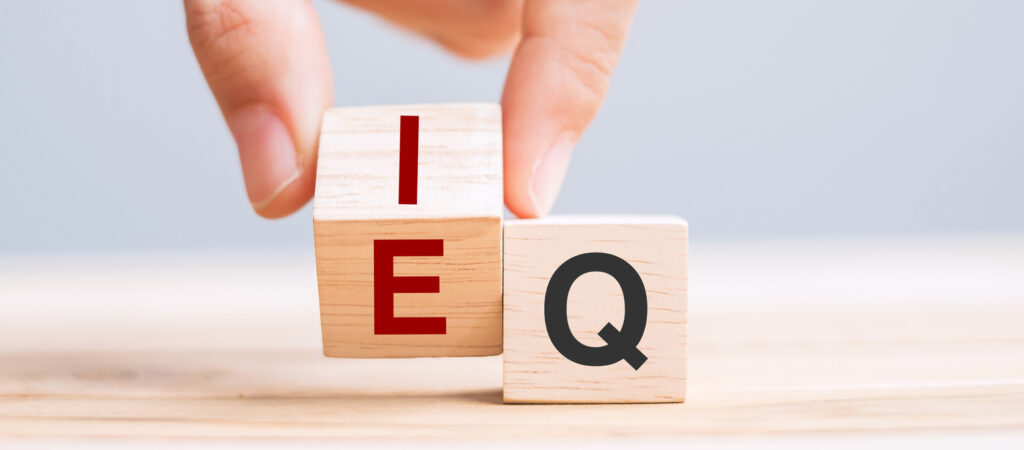
Emotional intelligence refers to the ability to recognize, understand, and manage one’s emotions, as well as the emotions of others. It involves being able to use emotional information to guide thought and behavior, and to communicate effectively with others in a variety of social situations. Emotional intelligence is an important aspect of personal and social competence, and can be developed and improved with practice and self-reflection. Individuals with high levels of emotional intelligence are often more successful in their personal and professional lives, and are better able to manage stress, build strong relationships, and navigate complex social situations.
Our #Healthy Adult process that we help people pivot into is a great example of how learning how to manage and tolerate your own feelings and know how to navigate the landscape of emotions can create a higher level of emotional intelligence. This process is unique to each of you and based on your personal and family of origin storyline.
The Importance Of Emotional Intelligence
Emotional intelligence is an important aspect of personal and social development, and has a range of benefits for individuals in their personal and professional lives.
Here are some of the key reasons why emotional intelligence is important:
Better Communication: Emotional intelligence allows individuals to communicate more effectively with others. By understanding and managing their emotions, individuals are better able to express themselves in a clear and appropriate manner, and to understand and respond to the emotions of others.
Stronger Relationships: Emotional intelligence can help individuals build stronger, more positive relationships with others. By being attuned to the emotions of others and responding in an empathetic and compassionate way, individuals can establish trust, build rapport, and create deeper connections with those around them.
Improved Conflict Resolution: Individuals with high emotional intelligence are better equipped to manage conflicts and navigate difficult interpersonal situations. By understanding their own emotions and the emotions of others, they can communicate more effectively and find solutions that are mutually beneficial.
Greater Resilience: Emotional intelligence can help individuals cope with stress and adversity. By understanding and managing their emotions, individuals can develop greater resilience and adaptability, and can bounce back more quickly from setbacks and challenges.
Increased Success: Emotional intelligence is an important predictor of success in many areas of life, including personal relationships, education, and the workplace. Individuals with high levels of emotional intelligence are often more successful in their careers, more effective leaders, and better able to achieve their goals.
Strategies For Developing Emotional Intelligence
There are a number of strategies that individuals can use to develop their emotional intelligence.
Here are some of the most effective:
Self-reflection: Developing emotional intelligence starts with self-awareness. By reflecting on your own emotions, triggers, and reactions, you can begin to understand your own emotional patterns and learn to manage them more effectively. This can be challenging for some individuals who are feeling an overwhelming sense of unworthiness and neglect. PIVOT coaching can help with this.
Mindfulness: Mindfulness practices, such as meditation, can help you become more present and aware of your thoughts and emotions. This can help you develop greater emotional self-awareness and learn to manage your emotions more effectively. Meditation can be challenging for some and there are some great free apps available that can help you begin with only 5-10 minutes a day! Yoga and walking outdoors are also excellent options.
Active Listening: Active listening involves paying close attention to what others are saying and responding in an empathetic and supportive way. By practicing active listening, you can improve your ability to understand and respond to the emotions of others.
Empathy: Developing empathy involves putting yourself in someone else’s shoes and understanding their perspective and emotions. By practicing empathy, you can build stronger relationships and communicate more effectively with others. It is hard to find empathy when someone is feeling betrayed. We can help with this.
Managing Stress: Learning to manage stress and develop greater resilience is an important part of emotional intelligence. Strategies for managing stress include exercise, relaxation techniques, and developing healthy coping mechanisms. Life experiences can bring about many feelings of stress. Financial fear, parenting, health, and the list goes on. Getting help with a PIVOT coach to understand and create a plan to help make your life more manageable can be a tremendous help in managing stress.
Seeking Feedback: Seeking feedback from others can help you understand how your emotions and behavior are perceived by others, and can help you identify areas for improvement.
Continuous Learning: Developing emotional intelligence is an ongoing process. By seeking out opportunities for personal and professional development, such as PIVOT coaching, you can continue to build your emotional intelligence over time.
Summary of Key Points on Emotions
Emotions are complex psychological and physiological responses to internal and external stimuli.
Primary emotions are universal, innate, and biologically-based, while secondary and mixed emotions are more complex and depend on individual experiences and interpretations.
Emotions play a crucial role in our daily lives, influencing our thoughts, behavior, and decision-making.
Emotional regulation is the ability to manage and control our emotions in a healthy and productive way, and is important for mental and physical well-being.
Emotional intelligence is the ability to understand and manage one’s own emotions, as well as the emotions of others, and is associated with greater success in personal and professional relationships.
Strategies for developing emotional intelligence include self-reflection, mindfulness, active listening, empathy, stress management, seeking feedback, and continuous learning.
Recap on Understanding Emotions and Emotional Responses
Emotions and their responses can have a number of implications in our personal and professional lives.
Here are some of the key implications:
Improved communication: Understanding emotions can improve our ability to communicate with others. By recognizing and responding appropriately to the emotional signals of others, we can build stronger relationships and resolve conflicts more effectively.
Better decision-making: Emotions play a significant role in our decision-making, and understanding our emotional responses can help us make better decisions. By recognizing and managing our emotions, we can make more rational and objective choices.
Enhanced self-awareness: Understanding these responses can lead to greater self-awareness, which can help us understand our strengths and weaknesses and make positive changes in our lives.
Improved mental health: Emotional regulation is essential for good mental health. By understanding our emotions and developing healthy ways to manage them, we can reduce stress and anxiety and improve our overall well-being.
Greater success in relationships: Emotional intelligence is associated with greater success in personal and professional relationships. By understanding and responding appropriately to the emotions of others, we can build trust, resolve conflicts, and create stronger connections.
Better leadership: Emotional intelligence is also associated with effective leadership. Leaders who understand and manage their own emotions, as well as the emotions of their team members, are better able to motivate and inspire others, build strong teams, and achieve organizational goals.
Final Thoughts on Emotions
In summary, emotions are complex psychological and physiological responses to internal and external stimuli that play a crucial role in our daily lives. They influence our thoughts, behavior, decision-making, and relationships.
Understanding our emotional responses and developing emotional intelligence can have a number of positive implications, including improved communication, better decision-making, enhanced self-awareness, improved mental health, greater success in relationships, and better leadership.
It is important to note that developing emotional intelligence is an ongoing process that requires self-reflection, practice, and a commitment to continuous learning. It is also important to recognize that emotions can be difficult to manage and regulate at times, and seeking support can be helpful.
Overall, by embracing and understanding our emotions, we can lead healthier, more fulfilling lives and build stronger connections with those around us.
Where Can I Get Help With Managing And Tolerating My Positive and Negative Emotions?
Achieving emotional balance is not an easy thing to do. Fortunately, you can rely on experienced and committed professionals at PIVOT to help you gain a new perspective on your emotions and take steps towards healthy emotional management. Learning to feel, manage, and tolerate your feelings in the moment and respond, not just react is one of the many things we specialize in through our time tested and evidence based curriculum.