

Philophobia: Why Do We Fear Love?

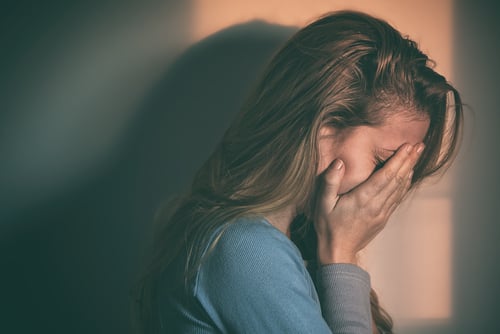
For most people, love is the ultimate ideal. We crave it, we seek it, we cherish it when we receive it. However, not everybody is so willing to open up their heart and experience everything that love has to offer. Why is that? Why are some of us scared of love?

Just as some people believe that love is all a relationship needs, there are individuals who struggle with love avoidance and find love a terrifying concept. While certain levels of fear are completely normal to most of us, people suffering from philophobia are terrified of falling in love and being in an emotional relationship with another person.

Read on if you wish to better understand philophobia and learn how to deal with it.

How Do You Know If You’re Afraid Of Love?

By definition, philophobia is an intense and irrational fear of being in love which causes great emotional distress and interferes with your normal life. It can be manifested in a wide variety of ways depending on the person and circumstances.

Common Signs Of Philophobia

If you’re wondering if philophobia is to blame for the lack of genuine emotional intimacy in your relationships, you should look out for the following symptoms:

  • You experience intense panic or fear at the thought of emotional closeness.
  • You show signs of love avoidance.
  • You sweat profusely in intimate situations.
  • You experience rapid heartbeat and difficulty breathing.
  • Your new love interests open up old wounds.
  • You struggle with vulnerability in your relationships.
  • You have difficulties in your daily life because of your fear.

If more than a few of these symptoms apply to you, it’s very likely that you, in fact, struggle with philophobia. Most of the time, fear of love feels overwhelming and even though you are aware that your fear is unreasonable, it’s very likely that you feel incapable of controlling it.

Why Am I Afraid To Accept Love?

But why are some people terrified of love? What causes philophobia exactly?

While there’s no one-size-fits-all answer to this question, it has been shown that philophobia is more common among individuals with unresolved past trauma, whether in their past relationships or childhood abandonment issues. Often, we fear and run from love because we wish to avoid getting hurt once again.

Why Do We Fear Love?

If you wish to better understand why you fear love so much, read the following statements and see if they resonate with you:

  • I can’t stand being vulnerable in front of another person. Showing our true feelings and deepest fears can be frightening. By being vulnerable, you give the other person a chance to hurt you and that makes you terrified.
  • New relationships bring back painful memories. If you’ve experienced trauma in your past relationships, it’s only natural that you don’t want to relive the pain again. Unfortunately, getting close to a new person may stir up your past hurts.
  • I feel unlovable. Sadly, many of us feel like we aren’t worthy of love and happiness. This is often caused by hurts from early childhood as well as by negative feelings our parents harbored towards themselves. Such feelings can hold you back from falling in love.
  • I fear happiness because it’s always followed by pain. Are you afraid of giving your all to another person and feeling immense happiness, just be disappointed and devastated in the end? If you feel like joy and pain go hand in hand, that may be one of the culprits for your philophobia.
  • I worry that I am incapable of loving someone truly. You may be hesitant to enter a relationship because the person “loves you too much” and you fear you won’t be able to reciprocate or that you will fall out of love and hurt them in the end.
  • You are scared of losing yourself in the relationship. Some people are scared of falling in love because they feel like the relationship won’t give them the space they need to be themselves.

How Do You Accept Love?

Philophobia has a way of making us feel like we don’t belong or like we are missing out on all the beautiful aspects of love. While we may be terrified of letting go and loving another person, that doesn’t mean that we don’t crave affection and emotional connection.

How To Overcome The Fear Of Love

If you are aware of all the ways in which your fear of love is holding you back, you’re probably looking for a way to change and learn how to embrace love. However hard it may be, overcoming philophobia is entirely possible. Here’s how you should go about it.

  • Examine your past hurts. Understanding the history of your pain and fears is the first step towards healing. Try to get at the root of your philophobia and start from there.
  • Learn how to love yourself first. As you probably already know, you can’t truly love someone unless you love yourself. Make an effort to accept your flaws and take time to heal your wounds.
  • Stop listening to your critical inner voice. We all have that inner critic that prevents us from letting go and being vulnerable. Learn its triggers and do your best not to listen when it speaks.
  • Choose your partner carefully. While we don’t choose who we love, you should make sure your new love interest is worthy of your love. Take your time and look out for red flags in the dating phase.
  • Learn how to be vulnerable. Feeling your feelings deeply and opening up your heart to the right person is the ultimate goal of overcoming philophobia. It will take time, but learning how to be vulnerable will surely set you free.

Change Your Ways With Professional Emotional Intimacy Coaching

At PIVOT, we strive to assist couples and individuals on their journey to healthier emotional lives. By sharing your fears and hurts with our PIVOT Advocates, you will learn how to love yourself and let other people in, one step at a time.

Whether you wish to attend an intensive relationship coaching retreat or try our effective individual coaching sessions, PIVOT is the perfect way to start changing your life for the better. Give us a call and start seeing love in a new light!

The Silent Treatment: Is It Abuse?

Most of us have been ignored at least once or twice in our lives. Surely, we can all agree that being given the silent treatment does not feel good. In fact, the silent treatment can often be used as a form of psychological manipulation and punishment. 

No relationship is perfect, that much is true. While some relationship problems, such as lacking emotional intimacy and emotional suffocation, don’t necessarily have a malicious aspect and can be resolved through effective emotional intimacy coaching, ignoring, when used as a form of control, is a serious red flag. 

In this article, we will shed light on the silent treatment and give advice on dealing with it in your relationship. 

Is Ignoring Someone A Form Of Control?

We are all guilty of ignoring, there’s no point in denying it. Still, it would be wise to admit that ignoring someone isn’t the most mature thing to do. While it can be harmless in certain circumstances, it can definitely be used to gain control over another person and make them feel unworthy and unimportant. 

Often, people choose to ignore because they don’t know how to express their feelings properly. In those cases, the purpose of the silent treatment may not be to hurt you but to protect the other person’s vulnerable core. However, when ignoring is used, or to be more precise, abused in order to manipulate another person, it can definitely qualify as abuse.  

Why Ignoring Is Abuse

Here’s why the silent treatment can be damaging: 

  • It can cause emotional trauma. A person who is ignored feels a wide range of confusing emotions. They may feel anger, sadness, frustration, guilt, despair, and loneliness, all at once. Naturally, such emotional confusion can have a damaging effect on your psyche.  
  • It can decrease your sense of self-worth. When you give someone the silent treatment, you are showing them that they are insignificant, unworthy and unlovable. It can greatly deplete their self-esteem, leaving serious consequences. 
  • It can cause physical issues as well. When you are ignored, a part of your brain responsible for detecting pain will activate, telling you that you’re, in fact, being physically hurt. This can also cause digestive problems, headaches, insomnia, and other physical ailments. 
  • It can have serious consequences. The silent treatment, when used for long enough, can have a severely negative effect on a person’s mental and physical health, even after the period of abuse is over and done with. 
  • It can manipulate you into doing things you wouldn’t otherwise do. Since it has such an intense effect on your emotional state, the silent treatment can cause you to do almost anything in your power to gain the manipulator’s attention. 

Because of the considerable power that the silent treatment can give one person over another, it is a favorite tactic of narcissistic and manipulative individuals. Of course, the person ignoring you may not actually be trying to manipulate you. However, if it is used as a form of punishment, lasts for longer periods of time, and ends only if you give in or apologize, it’s more than likely that your partner is using the silent treatment to control you. 

What Does The Silent Treatment Do To A Relationship?

A healthy relationship should be based on honest and open communication. While a certain number of emotional intimacy issues and aversion to vulnerability are normal for most people, if your partner ignores you constantly and makes you beg for their attention, your relationship may be quite unhealthy. Here’s are some more ways in which the silent treatment can affect relationships: 

How Do You Deal With Being Ignored?

Being ignored is hard. It can make it extremely difficult to stay calm and not lose your head. However, if you are aware of the purpose of the silent treatment, you may find it easier to keep your cool. Here’s what you can do: 

  • Try talking to them about it. If your partner is truly trying to manipulate you, open communication may not do the trick. Nevertheless, you should try to tackle the issue head on and see if your partner has a valid reason why they are ignoring you. 
  • Don’t show how much it hurts you. They are giving you the silent treatment in order to cause distress and make you feel dependent. By showing your vulnerability, you’ll show them that they have achieved the desired effect. 
  • Try not to beg for their attention. The more you chase them, the more they will ignore you, at least until they’ve reached their goal. Try distancing yourself a little bit and see what effect it has on your partner’s behavior. 
  • Find other things to do. Focusing on other people and engaging in activities you enjoy will help you keep your mind off of your partner for a bit. What’s more, they will see that their manipulation tactics have no effect on your emotional state. 
  • Consider leaving them for a while. If you’ve realized that your relationship is harmful to your mental health, the best course of action may be to leave, at least for a short while. This way, you’ll be able to see the situation from a different perspective and gain deeper insight into your problems. 

If none of these tips seem to work for you, consider seeking help from a professional relationship coach. With their knowledge and insight, you will better understand your relationship and learn how to gain independence and increase your self-esteem. 

Transform Relationship Problems Into Growth With Life-Changing Codependency Coaching 

With PIVOT, your relationships don’t have to be a source of pain and distress. We have vast experience in helping individuals feel better about themselves and their relationships through in-depth relationship coaching. It is our goal to enable you to gain control over your emotional life and assist you in building healthier and happier relationships.

Our PIVOT Advocates can help you on your path towards happiness in a number of different ways. We assist couples and individuals with their relational issues and hold effective five-day retreats at The Glass House, a residential facility where you can work on your relationships in a comfortable and comforting environment. Schedule an appointment today!

How Does It Feel To Fall Out Of Love?

As sad as the notion may be, love doesn’t always last. No matter how intense the feelings are when you first fall in love with someone, it’s always possible to fall out of love with a partner eventually, even if you still care for them.

Although there’s not always an exact reason why you fall out of love, factors such as emotional intimacy issues and being unable to love yourself first can increase the possibility of this typically unpleasant scenario. However, as no two relationships are the same, falling out of love can play out in a wide variety of different ways.

Read on to learn what falling out of love feels like.

How Do You Know When Your Partner Doesn’t Love You Anymore?

If you’ve been feeling like something is off in your relationship, it may be the case that your partner is no longer in love with you as they once were. Unfortunately, it’s completely natural for our feelings to change over time, so you should keep in mind that it’s not the end of the world if your partner doesn’t feel the same way anymore.

Signs That Your Partner Doesn’t Love You

Here’s how to tell if your partner is no longer in love with you:

  • They don’t have the time for you. If your partner is always too busy to spend time with you, it may mean that they are avoiding you because they don’t feel the same way about you anymore. Look out for signs of withdrawal if you suspect that may be the case.
  • They don’t make you feel good about yourself. Both parties in the relationship should feel comfortable and confident when together. If your partner goes out of their way to make you feel bad, that is a surefire sign that they don’t love you as much as they should.
  • They aren’t sharing their thoughts. Does your partner feel the need to tell you about their day and talk about how they feel? If not, they may no longer feel comfortable being vulnerable around you.
  • They aren’t interested in what you have to say. Similarly, if you feel like they don’t listen to you when you speak or if they never comfort you when you are down, it’s likely that they don’t care as much as they used to.
  • They are overly critical of you. Arguments are a normal part of any relationship, but if you feel like your partner criticizes you all the time or starts fights over trivial things, that’s a good sign that your relationship is nearing its end.
  • You’re experiencing intimacy problems in your relationship. Whether emotional or physical, intimacy is a core ingredient in any relationship. In case your partner seems withdrawn and less interested in making love, they may not be sure of their feelings.

How Do You Know You’re Not In Love?

Are you worried that you may be the one in the relationship who doesn’t feel the way they once did? Falling out of love is never easy, especially if you still deeply care for your partner. Still, if you no longer feel warmth and excitement at the thought of spending time with them, it’s entirely possible that your feelings have changed. Here are some additional signs that you have fallen out of love.

You Rarely Think About Them Throughout Your Day

When you’re in love, it’s normal to spend quite a bit of time thinking about your partner as you go about your day. You wish to know how they feel during the day and you may even bring them gifts and whatnot to show your affection. If that has changed, you may no longer be in love.

You Don’t Talk To Them About Your Problems

A healthy relationship should be based on trust and mutual respect. If you don’t feel the need to share your thoughts and fears with your partner on a regular basis, that is a good sign that you’re falling out of love.

You Don’t Imagine A Future With Them

When you think about your future, do you see your partner by your side? If not, you may not truly love them. While it’s normal to care about your career and social life, you’d want your partner to be a part of your life if you loved them.

You Avoid Spending Time With Them

Two people in love want to spend as much time with each other as possible. If you don’t feel like being around your partner and go out of your way to find other things to do, things probably aren’t right between the two of you.

Can You Fall Back In Love?

So, you’ve realized that you have fallen out of love with your partner or that your partner has fallen out of love with you. It is what it is. The logical next step for the two of you would be to decide whether to break up or stay in the relationship. The question is, Is it even possible to fall back in love? Can we choose to love a person or not?

One thing is certain – your relationship can’t be rekindled overnight. If you wish to bring back the magic, know that you will have to put in substantial time and effort into making the relationship work. You and your partner may be vastly different persons than you were at the beginning and these new versions of you may not be as compatible as before.

After all, choosing to end the relationship is also a viable option. There’s no point in prolonging something that just doesn’t work anymore unless you want to experience more pain as time goes by. However, if you choose to rekindle the spark, know that it can be done – but it won’t be easy.

How Can I Save My Relationship?

Saving a relationship that is no longer exciting is surely difficult but it can be done. If you decide to work things out with your partner, here are some tips:

  • Let go of past mistakes.
  • Embark on new adventures together.
  • Learn how to forgive.
  • Keep your expectations in check.
  • Share your thoughts with your partner.
  • Try to remember what brought you together.
  • Give yourself time.

Even if you follow these tips, you should know that your relationship may not work out despite all the effort. However, if you want to give your relationship your best shot, consider attending a couples retreat or a relationship workshop. With help from professional relationship coaches, you will learn more about your relationship and why it went downhill, as well as discover the best ways to rebuild it, heal your relational wounds, and change your survival patterns.

Bring Back The Magic With #1 Relationship Building Skills Workshop

Looking for an effective method to salvage a failing relationship? PIVOT can help! Whether you struggle with letting love into your life or fear that you no longer feel the same about your partner, the knowledgeable PIVOT Advocates are here to provide invaluable advice and insight with you.

At PIVOT, we provide assistance to couples and individuals with a whole range of relationship problems. Through comprehensive individual coaching and our five-day relationship coaching retreats at the Glass House, we can help you breathe new life into your relationship in no time. Reach out to us today!

What Is Anxiety?

If you’ve ever felt anxious, you’re not alone.
Anxiety is your body’s natural response to stress. It’s a feeling of fear or apprehension about the unknown. Perhaps a job interview, giving a speech or going on a first date may cause individuals to feel fearful and nervous.
But if your feelings of anxiety are extreme, or and are interfering with your life then, you may have an anxiety disorder.

What Causes Anxiety?

It’s important to note that anxiety disorders are not the result of personal weakness. For some, it is a strength that you onboarded early in life to protect yourself and others from drama and more trauma.
From scientific research, we know that anxiety is caused by a combination of factors, including brain chemistry and environmental factors.
Life challenges and different circumstances can often cause anxiety to drive our emotions. It can get so intense that the feeling of powerlessness can be destabilizing.
What’s more, if anxiety is not treated, it can lead to deep feelings of depression and other challenging health problems. And, when anxiety is treated, some find underneath the anxiety may be a mound of depression. The anxiety can act as a gatekeeper to keep you from feeling depressed. So, often the two go hand in hand.

How Anxiety Affects Relationships


Most individuals who experience anxiety often feel relationally challenged with people and situations. People who experience intense anxiety, struggle to live their everyday life healthily.
Unfortunately, anxiety can lead to a pattern of attracting addictive relationships, which can result in love addiction and even serious codependency issues.

Do I Have Anxiety? Here Are Some Common Signs

If you’re wondering if you or a loved one has an anxiety disorder, here are the most common anxiety symptoms:

Most Common Signs Of Anxiety Disorder:

  • Racing thoughts
  • Rapid breathing and shortness of breath – leading to not enough oxygen
  • Difficulty falling asleep or interrupted sleeping patterns and insomnia
  • A fear that something terrible is going to happen to yourself or your loved ones
  • Stomach problems – indigestion, constipation, and diarrhea
  • Restlessness and feeling unable to relax – feeling tense most of the time
  • Constant “thinking” resulting in fatigue
  • Difficulty handling uncertainty or indecisiveness
  • The inability to let go of worry
  • Feeling fearful all the time
  • Increased heart rate
  • Trouble concentrating
  • Nightmares
  • Panic attacks

Anxiety And Depression

If you have an anxiety disorder, you may also be feeling depressed. Although anxiety and depression can occur separately, it’s common for both to occur together.
Anxiety can be caused by clinical depression. Likewise, severe depression can be triggered by an anxiety disorder.
The good news… symptoms of both conditions can be managed with the same treatments: professional counseling, medication, and lifestyle changes.

What To Do If You Experience Anxiety Disorder?

If you think you are in experiencing an anxiety disorder, the first step is to get diagnosed.
You will need to be patient, as an anxiety diagnosis includes a lengthy process of physical examinations, mental health evaluations, and psychological questionnaires.

How To Deal With Anxiety

Once you’ve been diagnosed, you can explore treatment options. For some individuals, lifestyle changes may be enough to cope with the symptoms.
In moderate or severe cases, however, counseling or medical treatment can help to overcome the symptoms and help you lead a healthy life.
The good news is you’re not stuck with this forever. You can learn how to calm anxiety and create a healthy relationship in the future.
Recovery starts with being aware of and recognizing the symptoms. It is about healing yourself and being committed to healing.

Let PIVOT Advocates Help!


We recommend that you seek support from professionals. Remember, you are worthy of happiness, love and a healthy relationship.
The Glass House offers intensive relationship building skills workshops designed to repair and restore relational challenges as well as calm down the nervous system and begin to tolerate feelings that occur. This is a BIG help to reduce anxiety brought on by relationship challenges.
What’s more, you can work with the PIVOT Advocates whenever it suits you. Our coaches can help you with your relationship conflicts, enable you to express your desires and emotions in a healthy way, practice vulnerability in relationships, and assist you in achieving a greater understanding of yourself.
Whether you choose our couples or individual coaching programs, you can expect swift progress towards healthier and happier relationships. We’re here to help.

What Is Codependency?

The traditional definition of codependency is a relationship that is focused on one person fixing and/or controlling another person resulting in their own lack of self-care. “If you are ok, I am ok”. Controlling, nurturing and maintaining the existence of another individual who is emotionally and/or chemically dependent on and engages in undesirable behaviors is a relational recipe for disaster.

Codependency: What Is It And What Are The Signs?

As an example, a classic codependency model is an alcoholic husband and his enabling wife.
Among the core characteristics of codependency is an excessive reliance on other people for approval and a sense of identity and worth.

Understanding Codependency

Codependents are individuals who give of themselves to others and compromise their ability to care for self. Although the act of giving more of themselves make codependents believe they are “loving more” than the other person, this is not healthy behavior. Love and codependency are far from being the same thing.
Why? Because this leads to enabling. Enabling is a destabilizing behavior to the codependent person because it brings intense feelings of anxiety and fear that a loved one will not be ok. This becomes a difficult feeling to tolerate.
Codependent people often experience an array of conflicting emotions such as anger, guilt, grief, fear and shame. This is because they feel powerless over not being able to change, control, or help another person, which leads to feeling destabilized.

What Are The Signs Of Codependency?

If you’re wondering if you or a loved one is showing some codependency signs, here’s what you should look out for.

Most Common Codependency Symptoms:

  • Feel most comfortable when they are giving
  • Try to please others instead of themselves
  • Have an overdeveloped sense of responsibility
  • Feel anxiety, pity, and guilt when other people have a problem
  • Try to be all things to all people all the time
  • Unable to say “no”
  • Seek out chaos and then complain about it
  • Get angry when somebody refuses their help
  • A tendency to have their self-esteem connected to “doing”
  • Try to prove they are good enough to be loved
  • Try to be perfect, and expect others to be perfect
  • Have self-blame and put themselves down
  • Can express signs of control issues
  • Feel victimized by the “selfishness” of others

What Causes Codependency?

As children, we are vulnerable and utterly dependent on our parents and caregivers for food, safety, and boundaries. However, if you have suffered abandonment issues or grew up with an unavailable parent, then it means you may have taken the role of caretaker and/or enabler.
In other words, you have put your parent’s needs first, above your own.
What’s more, dysfunctional families don’t acknowledge that a problem exists, and as a result, the family members respond by repressing emotions and disregarding their own needs.
When the child becomes an adult, this leads to repeating the same behavior in their adult relationships.

Can Codependency Be Treated?

Treatment for codependency starts with exploring childhood issues and being aware of dysfunctional behavior patterns.
It is about healing deep-rooted feelings of hurt, loss, and anger from past wounds. Healing allows you to reconnect to yourself with self-compassion and self-love.
We recommend that you seek support from professionals and talk about the pain that’s inside of you.

How To Overcome Codependency In Relationships

While overcoming codependency is no simple task, there are techniques you can use to minimize its effects. Here’s what you can do to heal from codependency:

  • Practice independence.
  • Take care of yourself.
  • Keep your expectations in check.
  • Make peace with past mistakes.
  • Set healthy boundaries.

Remember, you are worthy of happiness and love and a healthy relationship. You can have relational freedom and say farewell to your relationship problems. And we can help!

PIVOT: Your Key To Breaking Codependency Patterns


Our PIVOT coaches will provide you with support and healing. We help codependents by focusing on creating healthy boundaries, building self-esteem, learning how to say “no” without guilt, and cultivating deep self-care.
Our clients include family members and spouses of addicts of all kinds. We also get individuals who struggle in the workplace or in the home with codependency, as well as individuals dealing with depression symptoms.
Attend intensive workshops at our retreat: The Glass House, or schedule a one-on-one session with a PIVOT Advocate who will create an individual coaching program designed to repair and restore relational challenges. We’re here to help.

What Is Depression

Many people may use the word depressed when they’re describing times when they’re feeling sad, low or down, especially during challenging or stressful moments. However, it’s normal to feel down when you’re going through a difficult time.

Depression vs. Sadness: What’s the Difference?

Depression is much more than just feeling sad.
So, what is depression, then? Some people describe feeling depressed as though they are “living in a dark hole” or have a feeling of “impending doom”. Or, they feel lifeless, empty, and apathetic. Or some feel angry, aggressive, and restless.
Whatever symptoms you may experience, depression is different from normal sadness.

The Difference Between Sadness And Depression

The reality is that depression engulfs your day-to-day life in every way. It interferes with your self-care, ability to work, have fun, socialize and show up for your close relationships.
Unfortunately, depression leaves you feeling helpless, hopeless, and worthless with little to no hope of feeling that things will get better.
People who are experiencing depression struggle to live their everyday life in a healthy manner.
Often people who are depressed become love avoidant in their relationships. They feel it is too hard to simply “show up” therefore, they make their intimate relationships fall apart.
On the other hand, depression can also play a role in codependent behaviors in relationships, where individuals sacrifice their own needs for the sake of pleasing their partner, dealing with low self-esteem, fear, resentment, and a myriad of other painful emotions which may lead to depression.

What Are The Signs of Depression?

If you’re wondering if you or a loved one has depression, here are the most common depression signs and characteristics to look for:

Most Common Symptoms Of Depression:

  • Disturbances to normal sleep patterns – either too little sleep or too much
  • Loss of appetite or can’t stop eating – either one extreme or the other
  • Finding it hard to concentrate and previously easy tasks now seem difficult
  • Having difficulty remembering things
  • Having feelings of worthlessness or guilt
  • Having feelings of hopelessness or helplessness
  • Finding it hard to control negative thoughts
  • Feeling irritable, short-tempered, angry or more aggressive than usual
  • Feeling down or ‘numb’ for longer than two weeks
  • Losing interest in activities that you used to enjoy
  • Negative self-talk
  • Experiencing anxiety symptoms 
  • Loss of pleasure in activities
  • Loss of sexual interest
  • Problems with emotional intimacy
  • Lack of energy, or feeling fatigued
  • Experiencing thoughts of self-harm, suicide or that life is not worth living – if this is you, then you must seek immediate help

What Causes Depression?

There are several possible causes of depression.
Stressful or traumatic situations in life can trigger depression. Or it can be a reaction to a distressing situation like loss or stress (reactive depression).
Or depression can develop due to a combination of factors – life events or biological factors (genetics, hormones or an imbalance of certain chemicals in the brain).

Depression And Anxiety

If you have an anxiety disorder, you may also be feeling depressed. Although anxiety and depression can occur separately, it’s common for both to occur together.
Anxiety can be caused by clinical depression. Likewise, severe depression can be triggered by an anxiety disorder.
The good news… symptoms of both conditions can be managed with the same treatments: professional counseling,  medication, and lifestyle changes.

What To Do If You Experience Depression?

If you think you are experiencing depression, the first step is to get diagnosed.  Depression is a condition that can only be properly diagnosed by a licensed health professional.
Once you’ve been diagnosed, you can explore treatment options. For some individuals, lifestyle changes or joining community support groups may be enough to cope with the symptoms.
In moderate or severe cases, however, Individual therapy or medication can help to control the depression symptoms and help you lead a healthy life.

How Do You Fight Depression?

The good news is you’re not stuck with this forever. You can heal from depression and create a healthy relationship in the future.
Recovery starts with being aware of and recognizing the symptoms. It is about healing yourself and being committed to healing.
We recommend that you seek support from professionals. Remember, you are worthy of happiness, love and a healthy relationship.

Here’s How PIVOT Can Help


The Glass House offers intensive programs designed to help individuals suffering from depression through positive psychology, clearing the negative self-talk, understand what family of origin challenges could still be driving the depression,  and improving day to day self-care.
Also, through our one-on-one coaching programs with a PIVOT Advocate, you will learn how to change unhealthy patterns that prevent you from living a happy life. We’re here to help.

Common Relationship Problems: How To Resolve Them?

Both new and long-term relationships bring a fair share of challenges. Learning how to identify both relationship problems and solutions is one of the key steps to establishing emotional intimacy with your partner. However, revealing the underlying problem and coping with it in a healthy, constructive way is far from easy.
In fact, some individuals avoid addressing certain issues with their partners because they don’t want to admit that the problem exists in the first place. Others believe that by showing that something bothers them in their partners’ behavior, their vulnerability will be interpreted as a weakness.
However, to maintain a healthy, strong relationship, you need to learn how to recognize a problem and prevent it from causing a conflict with your partner. Only then will you be certain that you’ve found the right person and have a relationship worth fighting for.

What Are The Most Common Problems In A Relationship?

Whether you and your partner argue frequently or almost never get into conflict, you probably still experience certain obstacles in your relationship. While some of these issues may seem irrelevant or temporary, they may be triggered by serious underlying problems. Leaving them unresolved can truly sabotage your relationship and even cause you to become depressed.
So, the first step in overcoming relationship challenges is detecting and understanding the problem.

5 Most Common Problems In A Relationship

If you’re not certain what exactly has come between you and your partner, take a look at some common problems individuals often experience in their relationships:

  • Inability to communicate with each other

Maintaining an open, honest communication can be difficult when you’re emotionally involved with someone. For some people, expressing their feelings or confronting their partner is truly challenging as it puts them in an uncomfortable situation. Additionally, some couples who’ve been in a long relationship may let their previous problems prevent them from truly listening to each other.

  • Feeling bored and stuck 


This is a common problem among long-term partners who feel that their relationship has nothing new to offer. They feel as if they’re stuck in a rut, always doing the same things and knowing almost everything about each other. If you’ve experienced the same problem, you may have wondered whether you’re with the right person.

  • Growing apart from each other

If you’ve been with your partner for years, you’ve probably shared numerous experiences. However, the problem arises when one of you has changed significantly over the years, while the other person remained the same. Whether it comes to gaining new interests, achieving business success, or simply adopting new habits, you or your partner may feel as if the other person has “changed too much”, which can affect your relationship.

  • Experiencing trust issues

Whether because of negative relationship history or a problem that has occurred between you and your partner, you may lose trust in your partner or have a problem establishing it in the first place. This can lead to a great number of other problems as trust is the foundation of every relationship.

  • Having trouble committing

If you or your partner have commitment issues, you may find it hard to maintain or even enter a relationship. This is a common problem among individuals who have an ambivalent or avoidant type of attachment style.

What Causes Problems In Relationships?

These issues are both a problem and a cause. For instance, trust issues can be a cause of jealousy in a relationship. However, you also have to consider what has led to these trust issues in the first place. Have you experienced infidelity in the previous relationship? Do your trust issues stem from your relationship with your parents?
Finding the exact reason behind certain problems will help you overcome them and help you build an even stronger relationship with your partner. If you want to understand yourself and your partner better and find a solution to your relationship obstacles, start by gaining a deeper insight into their cause.

  • Self-abandonment: It’s natural to put your relationship before some personal wishes after carefully considering your unique situation. However, completely neglecting yourself and focusing solely on your partner can result in a range of different problems, including resentment, anger, low self-esteem, and even depression.
  • Intimacy issues: If you and your partner have the fear of intimacy, you may be reluctant to commit fully to each other or experience serious communication problems. You may find it difficult to talk about your feelings or concerns, not wanting to get too close to your partner.
  • Incompatibility: Some people are simply not compatible in one or more aspects. Whether it comes to your sexual relationship, personal goals, personalities, or attachment styles, compatibility problems can sabotage or damage your relationship.
  • Codependency: Being in a codependent relationship is unhealthy for both partners. It leads to completely neglecting yourself, experiencing self-worth issues and self-criticism, and constantly seeking validation from your partner.

However, it’s important to mention that a relationship problem can be a result of multiple causes. It’s not always easy to discern what exactly triggered an issue between you and your partner. This is particularly common among individuals who are in a long-term relationship because numerous factors are in play.

How Do You Know If You Are The Problem In A Relationship?

It’s easy to blame your partner for everything that goes wrong in your relationship and it’s far from easy to take responsibility for certain problems. However, two people are responsible for keeping a relationship healthy, so you have to ask yourself whether you’re causing certain issues.
Of course, if you’re the problem, it doesn’t mean that you’re sabotaging your relationship on purpose. Some behavioral patterns and previous experiences may be affecting your attitude toward your partner and preventing you from resolving certain conflicts.

Signs That You’re The Problem

So, if you’re wondering whether you’re the reason why your relationship has hit the wall, you should ask yourself the following questions:

  • Do you often go off topic when arguing with your partner?
  • Do you think you’re superior to your partner in any way?
  • Do you lash out easily regardless of the problem?
  • Do you avoid admitting you’re wrong?
  • Do you have a problem saying sorry?
  • Are you happy with yourself?

How Do You Fix Relationship Problems?

Overcoming relationship challenges requires a lot of effort and work since there’s no single solution you can try. However, if you’ve found a person you truly love and want to see your relationship work, you will work on resolving your issues together and support each other along the way. Here’s how you can start:

  • Work on yourself. To be truly happy with your partner, you need to be happy and satisfied with yourself. From changing negative behavior and habits to working on your personal growth, taking steps to improve yourself will reflect on your relationship.
  • Nurture your communication. Communication is the key to resolving problems and conflicts. Don’t hesitate to speak up when something bothers you and truly listen to your partner. Discuss your issues openly and avoid criticizing your partner.
  • Stay honest, open, and calm. It’s important to stay calm during an argument to resolve a problem. Try to control your anger and express it in a healthy way. Additionally, stick to your promises and be honest – always.
  • Show appreciation. If you notice that your partner is really trying to change and work on your relationship, express your appreciation. Make sure to do the same for other gestures they do for you. If your partner feels unappreciated, this can really affect your relationship and their self-esteem.
  • Be patient. Resolving relationship problems is a process that takes time, especially if you need to change some well-established behaviors.
  • Consider relationship coaching. If you feel that you’re not making any progress or cannot identify the exact problem in your relationship, consider seeking help from a coach or joining an intensive workshop.

Resolve Your Relationship Problems With Life-Changing PIVOT


Strengthening your relationship through problem and conflict resolution is truly rewarding. However, it requires you and your partner to overcome numerous challenges and face your problems honestly, which can be difficult and emotionally exhausting.
Fortunately, you can find the help and support you need with us. Our experienced PIVOT advocates are here to help you gain a deeper understanding of your relationship, reveal the problems that have been sabotaging it, and finally reach the resolution you need.
The PIVOT process is carefully devised to help you alter the negative behavioral patterns by addressing the underlying issues. By reaching out to us, you’ll have an opportunity to join our high-result intensive coaching retreat at the Glass House or work on your personal growth and self-improvement through our individual PIVOT coaching. Start your personal and relational transformation today!