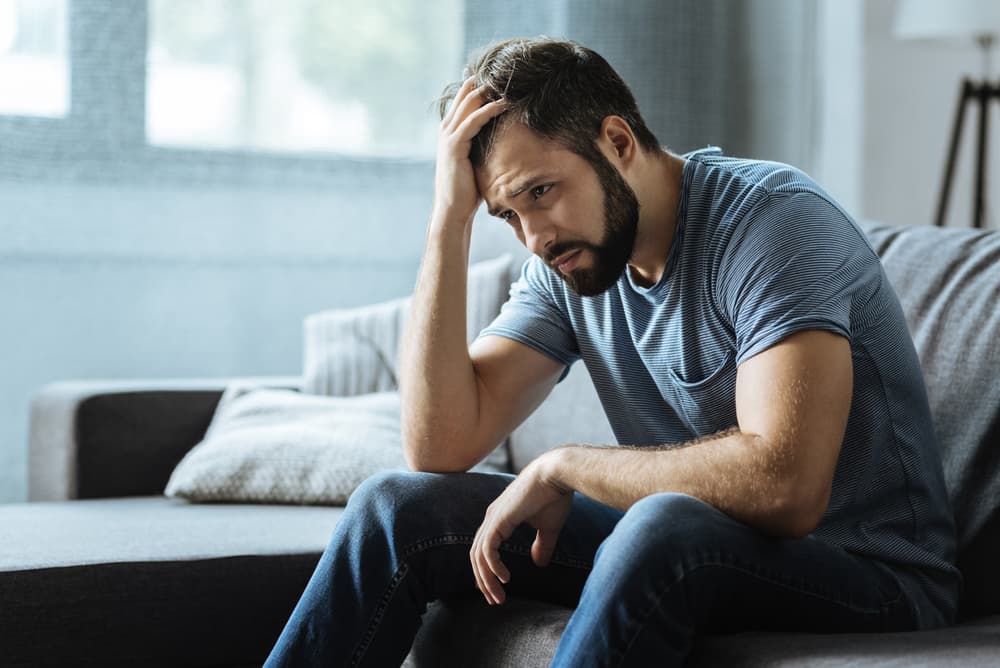


Feeling Numb: Is It Possible To Be Truly Emotionless?

Experiencing intense feelings is an integral part of being human. Our deepest feelings, whether it’s sadness, anger, or joy, power our most interesting and vivid behavior. But what if you feel empty? Is being numb the same as being emotionless? Is it even possible to be entirely emotionless? 

Feeling detached and lacking emotion can be a sign of deep emotional intimacy issues, as well as a range of medical conditions. At times, we may even choose to be emotionless for fear of succumbing to the weight and intensity of our feelings and emotions. In this article, we explore why someone would lack emotion and how one can deal with a person who is experiencing emotional blockage. Keep on reading. 

Can A Person Be Emotionless?

Why Would Someone Hide Their Feelings

Have you ever felt detached and disconnected from your emotions? The answer is probably yes. You may have felt that way when you were overwhelmed with everything going on in your life, and realized at one point that you actually felt nothing. But was that really the case? Were you truly emotionless or were you just bottling up emotions? 

It is entirely normal to detach yourself from your feelings when you are stressed, overwhelmed, or anxious. This does not mean that the emotions aren’t there – you’re simply not acknowledging them, or you may be trying to analyze them objectively and not let them overcome you. 

This is known as emotional detachment, which can be a natural response to a stressful situation. However, emotional detachment can also result from trauma or abuse, as well as be a sign of several psychological conditions, including attachment and personality disorders.  

What Causes A Person To Be Emotionless?

There is a wide range of possible reasons why you may feel numb or emotionless. Here are some of the most common causes of emotional detachment: 

  • Depression: Detachment is a common symptom of depression. When you’re depressed, you may feel little interest in things you used to enjoy, as well as have a sense of general apathy and indifference. 
  • Anxiety: Severe anxiety can also cause you to lose touch with your emotions. Detachment can serve as a protection mechanism for your anxious feelings and thoughts
  • Severe stress: Similarly, lacking emotion can also be a result of overwhelming stress. If you’ve had a stressful period in your life, detaching yourself from your emotions is an entirely natural response. 
  • Medication: Some medication used to treat depression and anxiety can cause emotional detachment. They can affect the way in which your brain processes emotion and mood, causing confusion and apathy. 
  • Abuse: Experiencing physical or emotional abuse and manipulation can cause a variety of issues, including emotional detachment. It is often easier for abuse victims to distance themselves from the experience and the emotions it has caused. 
  • Underlying disorders: Emotional detachment can also be a symptom of certain psychological conditions, such as reactive attachment disorder and several personality disorders. 

Why Would Someone Hide Their Feelings?

At times, we may consciously decide to hide our feelings from others, for one reason or another. Emotional detachment, on one hand, is often a subconscious process – the individual experiencing it may not know why they lack emotion. On the other hand, you may make a conscious effort to hide or ignore your emotions. You may do so because: 

You Don’t Want To Appear Weak 

Openly showing your emotions usually means being vulnerable. It is entirely normal to fear exposing your vulnerabilities to other people, especially if you feel like they would judge you. For this reason, you may choose to hide your anger, fear, sadness, or frustration. 

You Don’t Want To Get Hurt Or Hurt Others

If you want to avoid a painful conflict or put yourself in a situation where you may be emotionally manipulated, you might choose not to react negatively and hide your feelings. You may do so because you have issues with trust or lack faith in your conflict resolution abilities. 

You Lack Confidence 

If you’ve had your feelings invalidated since a young age, it’s possible that you’ve also learned to conceal them. Your parents or caregivers may have reprimanded you for emotional outbursts, whether positive or negative, so you no longer feel confident expressing your feelings and opinions. 

How Do You Deal With An Emotionally Unavailable Relationship?

What Causes a Person To Be Emotionless

Having a loved one who is emotionally detached or unavailable can put quite a bit of strain on your relationship with them and your own mental health. Here’s what you can do to cope with an emotionally distant or unavailable person

  • Understand the causes: try to uncover the root causes of your loved one’s emotional detachment. Are they trying to avoid a conflict? Are they struggling with depression? Determining where they’re coming from can enable you to offer better help and deal with the situation. 
  • Offer support: your partner or family member may not want to show their feelings, but that doesn’t mean that they don’t need support or validation from you. Show them that you are there for them, but don’t pressure them into opening up. 
  • Focus on yourself: instead of focusing all of your energy on getting your loved one to let their guard down, express your own feelings – explain to them how their emotional unavailability is affecting you without being accusatory.
  • Don’t feel responsible for their feelings: while you may genuinely want to help your loved one get better and become more honest with their emotions, at the end of the day, their feelings are their own, not yours. Don’t try to manage or control them. 
  • Consider professional coaching: An experienced coach can help you and your loved one build trust and deepen intimacy. A professional will use expert tactics to calmly and supportively get your loved one to speak and open up. 

Learn To Embrace Your Emotions With PIVOT Emotional Intimacy Coaching

While detaching yourself from your feelings can be quite helpful in certain situations, ignoring them for too long can have serious consequences on your mental and physical health. It can affect your relationships and hinder your ability to create strong bonds based on honesty and trust. 

Luckily, you can rely on PIVOT Coaches to offer expert support through individual coaching and provide insightful advice in our relationship workshops. If you are ready to take the first step towards an emotionally balanced life, get in touch with a PIVOT Coach today. 

Emotional Distance: What It Is & What Causes It?

In healthy partnerships, you start out close—without any emotional distance. Over time, events or stresses can drive one or both partners to feel shut off. This growing emotional distance often shows up as avoiding heartfelt conversations or pulling away physically and mentally, leading to a loss of emotional connection. A common sign of emotional distance is the tendency to avoid discussions about emotions or the absence of physical affection. Once you start holding back your emotions, you start allowing anger to enter the relationship, which is a recipe for a quick end.

A common sign of emotional distance is the tendency to seek emotional needs outside of the relationship, which can further deteriorate the emotional connection. It’s not healthy to allow emotional distancing to fester in the relationship. You want to be aware of what emotional distancing is and what causes it, and try to detect the reasons behind you becoming emotionally distant. Emotional connection is crucial for intimacy and understanding between partners It’s always best to consult an experienced relationship advocate to help you, however you first need to know what and why it is happening to you.

What Is Emotional Distance?

Emotional distancing, or emotional detachment, is the inability of an individual to completely engage with their own feelings, or the feelings of others. Severe emotional distancing can start interfering with a person’s social, emotional, psychological, as well as physical development. 

Emotional distancing can be temporary, in response to a stressful or unpleasant situation, or ongoing, which appears in people who suffer from attachment disorders. Whatever kind of emotional distancing you’re experiencing, you should try and find professional assistance to help you cope with it and overcome it.

Common Symptoms of Emotional Distance

Some of the most common signs of emotional distancing, be it in a relationship or with loved ones, are the following:

  • Suffering from low self-esteem
  • Becoming completely ambivalent
  • Exhibiting very bad listening skills
  • Constantly challenging intimate relationships
  • Not opening up or having great difficulty doing so
  • Experiencing lack of verbal, physical, or sexual contact

These symptoms can lead to emotional disconnection, where unresolved issues and avoidance of conflicts further escalate the sense of emotional distance felt by both partners.

What Causes Emotional Distance in a Relationship?

What Causes Distance In A Relationship?

Emotional distancing in relationships can be caused by several different factors. Determining the cause behind you or your partner becoming emotionally distant is the first and vital step in overcoming such emotional problems.
Stress is another significant factor that can lead to emotional distancing, as extreme levels of stress can affect various aspects of life and relationships. Here are the most common causes of emotional distance in relationships:

  1. Alone time: Sometimes, it all begins with a benign reason as craving some alone time. If you or your partner do not have sufficient time to dedicate to yourselves, you should try discussing it honestly and finding some time for you and you alone.
  2. Emotional distress: If you or your partner have recently suffered severe emotional strain, it can be what triggered the act of emotional distancing. Experiencing extreme emotions can lead to an individual withdrawing and becoming emotionally distant for a time.
  3. Love lost: Sometimes, you or your partner are no longer as emotionally invested in your relationship as you used to be. Losing interest in the relationship, not putting enough effort and avoiding intimacy are different factors that can lead to problems with emotional attachment.
  4. Avoiding and pursuing: Sometimes, you can start feeling that your partner is too needy, or vice versa. This leads to taking an emotional step back which, in turn, leads to your partner pushing even harder for answers and explanations, which quickly turns into a vicious cycle of pushing and falling back, climaxing in complete emotional detachment. This can also effect your ability to to effectively express emotions.
  5. Criticism: When you or your partner begin to experience emotional distance, it can quickly become really hurtful. One of you will then start to become overly critical of the other, leading to emotional withdrawal and further emotional distancing. This withdrawal will make you feel even more distressed, which will lead to even more criticism, without an end in sight.

Whatever the causes and the reasons behind emotional distancing, it’s paramount that you consult an experienced relationship advocate to help you get through it all. Otherwise, you and your partner risk imprinting further emotional damage onto each other due to unresolved conflict.

woman emotional distance from family outside

What Does It Mean When You Distance Yourself From People?

Sometimes, the cause behind becoming emotionally distant is simply a lack of excitement in your life.
Losing hope in the relationship can also contribute to emotional distancing. As simple as this may sound, the feelings you’re experiencing are still hard and difficult to deal with.

Distancing yourself from people close to you, be they your partner, your family, or your friends, is never easy, and you may want to try to talk about it to change it. Engaging in a healing process that includes self-reflection and new activities can facilitate personal growth and positive thinking. Here’s what you can try to do when you feel that your life has become stale and that it’s causing you to take spend time alone, away from the important people in your life:

  1. Get a pet

    The affection pets show can help promote emotional bonding, and their natural excitability can help you find the excitement you’ve lost.

  2. Drives and walks

    Start taking long walks in beautiful settings, or start taking your car for drives through interesting and exciting scenery. Try to promote interaction with the environment to stop yourself from feeling dull and isolated.

  3. Learn a skill

    Try finding a new hobby, challenge yourself in fields you haven’t tried before, try to learn how to play an instrument. Find something to become engaged in, and let it embellish your daily life.

  4. Find new friends

    Sometimes, you need a fresh friendship to take you out of the rut you’re finding yourself in. They can show you new experiences, open you up to new events, and show you a completely different side of life.

  5. Consult a professional

    Finally, if all else fails, consult an experienced advocate who can help you cope with and overcome the emotional problems you’re facing.

Why Am I Distancing Myself From My Partner?

If you notice that you’re starting to emotionally distance yourself from your partner more and more, it’s time to take a look at some of the reasons why that might be happening. There are three main reasons why you might be distancing yourself from your partner:

  1. Prolonged distance: Couples go through different emotional periods together. Sometimes, they feel more distant, while sometimes they feel close to each other. However, if you stop spending quality time together, enjoying engaging activities, or start spending prolonged time away from each other, you can become more and more emotionally distant unless you change these habits.
  2. Unresolved conflicts: Experiencing conflicts in relationships is normal. However, you should always try to resolve those conflicts and not leave matters unfinished. Unresolved issues can cause long-term resentment, which can lead to severe emotional distancing between you and your partner. Unresolved conflicts can also lead to anxiety, which exacerbates emotional distancing.
  3. Poor sexual connection: Finally, if you’re experiencing a prolonged period of sexual inactivity between you and your partner, this may be a signal that you’re growing further and further apart emotionally. 

Join a PIVOT Retreat & Overcome Emotional Intimacy Problems In Your Relationship

Couple experiencing emotional distance in relationship

Losing emotional attachment to your partner or loved ones is never easy. Becoming distant in a relationship is hard on both parties involved, and it can exert a horrible emotional toll on both partners, unless they understand each other’s needs.

However, there is a way to solve such intimacy problems in a relationship, and it is best to start working on resolving your emotional distancing issues with an experienced relationship advocate.

PIVOT is your safe sanctuary where you can get in touch with your inner self and learn how to connect with your partner all over again. We organize relationship retreats and workshops for you and your partner, while you can choose to have individual coaching sessions with a team of our experienced advocates. PIVOT is here to help you feel again. Contact us today!

pivot company logo with tagline

Emotional Blockage: Causes, Symptoms & How to Release It

Ever feel like you’re stuck in quicksand, unable to take a single step toward your goals? It’s that sinking sensation where anxiety creeps in, or worse, you feel completely frozen—like no matter how hard you try, you just can’t move forward. If this sounds familiar, you’re not alone. That overwhelming, trapped feeling is something so many of us face, and it might be what’s known as emotional blockage.

Do you struggle to move forward and achieve your goals? Have you ever felt anxious or even paralyzed because of a situation in your life? If you feel like there is no way out, you may be experiencing this very barrier.

Our emotions are an essential part of our psychological makeup—they’re natural responses to both external events and our inner narrative. Yet when feelings go unprocessed or get shoved aside, they can bottle up and form a mental roadblock that blunts creativity, fogs decision-making, and saps motivation. The good news? Emotional blockages respond remarkably well to relationship-intimacy coaching exercises, mindfulness techniques, and other evidence-based psychological supports. Keep reading to learn why suppressing emotions backfires and how to clear the path forward.

What Is Emotional Blockage?

What Causes Emotional Blockage

Being emotionally blocked means having an unhealthy relationship with your emotions. You may be unable to express and communicate them, or you might experience difficulties understanding why you feel the way you do. It is a defense mechanism that keeps us from coming to terms with our emotions, thinking clearly, and taking forward action. 

Emotional blockage can be quite difficult to deal with. You may be fighting hard to avoid or ignore your emotions, which instead makes them even more overpowering and pervasive. Instead of going away, your emotions will bubble up, leaving you confused, easily triggered, and prone to lashing out. What’s more, intense emotional blockage can also cause severe anxiety and depression. All of this can affect many aspects of your life, including your behavior, cognitive skills, work, friendships, and relationships. 

Signs of Emotional Blockage

Emotional / Behavioral

  • Emotional numbness or feeling “flat”
  • Persistent rumination over past events or mistakes
  • Lingering resentment or simmering anger that resurfaces easily
  • Heightened irritability over minor triggers
  • Anxiety spikes in otherwise safe situations (e.g., fear of intimacy)
  • Difficulty trusting or opening up to others
  • Self-sabotaging habits like procrastination or perfectionism
  • Avoidance of conflict at any cost
  • Repetitive negative thoughts (“I’m not good enough”)
  • Sense of being stuck or powerless to move forward

Physical

  • Recurring tension headaches or migraines
  • Tight shoulders, neck stiffness, or jaw clenching (TMJ)
  • Chest tightness or chronically shallow breathing
  • Gastrointestinal distress (IBS-like cramps, “nervous stomach”)
  • Chronic fatigue or low energy despite adequate rest
  • Insomnia or frequent 3 a.m. wake-ups
  • Rapid heartbeat or palpitations in calm settings
  • Lower-back pain or unexplained body aches
  • Skin flare-ups (eczema, acne) when emotions spike
  • Frequent colds or lowered immunity

What Causes Emotional Blockage?

Emotional blockages are typically caused by negative, traumatic, or stressful situations and events the individual is not prepared or used to dealing with. These may include: 

  • Abuse and traumatic experiences 
  • Death of a loved one 
  • Relationship breakups or turbulences 
  • Employment status changes 
  • Unexpected moves or lifestyle changes 
  • Diagnosis of serious medical illnesses 

You can also become emotionally blocked by positive events such as news of pregnancy, promotions, unexpected visits. In general, emotional blockage can be a natural response to a wide range of shocking events, as we need time to process the new information and the changes that may come from it. 

Is It Bad To Hold Back Your Emotions?

Choosing to bury your feelings can lead to a variety of issues, both internally and externally. If you don’t react to a stressful situation by letting out the painful emotions or at least acknowledging them, you may start to withdraw from others, react inappropriately, experience anger outbursts, or fall into apathy. Ultimately, you’ll most likely be unable to resolve your emotional, social, or professional issues unless you express and deal with your emotions. 

What Happens If You Hold In Your Emotions?

Suppressing painful emotions can lead to a range of psychological and physical stress on your body. Here are some concrete examples of how emotional blockages can affect the quality of your life: 

Addictions 

Bottling up emotions can lead to substance abuse, whether it’s with alcohol, antidepressants, or drugs. If not addressed, addictions can further worsen your emotional situation. 

Anger Issues

If you keep suppressing hurtful emotions, burying them as deep as they can go, they’ll inevitably push back at some point, pouring out in intense bursts of anger. If you notice yourself lashing out at people close to you, take a step back and think about what you may be avoiding. 

Social Problems

Withdrawing from others, lashing out, and being emotionally unavailable can negatively impact your relationships. You may distance yourself from your romantic partner, struggle to maintain some of your friendships, or fail to build strong professional relationships. 

Mental Exhaustion

When you suppress emotions, you may also suppress a memory of an event or situation that has hurt you or made you feel uncomfortable. As you can’t actually forget something on purpose, your mind will have to work extra hard to avoid thinking about the memory in question, often causing mental exhaustion.  

Migraines And Headaches

The unaddressed emotional stress can tighten your brow and forehead muscles, reducing blood flow and causing headaches and migraines. 

Decreased Lifespan 

Not dealing with your emotions can cause a number of other health issues, including stomach problems, weight gain, and even increased cancer risks. In fact, suppressing emotions may increase your chances of premature death by as much as 30 percent. 

How Do You Release Emotional Pain?

Is It Bad To Hold Back Your Emotions

Nobody enjoys feeling sad, angry, ashamed, or humiliated. Still, not acknowledging these feelings and lying to yourself will get you nowhere, and can actually make things much worse. Here’s how you can start dealing with your emotions and working on a healthier, less stressful life:

  1. Move the Body, Move the Mood
    • Just two minutes of jumping jacks, dancing, or “shaking it out” signals to your nervous system that the threat has passed, helping adrenaline complete its stress cycle.
  2. Mindfulness Micro-Pause
    • Close your eyes and name five sensations (what you hear, feel, smell, see, taste). This 60-second scan grounds you so the emotion doesn’t spiral.
  3. Stay With the Feeling
    • Set a timer for three minutes and let yourself fully experience sadness, anger, or guilt—cry, stretch, talk it out, or listen to a song that matches the mood. Emotions metabolize when they’re felt, not avoided.
  4. Reality-Check Journaling
    • Draw a line down a page. On the left, list the upsides of the situation or person; on the right, jot the costs or painful truths. Balancing both columns pops the “all good/all bad” bias.
  5. “Letter You’ll Never Send”
    • Free-write everything you wish you could say to the person or event, then shred or delete it. Expressive writing offers catharsis without real-world fallout.
  6. Daily Small Win
    • Complete one doable task—organize a drawer, send a thank-you text, or finish a 10-minute workout—and celebrate it. Small successes rebuild self-esteem, reducing the need to bury feelings.
  7. Gradual Exposure to Real Memories
    • Revisit a neutral photo, song, or place tied to the pain for 60 seconds, naming feelings and bodily sensations without judgment. Increase exposure time over a week to desensitize triggers.
  8. Seek Professional Support
    • If emotional blockage lingers for weeks or disrupts daily life, a therapist or relationship-intimacy coach can guide you with techniques like the PIVOT process, experiential therapy, and developmental parts work.

Find Release Through Expert Relationship Intimacy Coaching

If you struggle to let out your emotions and maintain strong relationships, know that you can facilitate positive behavioral change with the right kind of help. At PIVOT, we strive to help individuals and couples understand and integrate their emotions and find relief from emotional pain. Whether you choose to try our transformative emotional coaching for individuals or attend one of our deeply insightful relationship workshops, rest assured that our PIVOT Coaches will give you the tools and resources you need to heal your emotional wounds. Contact us today.

pivot company logo with tagline

Idealization In Relationships: Beyond the Fantasy

Have you ever caught yourself marveling at your partner—almost pinching yourself because being with them feels too good to be true? It’s a beautiful feeling, isn’t it—that early spark of love where every glance and word feels like magic. I get it; we’ve all been swept up in that rush, seeing only the best in someone we adore. This is what idealization in relationships looks like: placing your partner on a pedestal, amplifying their charm and kindness, while their flaws seem to vanish into thin air. It’s a natural part of falling in love, and you’re not alone in feeling that thrill—or the confusion when that perfect image starts to fade.

What Is Idealization In Relationships?

Idealization in relationships is when you place your partner on a pedestal, exaggerating their positive qualities while overlooking their flaws. It’s a psychological process rooted in the excitement of new love, where your brain, flooded with feel-good chemicals like dopamine, paints your partner as the answer to your hopes and dreams. Think of it as seeing them through a filter that highlights their best traits—kindness, humor, or ambition—while muting anything less than perfect.

This tendency often stems from our deep-seated desire for connection and security. In the early stages of a relationship, idealizing your partner can feel protective, shielding you from doubts or fears about vulnerability. However, as the relationship evolves, this idealized image can set unrealistic expectations, leading to disappointment or conflict when reality creeps in.

Why Do We Idealize Our Partners?

Is Idealization A Defense Mechanism?

Idealization is a psychological and biochemical process that happens when we create positive illusions about another person, exaggerating their virtues and ignoring their flaws. When we begin to fall in love, we tend to feel a strong tendency to idealize, seeing the love interest as a little bit more talented, beautiful, and charming than they may actually be. 

There are many reasons why we do this – some people idealize out of fear, not ready to face the fact that the person they’re obsessed with is not perfect. Others may idealize a past relationship because they want to validate their past decisions and strong feelings.

Emotional unavailability can also lead to idealization, as individuals may not acknowledge critical emotional needs, leading to unrealistic perceptions of their partners.

What Happens To Your Brain When You Are In Love 

When we go through an infatuation stage in a relationship, a biochemical process happens in our brains. This process is quite similar to addiction and we can do very little in terms of controlling it. As different chemical substances are altered and generated in your brain, such as phenylethylamine, norepinephrine, and dopamine, you may experience some of the following symptoms during the infatuation stage: 

  • Increased nervous excitement, followed by cold sweats and flushing
  • Stomach tingling, shivers, palpitations 
  • Extreme focus on the loved one 
  • Increased feelings of dependency 
  • A strong desire to be one with your partner 
  • Heightened feelings of anxiety and euphoria  

These physical symptoms are often accompanied by intense emotions, which can further fuel the idealization process.

Is Idealization In Relationships A Defense Mechanism?

Exaggerating the virtues and minimizing the flaws of a person you’re interested in is perfectly normal at the start of a relationship. But did you know that you may be protecting yourself from ambivalent feelings towards the person? In psychoanalytic theory, idealization is seen as a defense mechanism that helps us navigate our confusing feelings and maintain a positive image of the people that matter to us. 

Idealization as a defense mechanism is often mentioned in relation to splitting. We tend to “split” when we fail to bring together both the negative and positive qualities of a person into a realistic whole – they are either all bad or all good, there is no middle ground. This black and white thinking process tends to start in childhood, when a child is unable to combine the bad and the good aspects of their parental figures, instead seeing them as either one or the other.

What Is The Idealization And Devaluation Cycle?

Throughout childhood and adolescence, idealization is a natural part of growing up. We tend to start with idealizing our parents, then our friends and partners as part of the separation process in our teenage and adolescent years. In adulthood, our tendency to idealize should start to wane, transforming into a more balanced and integrated sense of others and the self. 

But when it doesn’t get appropriately integrated during adulthood, idealization in relationships is often followed by a pattern of devaluation. This combination is known as the idealization and devaluation cycle and can be characteristic of different personality disorders and behavioral conditions, such as borderline personality disorder, codependency and pathological narcissism

Individuals prone to idealization and devaluation are often also prone to splitting. They may view people in their life as either all good or all bad, idealizing them at first and then devaluing them by attributing exaggerated negative traits to them.

For instance, if you were a target of a narcissist, they may subject you to excessive love bombing in the early stages of the relationship, and then devalue you using different manipulation tactics such as stonewalling, gaslighting, minimization, and so on.

How Do I Stop Idealizing My Partners? 

Whether you are putting an ex-partner on a pedestal or tend to see each new relationship as something more special than it actually is, there is a likelihood that you may still be dealing with past emotional pain and trauma. If you’ve noticed that you have a strong tendency to idealize your romantic relationships, try the following tips: 

  1. Look into the past

    You may be idealizing your interpersonal relationships because you have unresolved trauma from childhood or adolescence, and exploring your past hurt may give you a new perspective. 

  2. Learn to love yourself

    Invest some time in taking care of and accepting yourself for who you are, flaws and all. Self-love and care is the first step to integrating the conflicting parts of your personality.

  3. Understand that nobody is perfect

    The key to overcoming your tendency to idealize is to accept the fact that people are complex beings, with both positive and negative attributes that can all coexist within a person at the same time.

  4. Work on healing your core wound

    In order to be at peace with the complexity of yourself and others, you should work on understanding and healing your core emotional wound. 

  5. Seek help from professionals

    The best way to integrate difficult feelings and create healthier relationships is to reach out to qualified professionals who will give you the resources you need to live a happier life.

Find The Balance You Seek At Our Relationship  Intensive Workshop 

What Is The Idealization And Devaluation Cycle?

Whether you are struggling with letting your guard down or need help dealing with past trauma, don’t be afraid to reach out and find the help you need and deserve. Joining support groups and engaging in therapy can provide emotional support and validation needed for personal growth. At PIVOT, we work with experienced relationship coaches who love helping couples and individuals find happiness and balance in their lives.

We offer a great number of carefully crafted relationship workshops and retreats, as well as individual coaching designed to help you heal and better understand yourself and others. Get in touch us today!

Commitment Issues In Relationships: How To Overcome Them

Many individuals fear commitment and will struggle with situations that require them to establish a long-term connection or obligation to another person.

People with commitment issues or commitment phobia experience great levels of anxiety in relationships. The commitment challenges they face can take a great toll on both parties in the relationship and often the only way to overcome these obstacles is to seek external help, whether it’s in the form of individual coaching or a dating problems workshop.

Read on to learn what commitment issues are, how they occur, and how you can deal with them.

What Are Relationship Commitment Issues?

In order to understand why you or your partner have commitment issues, you first need to know what commitment actually means. In the most basic sense, it can be defined as an obligation or bond to a single person, goal, or cause. Commitment phobia can affect all areas of one’s life, including their romantic relationships, friendships, and professional life.

It’s important to understand here that a person struggling with commitment issues probably craves to establish emotional intimacy and maintain a long-term relationship. However, the intense feelings they experience in the relationship may be more scary to them than to most people, making it hard for them to stay in the situation for long.

What Causes Commitment Issues In Relationships?

The roots of commitment issues tend to go back to a person’s early childhood. Oftentimes, an individual with commitment issues will have an avoidant or ambivalent attachment style. This means that the relationships the person experienced in early childhood, particularly with parents or caregivers, impacted their adult relationships in a way that makes commitment such a challenge.

Avoidant individuals tend to be wary of being vulnerable in a relationship and showing genuine emotion. This may be because they were hurt in a previous romantic relationship or the issue may go further back to potentially unresponsive or unavailable parents. Either way, a person with an avoidant style will likely perceive most people as unreliable and will go out of their way to avoid pain in their relationships.

Causes Of Commitment Phobia

Naturally, the exact causes of commitment issues will differ from one person to another. Nevertheless, there are certain factors that can influence a person’s commitment phobia. Here are some of them:

  • Unhealthy relationships with abusive, unfaithful or controlling partners
  • Neglectful or unresponsive parental figures
  • Parents’ marital problems or divorce
  • Deeply rooted trust issues
  • Traumatic events in formative years
  • Intense fear of being hurt in a relationship, etc.

Of course, no two individuals will have the exact same background. As a result, commitment issues can manifest in a variety of different ways. While some individuals may struggle with even starting a long-term relationship, others will try to maintain long-term relationships only to sabotage it once their fears become more intense.

Dating Someone With Commitment Issues

Being in a relationship with an individual with commitment phobia can be incredibly stressful. If your partner has trouble committing and showing their true feelings, it’s only natural that you’d feel lost and confused in the relationship.

However, confusion and resentment may not always stem from commitment phobia. Determining if your partner has underlying commitment issues would require them to share their thoughts and feelings and that’s a tough deal for most commitment-phobes.

How To Tell If Your Partner Has Commitment Issues

If you aren’t sure whether your partner struggles with commitment, ask the following questions:

  • What were their previous relationships like? Typically, commitment-phobes tend to have a history of unstable and short-lived relationships. Also, if your partner has never been in a long-term relationship, they may struggle with commitment.
  • Have you met their parents and friends? A person with commitment issues may refrain from including you in their family life. If they aren’t sure that you are here to stay, they may not want you to meet their family and close friends.
  • Are they willing to plan ahead? If your partner only plans for a couple of weeks or months ahead but refuses to make any long-term plans with you, they may be dealing with underlying commitment issues.
  • Do they tell you how they truly feel? An unwillingness to open up and talk about how they feel about you and the relationships is a common characteristic of commitment-phobes, so look out for that.

What Do You Do If Your Partner Has Commitment Issues?

Dealing with commitment phobia is no small feat. If you‘re in a relationship with a person struggling with commitment anxiety, it’s understandable that you may doubt the relationship and contemplate leaving it.

While breaking up may be the best course of action in some cases, you should keep in mind that a commitment-phobe probably desires emotional intimacy but has no idea how to change their ways. Here’s how you can try to deal with commitment issues in your relationship:

  • Give them some space. While you may be afraid of losing your partner, pressuring a commitment-phobe is never a good idea.
  • Be patient. If they truly love you, they will realize that they want to work on the relationship, even if it may take some time.
  • Be honest and show them that they can trust you. Many individuals who struggle with commitment are simply afraid of being hurt.
  • Try to understand why they are the way they are. If you make an effort to be understanding and attentive to your partner’s needs, they will probably appreciate it.
  • Don’t forget to care about yourself. All of this doesn’t mean that you should put your partner’s needs before your own. If your partner doesn’t want to work on themselves, don’t waste all of your energy on trying to change them.
  • Seek professional help. Commitment issues can be hard to deal with. Sometimes, the best course of action is to reach out to experienced relationship coaches for guidance.

Let The PIVOT Advocates Help!

Reaching out to seasoned relationship specialists is often the best path to take if you’re dealing with relationship problems. Our knowledgeable PIVOT Advocates rely on a curriculum built over 15 years that we call the PIVOT process, employing effective methods and techniques to help individuals struggling with personal and relational challenges.

Whether you want to try out couples or individual coaching for your relationship struggles or want to visit a relationship problems and solutions retreat that we offer at The Glass House, you’ve come to the right place. Reach out to us today and change your relationships for the better!

Dishonesty: How To Spot It & Deal With It

It can be incredibly emotionally draining to deal with a dishonest partner. Yes, problems with self esteem can affect a relationship. A very codependent partner can also negatively influence the entire relationship. Jealousy can also quickly destroy relationships. However, nothing seems to be quite as damaging as experiencing dishonesty in a relationship you believed was built on trust. 

When you become aware that a partner is being dishonest, the initial gut punch can trigger any and all past traumatic events where trust was broken. Your body can experience pain, shortness of breath, and other symptoms. It’s hard to imagine however, what is true for many is the denial that one or both partners can use to cope. Even if you manage to spot dishonesty – how do you deal with it? What are the best ways to communicate with a partner who is not being truthful? How can you even think about building intimacy in a relationship if the trust has been broken?

There are techniques you can use to spot dishonesty, and there are ways to deal with the partner who is lying to you. Although it is always best to resort to professional help and consider emotional intimacy coaching, that doesn’t mean you can’t begin to help yourself.

How Does Dishonesty Affect Relationships?

Being lied to hurts, and no amount of sorrys can take the lie back. Once your partner lies to you, it seems as though a whole mountain of doubts comes crashing down on you.

But that’s, unfortunately, not all. Dishonesty can erode a relationship in many ways. Not only do you feel miserable, but, once some time passes, you will inevitably start thinking about all the other things that the betrayal has affected.

  1. The trust is gone – The solid foundation for any relationship is trust. Without it, there’s little to fall back on, which is why dishonesty causes such big problems in relationships. 
  2. Lying hurts – It doesn’t have to mean that the partner’s intention was to hurt you by telling a lie. Nevertheless, they did, because to find out that you’ve been lied to is never easy, and it nearly always causes emotional pain.
  3. It shows disrespect – When your partner tells you the truth, no matter how difficult it may be for you to hear, they show they respect you enough to be honest with you. On the other hand, when your partner lies to you, it shows a serious lack of respect for you and your feelings.
  4. Lying is selfish – When a partner is dishonest, it shows that they are not willing to take the blame for the greater good of the relationship. Instead of coming clean and accepting responsibility, they lie in order to selfishly save their grace.
  5. Lies breed lies – And in two ways. For one, dishonest partners, if their actions remain unaddressed, continue to be dishonest. Also, once you notice all the lies, you will start thinking that there is no reason for you to remain honest. Always try to work things out, but do not change the characteristics of your own personality to accommodate for your partner’s flaws.

Can A Small Lie Ruin A Relationship?

Truthfulness should always be the top priority in a relationship. Even if the truth is unpleasant, difficult to deal with, or plain painful, it’s better than a lie. Lies can affect relationships in many negative ways, no matter if they’re big or small. 

For individuals who were raised in an environment that was unsafe, there can be a pattern of not using their voice that is learned. This pattern can lead to not wanting to tell the truth if the truth is going to create conflict. Later in life, one little white lie can build on more.

Even when a lie is white and harmless, you can end up feeling bad simply because of the fact that your partner lied to you. Also, there can be other issues behind every lie, waiting to rear their heads. That is why you should always think carefully before being dishonest.

What Harmless Lies Can Ruin A Relationship?

Just because you or your partner perceive a lie as harmless, it certainly doesn’t have to turn out harmless. Every lie has a great potential to be detrimental to a relationship. Here are the five most common white lies that can cause serious rifts between you and your partner:

  1. “I’m fine” – If there’s something wrong, if you are angry or sad, you should let your partner know. This can lead to a serious argument that can greatly affect the current state of your relationship.
  2. “My credit score is OK” – Some of the biggest fights originate because of money. Although money should not play that large a role in relationships, it does, and not being honest about potential financial struggles can leave serious consequences.
  3. “I haven’t texted my ex in a long time” – Lying about your ex is certainly a quick way to ruin a relationship. If you’ve heard from your ex, be honest and tell your partner about it. No point in hiding it, as when the truth inevitably comes out, it will have a much worse effect than if you had been honest in the first place.

What Are The 5 Signs That Someone Is Lying?

Individuals who tend to be frequently dishonest tend to think they don’t have a reason to “tell” when they’re lying. There are some signs that point to the fact that the person is not telling the truth. Here are 5 signs that signal somebody is being dishonest with you – keep in mind that someone who is just simply nervous could also display these signs.  Check in with your gut to discern whether or not someone is lying or just nervous.

  1. They’re touching their throat, mouth, or face – If you notice that a person is excessively touching their body while talking with you, especially if they normally don’t do that, you could be listening to a lie.
  2. They’re repeating themselves – If an individual, while speaking with you, begins to inexplicably stammer or repeat words and phrases, it shows they’re not sure of what to say next. While it doesn’t necessarily mean they’re lying – perhaps they’re just nervous, if they don’t behave that way normally, it’s a red flag. 
  3. They make nervous pauses – If you ask a dishonest person a question, they will normally make a pause before giving you an answer, granting themselves the time to construct a dishonest reply. 
  4. They’re looking at the door – If a person is uncomfortable in any given situation, their instincts start telling them they should leave. If you notice they are looking toward the door, it might mean they are desperate to escape the uncomfortable situation of lying to you. 
  5. They’re not blinking – Blinking is a reflex, so if you notice that a person is maintaining eye contact with you without blinking, it can mean that they are such avid liars that they’re actually trying to fake truthful behavior.

How Do You Deal With A Liar In A Relationship?

When you discover that your partner has been lying to you, there is only one course of action – confronting them. Allowing the dishonesty to continue can be more detrimental to your mental health, while giving space to your partner to continue their usual routine. Here’s how you should confront a dishonest partner:

  1. Confront your partner privately

    This is an unpleasant topic for the both of you, so no need to do it in front of other people – unless there is reason to believe that you may not be safe when confronting your partner.

  2. Give your partner a chance to explain the lie

    Sometimes, it is enough for your partner to confess, apologise, and promise such behavior will not repeat itself.

  3. Remain calm

    Do not let your emotions run wild, because that could provoke a bad reaction from your partner. Although you have every right to be angry, try not to show it  initially- stay curious so you can get the information you are seeking.

  4. Show your partner the evidence

    If your partner is unwilling to admit what they’ve done, show them the evidence that clearly points to the lies if you have it.

  5. Explain lost trust

    Tell your partner how you’re feeling because of the lies. Let them know how their lying has negatively impacted your relationship and your happiness and you won’t continue on unless they get help.

  6. Propose relationship workshop

    Finally, if you’re willing to continue working on your relationship, you should suggest relationship coaching to your partner. Nobody can help you as much as qualified professionals.

Join PIVOT Emotional Intimacy Coaching & Nurture Your Relationship

Can A Small Lie Ruin A Relationship?

It’s never easy being lied to. The emotional trauma of realizing your partner was dishonest is difficult to deal with on its own, and even more so if you want to salvage the relationship. Lying can be extremely damaging, but there are relationships that come out all the stronger out of it. However, if you truly want to work on it with your partner, you should consider reaching out to an experienced relationship advocate.

At PIVOT, we know just how emotionally traumatizing dealing with dishonesty can be, which is why we organize relationship workshops and retreats, as well as individual coaching sessions alongside our team of experienced advocates. Contact us today and let the healing begin.

Being Ignored by Someone You Love

Being given the cold shoulder by someone you love can feel devastating – and in some cases, it’s a form of emotional abuse. You send a heartfelt text and hours go by with no reply… you’re left spiraling, wondering what you did wrong. It’s confusing, isn’t it? One minute they say they love you, the next minute they won’t even text back. While it may cause anger and frustration, getting the silent treatment or feeling unseen can also shake your confidence and alter your self-image. If you experience negative psychological effects from being ignored, you are not alone.

Being hurt or angry when someone you love ignores you is natural, but it can also serve as a call to action. If you have difficulty maintaining your emotional health while being ignored, consider the benefits of a relationship coach. Relationship coaching can help you work through the negative effects of being ignored by someone you love and start the journey to a healthier, happier you. Additionally, prioritizing self-care is vital for managing stress and maintaining emotional wellness in this type of situation.

Read through our tips on what to do if you find yourself being ignored by someone you love.

Table of Contents

Why Being Ignored by Someone You Love Hurts

It’s Not In Your Head: How to Tell When Someone Is Ignoring You

What to Do When Someone Ignores You

It’s Not Your Fault

Why It Hurts So Much When Someone You Love Ignores You

How Does Being Ignored Affect Self Esteem, the Brain, and Body?

What Does It Mean When a Partner Ignores You?

Is it Abuse When Someone Ignores You?

Feeling ignored in a relationship

Why Being Ignored by Someone You Love Hurts

When someone ignores you, you may start feeling unworthy, unimportant, or unlovable, especially if you are blatantly ignored by someone you care about. Whether it’s your partner, parent, or boss, it is entirely natural to feel hurt and confused when you don’t get the response you expect from them. It is common to feel bad in such situations, and it is essential to maintain your self-worth and self-esteem.

Although you are bound to feel hurt after being rejected or ignored, keep in mind that it’s not necessarily your fault. Remember that people have their own emotional struggles or be dealing with other personal problems which may cause them to act in certain ways towards you. You can only control what is going on with you and how being ignored is making you feel – you may not know the whole story behind why a person ignores you.

For instance, they may have been a victim of emotional neglect in their childhood or may have experienced some other emotional trauma. They might simply be overwhelmed by other matters in their life.

Regardless of the reason why, your worthiness should never depend on other people’s attention and opinions of you. Stop ruminating on why they are ignoring you and focus on yourself to start healing.

It’s Not In Your Head: How to Tell When Someone Is Ignoring You

You may be staring at your phone, waiting for a call. You may wonder if it is all in your head – are they just busy or are you really being ignored? You may feel gaslit by their hot and cold behavior.

Ineffective communication can lead to misunderstandings and make it difficult to recognize if someone is truly ignoring you. Learning about and understanding the other person’s communication style can help in recognizing whether they are truly ignoring you or just communicating differently than you are familiar with.

Being ignored may mean different things to different people. For some, it may mean no contact at all, while for others, it may mean feeling dismissed or invalidated. For others, being made to feel unimportant leaves them feeling like their core value is not recognized and their true self is being ignored.

Being ignored by someone you love may look like:

  • A person talking about liking/loving you, but acting cold and distant shortly after
  • Someone avoiding physical connection, eye contact, or intimacy
  • Someone you were intimate with in private ignoring you in public
  • A person refusing to have two-way communication with you
  • A partner ignoring or dismissing subjects that are important to you
  • A person distancing themselves whenever serious emotions happen
  • Feeling like your beliefs or point of view aren’t worth being heard
  • Conversations end when it is your turn to talk
  • Experiencing a connection, then being told the person wants space without explanation
  • A person making you feel that a normal amount of healthy connection is wrong
  • Having to deal with challenges alone, even after asking for support

What to Do When Someone Ignores You

When a person is being ignored by someone that they care about, they might ruminate on how to win back the attention, or desperately try to figure out what they are doing wrong. They can find themselves flooded by self-doubt, low self-esteem, and a feeling that they must undo the silent treatment that they are experiencing. Practicing self-love as a vital coping strategy can help individuals recognize their worth and maintain self-esteem despite the emotional pain.

This puts people in a difficult situation—vacillating between trying to do the “dance” of winning back the other person’s attention and trying to avoid appearing clingy, needy, or desperate. They deeply want to talk to the other person and help them realize the pain that being ignored is causing but are afraid to be so expressive that it pushes their partner even further away.

You may find yourself “ignoring them back” to teach them a lesson. But, this dynamic leaves people in a stand-off of mutual hostility. Or, conversely, you might find yourself talking excessively with the person, desperately trying to communicate. If you can only find out what you did wrong, you can make sure it won’t happen again. You may think that a change in your behavior will affect the amount of attention they give you.

A person being ignored may find themselves doubling down on being a people-pleaser or flooding the person who is ignoring them with messages and phone calls. They often believe that winning back the person’s favor will ease the pain they are feeling.

The difficult emotions are directed at the particular person who is ignoring them, but it may be that the person being ignored is being triggered by older feelings rooted in early experiences of abandonment or neglect.

If you are being ignored by someone you love, you are probably looking for a way to deal with all the negative emotions that the silent treatment brings about. Here are some tips:

The Best Ways to Handle Being Ignored by Someone You Love

Take a step backYour partner may simply need some space to collect their thoughts and deal with their own emotions. Give them time and work on yourself in the meantime.
Distract yourselfFind things to do in order to keep yourself from obsessing over the person who is ignoring you.
Check if they are actually ignoring youThe whole deal may simply be a misunderstanding or the person may be dealing with other personal issues.
Try not to overreactYes, being ignored hurts, but remember that the individual ignoring you may be trying to achieve exactly that. Don’t give them the satisfaction.
CommunicateYour partner may have some concerns about the relationship that they are afraid to bring up. Try speaking with them without anger or bitterness.
Stay calmRemaining calm and composed during interactions, especially when establishing boundaries, helps in effectively communicating your needs and feelings.
Setting BoundariesEstablishing clear personal boundaries is essential for self-respect and healthier relationships, preventing the pain that can arise from allowing others to cross those boundaries.
Seek emotional supportFriends and family can provide emotional support during difficult times, helping you cope with stress and maintain emotional wellness.

It’s Not Your Fault

When you are being ignored by someone you love, you often start blaming yourself. Did you cross somebody’s boundaries? Did you unintentionally hold someone at a distance? Did you have unrealistic expectations of a person? Did you flood them with needs, or front-load them with too much self-disclosure?

If the answer to any of these is “yes”, it can be quite an empowering revelation. Now you can self-examine and course-correct so that the circumstances you created that resulted in being ignored by someone don’t have to become a life-long pattern. The power is in your hands! Remember, you deserve to be in a relationship where you feel valued and respected.

Recognizing the truth about your partner’s behavior is essential. When you understand their emotional availability and limitations, it can greatly benefit your mental health and strengthen your relationship.

You may think that realizing you pushed someone away might feel like a crushing blow to your self-esteem, but often the opposite is true. For many, these realizations mean that any future relationship you choose may quite possibly have different outcomes.

Sometimes, however, being ignored by someone you love has nothing to do with how you showed up and everything to do with another person’s limitations and challenges. When that happens, we can drive ourselves crazy trying to figure out what we did wrong in the relationship. The impact can be very painful. It’s important to recognize that you’re not responsible for your partner’s behavior. Their actions are a reflection of them—not you

If being ignored by someone has repeatedly happened to you, self-reflection may be extra helpful. And, working with a relationship coach might help you delve deeper into this realization and come up with some solutions to solve it for the future.

Why It Hurts So Much When Someone You Love Ignores You

hurt woman being ignored by male partner stating at phone

Being ignored by someone can create psychological stress, and can have a significant mental health impact. Psychological effects may look like depression, anxiety, an inability to spend time alone, losing a sense of self when your partner ignores you, or being flooded with feelings of anger.

Being around negative behavior can exacerbate the psychological stress of being ignored.

You may even find that your thoughts turn to obsessing over the person ignoring you, wondering what they’re thinking and doing, and trying again and again to figure out what happened.

Suppose the person ignoring you is someone you’re in a romantic relationship with or a family member. In that case, you may feel even more frustrated and angry because you believe a close relationship like that should follow certain “rules.” There should be open communication, and you should spend time together, right? These expectations often tie back to our attachment styles, which shape how we connect, communicate, and respond in close relationships.

This challenging dynamic could create conflicted emotions about the person and may even impact a person’s ability to feel safe and secure in other relationships. If you are in this situation, contact a relationship coach to begin processing and healing.

How Does Being Ignored Affect Self Esteem, the Brain, and Body?

In addition to the negative psychological effects you might experience after being ignored, it has been shown that the silent treatment can actually have physical effects on your brain and body that can make you feel uncomfortable and lead to various symptoms.

According to research, feeling ignored and excluded can cause real changes in your brain, particularly in the anterior cingulate cortex, a zone in the brain responsible for detecting pain. This area of the brain also does not distinguish between physical pain and emotional distress. When this zone is activated, you may experience several different physical symptoms. These may include:

  • Headaches 
  • Digestive problems
  • Insomnia and fatigue 
  • Increased blood pressure 
  • Diabetes
  • Autoimmune activation

These physical effects are caused by the high-stress levels that you may experience after being ignored in a relationship. They may be exacerbated if you are subjected to silent treatment for prolonged periods of time or if the person who is ignoring you is a particularly important figure in your life, such as your parent, adult child,  partner, or boss.

Additionally, extended periods where you have feelings of exclusion or neglect can lead to a heightened stress response and increased levels of the stress hormone cortisol. Chronically high cortisol levels can interfere with several bodily functions, leading to complications like increased blood pressure.

You may hear people who care about you say things like, “You need to move past this” or “You need to get over it.” Those sentiments can seem invalidating and dismissive when your body and mind are responding to stress.

Also, if you attach anxiously to your partner, you may have higher than normal sensitivity to any signs of rejection or abandonment. When you feel ignored it can trigger your underlying fears and insecurities and make you even more anxious and distressed. The perceived neglect can reinforce your negative self view and you’ll internalize the lack of attention as a reflection of your own inadequacy. So your self esteem can take a big hit as you’ll think you’re not deserving of love or attention. This negative self perception can create a cycle of seeking too much reassurance and validation from others and strain relationships and deepen your self doubt.

What Does It Mean When Your Partner Ignores You?

There are a million reasons someone you love might ignore you, and most of them aren’t personal. A relationship coach can help you understand your relationship better and decipher what their silence means. Various reasons such as fear of rejection, fear of intimacy, or communication challenges can contribute to this behavior, highlighting the complexity of the situation.


Here are a few common reasons why a partner might ignore you. Addressing these issues often involves communicating openly to build a foundation of trust and understanding.

Why Your Partner Might Ignore You

They don’t like communicating via phoneThis simple explanation is actually more common than you may think. Many individuals don’t like or don’t know how to express themselves over the phone.
They are overwhelmed with other matters in their lifeAlthough you probably want to be the focus of your significant other’s life, it may be the case that they have other problems in their life that have to be dealt with before speaking with you.
They need some time aloneAlthough you probably feel extremely hurt because your partner is ignoring you, you should consider the fact that you might be smothering them. Give them some space and see what happens.
They feel like you want something from themIf you tend to be demanding towards your partner, they may feel like you only contact them when you need something that they are not able to give.
They are poorly equipped to manage emotional intimacyIf a person is creating unexpected distance, especially if it’s during a phase when you are getting closer, consider that they may be challenged by emotional intimacy. The experience of emotional closeness may create anxiety in them, which causes them to push away.
There may be cultural considerationsSometimes a person’s culture may have different standards about time spent together than our own. What may be culturally appropriate for someone may feel like ignoring to someone else.
They may be intentionally non-committalAs a relationship develops, it’s important to understand if you have different goals around commitment. A clarifying conversation may be necessary.
They may be considering a breakupThere’s no point denying that it is a possibility that your partner may be losing interest, or may not want to be in a relationship with you any longer. Try talking to them openly and see if there are any issues that you two should work on.

Is It Abuse When Someone Ignores You?

While there are many logical reasons why someone might ignore you, some individuals may use the silent treatment as a manipulation tactic

The person who is ignoring you probably knows exactly what they are doing to your emotional state, and they might use this to their advantage, causing you to think about them more and be more vulnerable to the rest of their manipulation tactics. The silent treatment is often used as part of narcissistic abuse, hand in hand with gaslighting, deflection, stonewalling, and other abusive behavior. Someone with a narcissistic personality behave this way deliberately to manipulate and control, evoking specific reactions to assert dominance in the relationship.

Being ignored by someone you love

In some cases, the person being ignored may be experiencing overt emotional abuse. This kind of hostile silence, withholding of affection, and manipulative avoidance can have profound psychological effects on a person. The person in this kind of situation may find themselves in a place of decimated self-esteem, or they may find their mental health suffers. If you are in this situation, reach out to a relationship coach to begin navigating your way out of the relationship and into a healthier mindset.

Transform Your Relationships With a PIVOT Coach

Being ignored by someone you love is painful, and you may need specialized support to get past it. A relationship coach can provide guidance through tough times, helping navigate emotional difficulties and respect boundaries. They can also teach you how to communicate effectively, which is crucial for maintaining healthy relationships and preventing feelings of neglect and distance. You never know exactly why people are treating you the way they do, and it’s not your responsibility to waste energy trying to figure it out. Instead, focus on your own well-being and health, which will help maintain your self-confidence and personal value.

PIVOT can help if feeling ignored is bringing you down. Whether you want to speak with a relationship coaching professional online or attend an intensive relational freedom workshop, don’t hesitate to call us. We offer individual and couples relationship coaching as well as personalized retreats in Northern California.

If you feel hurt or frustrated from being ignored by someone you love, you don’t have to go through this alone – our team is here to help 1-855-452-0707, or Contact us.

pivot company logo with tagline