

Emotional Blockage: How To Find Release

Do you struggle to move forward and achieve your goals? Have you ever felt anxious or even paralyzed because of a situation in your life? If you feel like there is no way out of your bad situation, like you are trapped in it but unable to do anything about it, you may be experiencing emotional blockage. 

Our emotions are an essential part of our psychological makeup – they are a natural response to both external and internal happenings and situations. We all experience emotions, although some individuals may struggle with emotional detachment

Unfortunately, our emotions can sometimes bottle up and create a barrier that can prevent us from thinking creatively and moving towards our goals. This is known as emotional blockage, a condition that can benefit greatly from relationship intimacy coaching exercises and other forms of psychological help. Keep reading to learn about suppressing emotions.  

What Is Emotional Blockage?

What Causes Emotional Blockage

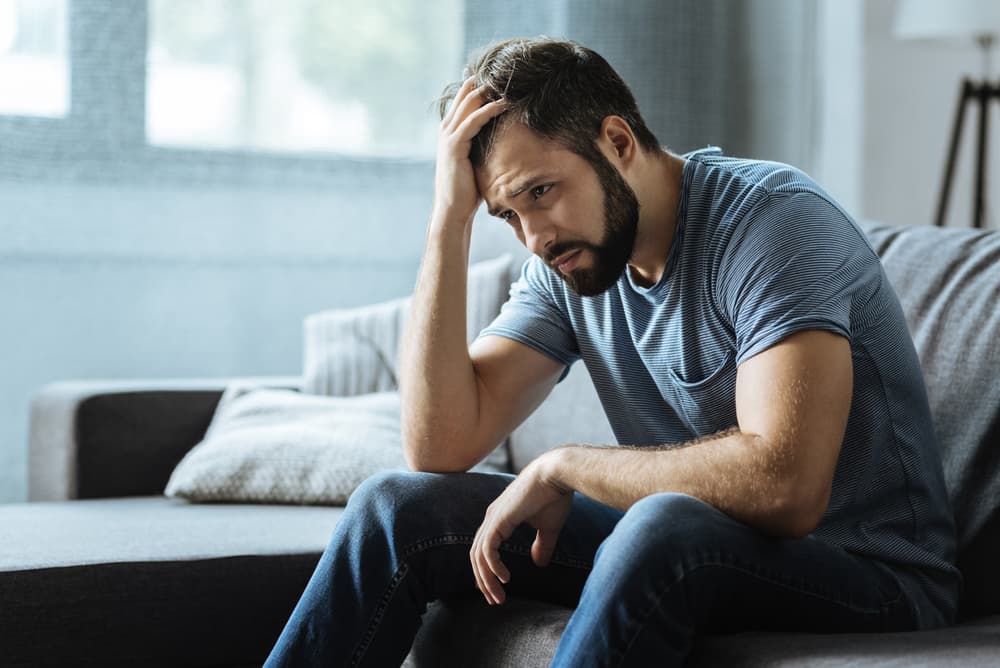
Being emotionally blocked means having an unhealthy relationship with your emotions. You may be unable to express and communicate them, or you might experience difficulties understanding why you feel the way you do. It is a defense mechanism that keeps us from coming to terms with our emotions, thinking clearly, and taking forward action. 

Emotional blockage can be quite difficult to deal with. You may be fighting hard to avoid or ignore your emotions, which instead makes them even more overpowering and pervasive. Instead of going away, your emotions will bubble up, leaving you confused, easily triggered, and prone to lashing out. What’s more, intense emotional blockage can also cause severe anxiety and depression. All of this can affect many aspects of your life, including your behavior, cognitive skills, work, friendships, and relationships. 

What Causes Emotional Blockage?

Emotional blockages are typically caused by negative, traumatic, or stressful situations and events the individual is not prepared or used to dealing with. These may include: 

  • Abuse and traumatic experiences 
  • Death of a loved one 
  • Relationship breakups or turbulences 
  • Employment status changes 
  • Unexpected moves or lifestyle changes 
  • Diagnosis of serious medical illnesses 

You can also become emotionally blocked by positive events such as news of pregnancy, promotions, unexpected visits. In general, emotional blockage can be a natural response to a wide range of shocking events, as we need time to process the new information and the changes that may come from it. 

Is It Bad To Hold Back Your Emotions?

Choosing to bury your feelings can lead to a variety of issues, both internally and externally. If you don’t react to a stressful situation by letting out the painful emotions or at least acknowledging them, you may start to withdraw from others, react inappropriately, experience anger outbursts, or fall into apathy. Ultimately, you’ll most likely be unable to resolve your emotional, social, or professional issues unless you express and deal with your emotions. 

What Happens If You Hold In Your Emotions?

Suppressing painful emotions can lead to a range of psychological and physical stress on your body. Here are some concrete examples of how emotional blockages can affect the quality of your life: 

Addictions 

Bottling up emotions can lead to substance abuse, whether it’s with alcohol, antidepressants, or drugs. If not addressed, addictions can further worsen your emotional situation. 

Anger Issues

If you keep suppressing hurtful emotions, burying them as deep as they can go, they’ll inevitably push back at some point, pouring out in intense bursts of anger. If you notice yourself lashing out at people close to you, take a step back and think about what you may be avoiding. 

Social Problems

Withdrawing from others, lashing out, and being emotionally unavailable can negatively impact your relationships. You may distance yourself from your romantic partner, struggle to maintain some of your friendships, or fail to build strong professional relationships. 

Mental Exhaustion

When you suppress emotions, you may also suppress a memory of an event or situation that has hurt you or made you feel uncomfortable. As you can’t actually forget something on purpose, your mind will have to work extra hard to avoid thinking about the memory in question, often causing mental exhaustion.  

Migraines And Headaches

The unaddressed emotional stress can tighten your brow and forehead muscles, reducing blood flow and causing headaches and migraines. 

Decreased Lifespan 

Not dealing with your emotions can cause a number of other health issues, including stomach problems, weight gain, and even increased cancer risks. In fact, suppressing emotions may increase your chances of premature death by as much as 30 percent. 

How Do You Release Emotional Pain?

Is It Bad To Hold Back Your Emotions

Nobody enjoys feeling sad, angry, ashamed, or humiliated. Still, not acknowledging these feelings and lying to yourself will get you nowhere, and can actually make things much worse. Here’s how you can start dealing with your emotions and working on a healthier, less stressful life: 

  • Unleash emotion through movement. Physical activity, even just a tiny bit of it, can help you feel better and release your blocked emotions. Jump, run, dance, or exercise – it will help you both physically and emotionally. 
  • Stay with your feelings. Give yourself time to feel your anger, sadness, or guilt. Sit with your emotion, analyze it, and try to accept it. You can try listening to music, discussing your emotions out loud, or just letting yourself cry it out. 
  • Understand why you feel the way you do. Ask yourself: Why do I feel this way? What am I reacting to? Understanding the cause of your unpleasant emotions can help you accept and integrate them. 
  • Write down your thoughts and feelings. Journaling is another great way to better understand and more easily accept emotions. Once you start putting them down on paper, you might feel silly at first, but your emotions will most likely start pouring out eventually. 
  • Seek professional help. While you can achieve great results by working on your emotions on your own, seeking professional advice and insight can further improve your ability to integrate negative emotions and use them to power positive change.  

Find Release Through Expert Relationship Intimacy Coaching

If you struggle to let out your emotions and maintain strong relationships, know that you can facilitate positive behavioral change with the right kind of help. At PIVOT, we strive to help individuals and couples understand and integrate their emotions and find relief from emotional pain. Whether you choose to try our transformative emotional coaching for individuals or attend one of our deeply insightful relationship workshops, rest assured that our PIVOT Coaches will give you the tools and resources you need to heal your emotional wounds. Contact us today.

Anger & The Underlying Sadness: How To Stop Them From Affecting Your Relationships

We all seek love and harmony in our relationships. By many accounts, we often hear that anger doesn’t have a place in a happy, balanced relationship. This is quite a bit off the mark, as anger is an inevitable part of life, particularly when two individuals live together, seeing each other every single day. 

Contrary to a common misconception, anger is not necessarily a negative emotion. In fact, feeling angry is a natural reaction to perceived unfairness, an insult, frustration, and aggression. Unfortunately, anger has been linked with aggression, and that is why so many people perceive it as a necessarily negative thing. 

Still, regardless of the nature of anger, the problem arises when we are unable to understand and deal with our anger and stop it from affecting your relationships. In such cases, speaking with a relationship coach can be of immense benefit in helping you integrate unpleasant emotions and minimize anger outbursts. 

Keep reading to learn more about anger and what you can do to release it in a healthy way. 

Why Am I So Angry In Relationships?

How Does Anger Affect Your Relationships

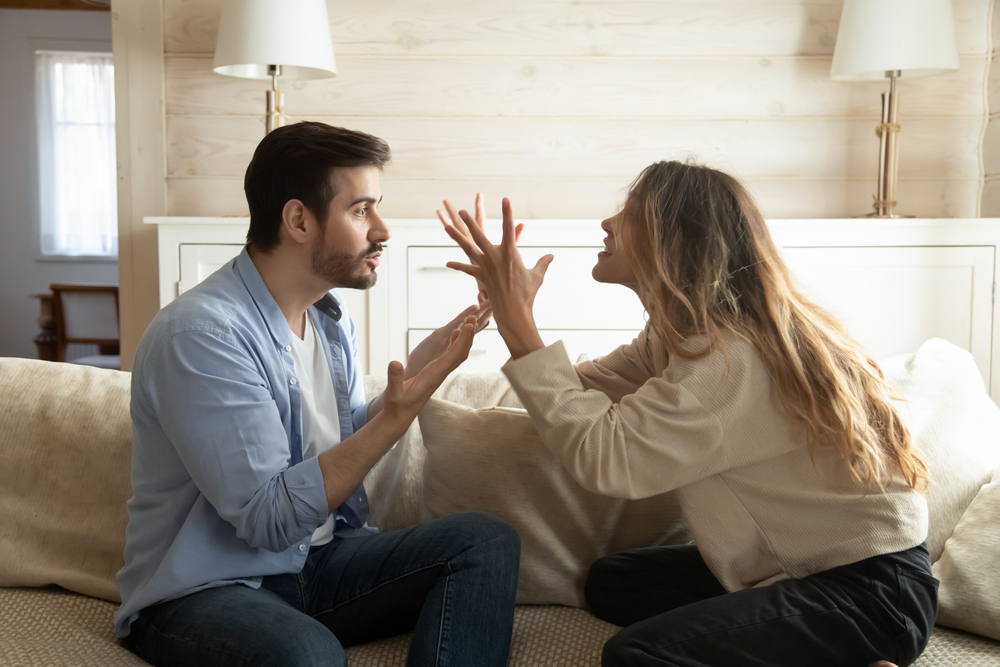
There’s a myriad of possible reasons why you might feel angry in your relationship. For one, you may think that your partner criticizes you too much, or they may be overly jealous and insecure. Or you may have your own bottled up emotions that might bubble up to the surface in the form of anger outbursts. It is also possible that you and your partner may be stuck in an anger cycle, where your own anger and destructive behavior drive your partner’s daily anger and frustration, and vice versa. 

How Does Anger Affect Your Relationships?

Uncontrolled and untreated anger can have a largely negative impact on your personal relationships. Here are some ways in which unmanaged anger can put a strain on your relationship: 

Breeds Fear And Distrust 

If you constantly lash out at your partner in anger, it is entirely likely that they will start to fear your reactions. Instead of being able to confide in you and calmly discuss problems, they may start to avoid conflicts altogether for fear of causing an angry outburst. 

Causes Frustration And Tension

Anger can also lead you to jump to conclusions, cast blame, or even insult your partner. Even if your partner is well aware that you don’t mean everything you say when you’re angry, they’ll most likely feel tense around you and feel frustrated with your short temper. 

Creates Resentment And Bitterness 

Instead of lashing out, you may have a tendency to bottle your anger up, which is no less damaging to your relationship. This causes feelings of bitterness and resentment both for you and your partner, as you may simmer with anger but avoid conflicts, deepening the distance between the two of you

What Are The Three Types Of Anger?

Not everybody expresses anger in the same way. Understanding the different kinds of anger can help you understand your own and possibly find ways to healthily resolve it. Three common types of anger are: 

Passive-Aggressive Anger 

Many people don’t like admitting that they feel angry as it makes them feel weak or they simply wish to avoid confrontation. Instead of showing your anger openly, you may sulk, go silent, or pretend that everything is fine when it’s not. Passive-aggressive anger can simmer beneath the surface, popping out in small bouts of annoyance, bitterness, and even manipulation. 

Hostile Anger

Unlike passive-aggressive anger, hostile or openly aggressive anger means being verbally or physically aggressive when expressing anger and rage. This type of anger often manifests itself though fighting, sarcasm, criticism, shouting, and physical aggression. 

Assertive Anger

The third type of anger is basically a balance between the two. While you shouldn’t avoid conflicts altogether and bottle up your anger, aggressiveness is rarely a good solution either. But expressing anger can also be healthy – if you feel angry but are able to remain calm and clearly and confidently express why you feel that way, you have probably mastered the art of assertive anger. This form of anger also entails patience, a willingness to listen to the other side, not resorting to casting blame, and not raising your voice. 

Is Anger A Form Of Sadness?

While anger is definitely intense and fiery, it is actually a secondary emotion. This means that a primary emotion, such as sadness or fear, can usually be found behind the expressed anger. 

Since most of us aren’t comfortable with sadness and fear, as it makes us feel out of control and vulnerable, we have to find a suitable coping mechanism. Anger is a particularly effective way of coping with these primary feelings as it helps us create a semblance of control and give us an energy boost. Essentially, anger is a tool for creating a feeling of power and control when we feel particularly vulnerable.  

How Do You Release Anger And Sadness?

What Are The Three Types Of Anger

There are healthy ways to release your anger and the sadness or fear that underpin it. Try: 

  • Awakening your anger. The first step you can take is to get your anger bubbling and percolating inside of you. Once you get stirring, try focusing on your breath. Being mindful of your anger will keep you in the moment, enabling you to experience the emotions and sensations in full power. 
  • Writing it out. Writing and journaling are an incredibly effective way to release emotional energy and get the emotions moving. Make it a habit to spend a bit of time each day writing down your angry thoughts without judgment. 
  • Connecting with others. Naturally, it can be humiliating to talk to other people about your angry outbursts and feelings. Still, some of them may have had similar experiences to yours and might be able to offer useful insight. 
  • Making sense of your anger. If you’re unaware of the reason behind your anger, it’s unlikely that you’ll be able to get it out of your system in a healthy way. Try to determine the core wound that triggers your angry feelings and make sense of it. 
  • Shaking it off. Physical movement and exercise are a powerful tool for getting some of that anger out. Whether you decide to throw rocks, take up boxing, or simply shake your limbs, the physical release you feel will help you release emotions as well. 

Visit A Relationship Coaching Retreat For Individuals & Integrate Your Anger 

Are you ready to let your guard down and embrace the sadness and fear that underpin your anger? At PIVOT, we offer professional and compassionate assistance to individuals and couples in the forms of a wide range of transformative relationship workshops and coaching sessions. Contact us today and start your journey to a more balanced emotional life.

Anger & The Underlying Sadness: How To Stop Them From Affecting Your Relationships

We all seek love and harmony in our relationships. By many accounts, we often hear that anger doesn’t have a place in a happy, balanced relationship. This is quite a bit off the mark, as anger is an inevitable part of life, particularly when two individuals live together, seeing each other every single day. 

Contrary to a common misconception, anger is not necessarily a negative emotion. In fact, feeling angry is a natural reaction to perceived unfairness, an insult, frustration, and aggression. Unfortunately, anger has been linked with aggression, and that is why so many people perceive it as a necessarily negative thing. 

Still, regardless of the nature of anger, the problem arises when we are unable to understand and deal with our anger and stop it from affecting your relationships. In such cases, speaking with a relationship coach can be of immense benefit in helping you integrate unpleasant emotions and minimize anger outbursts. 

Keep reading to learn more about anger and what you can do to release it in a healthy way. 

Why Am I So Angry In Relationships?

How Does Anger Affect Your Relationships

There’s a myriad of possible reasons why you might feel angry in your relationship. For one, you may think that your partner criticizes you too much, or they may be overly jealous and insecure. Or you may have your own bottled up emotions that might bubble up to the surface in the form of anger outbursts. It is also possible that you and your partner may be stuck in an anger cycle, where your own anger and destructive behavior drive your partner’s daily anger and frustration, and vice versa. 

How Does Anger Affect Your Relationships?

Uncontrolled and untreated anger can have a largely negative impact on your personal relationships. Here are some ways in which unmanaged anger can put a strain on your relationship: 

Breeds Fear And Distrust 

If you constantly lash out at your partner in anger, it is entirely likely that they will start to fear your reactions. Instead of being able to confide in you and calmly discuss problems, they may start to avoid conflicts altogether for fear of causing an angry outburst. 

Causes Frustration And Tension

Anger can also lead you to jump to conclusions, cast blame, or even insult your partner. Even if your partner is well aware that you don’t mean everything you say when you’re angry, they’ll most likely feel tense around you and feel frustrated with your short temper. 

Creates Resentment And Bitterness 

Instead of lashing out, you may have a tendency to bottle your anger up, which is no less damaging to your relationship. This causes feelings of bitterness and resentment both for you and your partner, as you may simmer with anger but avoid conflicts, deepening the distance between the two of you

What Are The Three Types Of Anger?

Not everybody expresses anger in the same way. Understanding the different kinds of anger can help you understand your own and possibly find ways to healthily resolve it. Three common types of anger are: 

Passive-Aggressive Anger 

Many people don’t like admitting that they feel angry as it makes them feel weak or they simply wish to avoid confrontation. Instead of showing your anger openly, you may sulk, go silent, or pretend that everything is fine when it’s not. Passive-aggressive anger can simmer beneath the surface, popping out in small bouts of annoyance, bitterness, and even manipulation. 

Hostile Anger

Unlike passive-aggressive anger, hostile or openly aggressive anger means being verbally or physically aggressive when expressing anger and rage. This type of anger often manifests itself though fighting, sarcasm, criticism, shouting, and physical aggression. 

Assertive Anger

The third type of anger is basically a balance between the two. While you shouldn’t avoid conflicts altogether and bottle up your anger, aggressiveness is rarely a good solution either. But expressing anger can also be healthy – if you feel angry but are able to remain calm and clearly and confidently express why you feel that way, you have probably mastered the art of assertive anger. This form of anger also entails patience, a willingness to listen to the other side, not resorting to casting blame, and not raising your voice. 

Is Anger A Form Of Sadness?

While anger is definitely intense and fiery, it is actually a secondary emotion. This means that a primary emotion, such as sadness or fear, can usually be found behind the expressed anger. 

Since most of us aren’t comfortable with sadness and fear, as it makes us feel out of control and vulnerable, we have to find a suitable coping mechanism. Anger is a particularly effective way of coping with these primary feelings as it helps us create a semblance of control and give us an energy boost. Essentially, anger is a tool for creating a feeling of power and control when we feel particularly vulnerable.  

How Do You Release Anger And Sadness?

What Are The Three Types Of Anger

There are healthy ways to release your anger and the sadness or fear that underpin it. Try: 

  • Awakening your anger. The first step you can take is to get your anger bubbling and percolating inside of you. Once you get stirring, try focusing on your breath. Being mindful of your anger will keep you in the moment, enabling you to experience the emotions and sensations in full power. 
  • Writing it out. Writing and journaling are an incredibly effective way to release emotional energy and get the emotions moving. Make it a habit to spend a bit of time each day writing down your angry thoughts without judgment. 
  • Connecting with others. Naturally, it can be humiliating to talk to other people about your angry outbursts and feelings. Still, some of them may have had similar experiences to yours and might be able to offer useful insight. 
  • Making sense of your anger. If you’re unaware of the reason behind your anger, it’s unlikely that you’ll be able to get it out of your system in a healthy way. Try to determine the core wound that triggers your angry feelings and make sense of it. 
  • Shaking it off. Physical movement and exercise are a powerful tool for getting some of that anger out. Whether you decide to throw rocks, take up boxing, or simply shake your limbs, the physical release you feel will help you release emotions as well. 

Visit A Relationship Coaching Retreat For Individuals & Integrate Your Anger 

Are you ready to let your guard down and embrace the sadness and fear that underpin your anger? At PIVOT, we offer professional and compassionate assistance to individuals and couples in the forms of a wide range of transformative relationship workshops and coaching sessions. Contact us today and start your journey to a more balanced emotional life.

Attraction & Falling in Love: Which Factors Influence Our Choices?

Most people look for life-long partners or at least a committed relationship. But what determines our choice of partners? Why do some individuals attract us more than others? Psychologists and behavioral researchers have long been trying to find an answer to these questions, and it’s safe to say that they’ve come up with a number of valid observations.  

Finding a compatible partner can be an easy task for some, and a nightmare to others. If you are having a hard time establishing lasting relationships, reaching out to a relationship coach online can be of great help in understanding the laws of attraction. In the meantime, keep on reading to learn which factors determine our relationship choices. 

How Do Humans Choose Their Partners?

What Determines Who We Fall In Love With?

There are two main perspectives when it comes to the way we choose our partners – evolutionary theory and social role theory. Here’s what each of these theories proposes. 

Evolutionary theory 

The evolutionary theory of human attraction focuses on the idea that we are attracted to personality features, physical traits, and behavioral tendencies that increase our chances of reproduction and survival. 

From an evolutionary standpoint, women are attracted to men who can protect them and their children, hence the focus on economic status and power in the modern day and age, whereas men are attracted to younger, fertile women. 

Social role theory 

But, naturally, our biological build isn’t the only thing that influences attraction. In fact, our relationship choices are also dictated by our roles in society, which tend to shift over time along with social norms. For instance, the social climate of today is vastly different from that of a hundred years ago, with both men and women working full time and occupying increasingly more similar roles in society. 

This means that we may start to value the social and economic status of our partners equally, regardless of gender. The bottom line here is that shifts in our culture also have an impact on who we find attractive. 

Subjective reasons 

Although society and biology both play a significant role in attraction, our subjective internal processes aren’t necessarily rational and don’t follow evolutionary and cultural mandates. What’s more, our conscious will may often have little say in the matter. Ultimately, our heart tends to have a way of its own. 

What Determines Who We Fall In Love With? 

Within the social, biological, and subjective categories, there are several individual factors that can lead us to choose one partner over another. Some of them are: 

  • Compatibility: you may be more attracted to someone if they have similar values, beliefs, and interests to yours, although you might also be attracted to someone with intriguing differences
  • Familiarity: your chances of falling in love can be increased if you spend quite a bit of time with someone. This may be at work, in school, or other social situations. The more you’re familiar with someone, the more likely you’ll be to fall in love. 
  • Reciprocity: it has been shown that we are more likely to be attracted to someone if we feel like they like us back, although attachment issues may cause attraction to emotionally distant individuals
  • Being alone with someone: your chances of falling in love will be greater if you spend a great deal of time alone with someone, especially if other factors are at play too. 
  • Self-esteem: if you struggle with confidence and self-esteem, your standards may be lower than they should be. This can make you more vulnerable to falling in love. 
  • Excitement: generally, we tend to be attracted to intriguing, mysterious individuals. If a person excites you with their presence and behaviors, you’ll be more likely to fall for them. 
  • Family: our parents and siblings also have a say in our choice of partners, although you may not consciously be aware of their influence. While it’s common that children choose partners who fit their parents’ preferences, some may also rebel against their family’s expectations. 

Is Attraction A Choice?

While you might fall in love with someone based on unconscious subjective, social, or evolutionary factors, that is not to say that love is not a choice, although initial attraction may not be. 

Let’s say you feel a strong attraction to someone and enter a relationship with them. The initial infatuation may last for a couple of months, or maybe years. But once it fades, you will need to make a conscious decision to stay in the relationship and make it work. At the end of the day, love is both a feeling and a choice. 

We like to say that love is a verb. How you act and express yourself to another person can be loving – or it can be hurtful.  Being “in love” with someone will require a level of respect for one another. How you treat your partner – the one you say you are in love with – matters. 

Does Our Relationship With Our Parents Affect Our Relationship Choices? 

The relationship you have with your parents or primary caregivers can have a significant impact on your love life. Here are some ways in which your parents influence your relationship choices: 

  • Being raised by abusive caregivers can make you more willing to accept emotional abuse in your adulthood. For instance, if your parents fought in front of you while you were young, you’ll be more likely to follow suit. 
  • The relationship with your parents can influence your relationship with intimacy. If your parents or caregivers were affectionate with you and with each other, you’ll be less likely to be emotionless and distant in your relationships
  • Your childhood can also have an impact on how trusting you are in relationships. Inheriting deeply rooted trust issues from your parents can make finding a suitable partner or keeping one more challenging for you. 
  • Your craving for independence is also directly linked to your relationship with your caregivers. If your parents love each other but understand that time apart also matters, you’ll be more likely to seek out partners who value the same things. 

Visit Our Couples Retreat Relationship Workshop & Find Balance In Love

Is Attraction A Choice?

Are you tired of failed relationships and being let down in love? No matter what the reason for your relationship struggles may be, speaking to professionals can help you heal your core wounds and transform your love life. 

PIVOT is here to help you navigate the dating world with confidence. You can find deep and meaningful insights in our individual coaching sessions, as well as our evidence and expertise-based relationship workshops. Reach out to a PIVOT Advocate today! 

Emotional Distancing: What It Is & What Causes It?

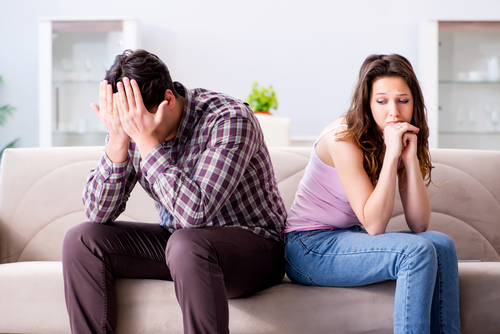
You weren’t emotionally distant when choosing your partner and in the beginning of your relationship. Something must have happened during the course of the relationship that has caused either you or your partner to become emotionless. Once you start holding back your emotions, you start allowing anger to enter the relationship, which is a recipe for a quick end.

It’s not healthy to allow emotional distancing to fester in the relationship. You want to be aware of what emotional distancing is and what causes it, and try to detect the reasons behind you becoming emotionally distant. It’s always best to consult an experienced relationship advocate to help you, however you first need to know what and why it is happening to you.

What Is Emotional Distancing?

Emotional distancing, or emotional detachment, is the inability of an individual to completely engage with their own feelings, or the feelings of others. Severe emotional distancing can start interfering with a person’s social, emotional, psychological, as well as physical development. 

Emotional distancing can be temporary, in response to a stressful or unpleasant situation, or ongoing, which appears in people who suffer from attachment disorders. Whatever kind of emotional distancing you’re experiencing, you should try and find professional assistance to help you cope with it and overcome it.

Common Symptoms of Emotional Distancing

Some of the most common symptoms of emotional distancing, be it in a relationship or with loved ones, are the following:

  • Suffering from low self-esteem
  • Becoming completely ambivalent
  • Exhibiting very bad listening skills
  • Constantly challenging intimate relationships
  • Not opening up or having great difficulty doing so
  • Experiencing lack of verbal, physical, or sexual contact

What Causes Distance In A Relationship?

What Causes Distance In A Relationship?

Emotional distancing in relationships can be caused by several different factors. Determining the cause behind you or your partner becoming emotionally distant is the first and vital step in overcoming such emotional problems. Here are the most common causes of emotional distance in relationships:

  1. Alone time: Sometimes, it all begins with a benign reason as craving some alone time. If you or your partner do not have sufficient time to dedicate to yourselves, you should try discussing it and finding some time for you and you alone. 
  2. Emotional distress: If you or your partner have recently suffered severe emotional strain, it can be what triggered the act of emotional distancing. Experiencing extreme emotions can lead to an individual withdrawing and becoming emotionally distant for a time.
  3. Love lost: Sometimes, you or your partner are no longer as emotionally invested in your relationship as you used to be. Losing interest in the relationship, not putting enough effort and avoiding intimacy are different factors that can lead to problems with emotional attachment.
  4. Avoiding and pursuing: Sometimes, you can start feeling that your partner is too needy, or vice versa. This leads to taking an emotional step back which, in turn, leads to your partner pushing even harder for answers and explanations, which quickly turns into a vicious cycle of pushing and falling back, climaxing in complete emotional detachment.
  5. Criticism: When you or your partner begin to experience emotional distance, it can quickly become really hurtful. One of you will then start to become overly critical of the other, leading to emotional withdrawal and further emotional distancing. This withdrawal will make you feel even more distressed, which will lead to even more criticism, without an end in sight.

Whatever the causes and the reasons behind emotional distancing, it’s paramount that you consult an experienced relationship advocate to help you get through it all. Otherwise, you and your partner risk imprinting further emotional damage onto each other.

What Does It Mean When You Distance Yourself From People?

Sometimes, the cause behind becoming emotionally distant is simply a lack of excitement in your life. As simple as this may sound, the feelings you’re experiencing are still hard and difficult to deal with. 

Distancing yourself from people close to you, be they your partner, your family, or your friends, is never easy, and you may want to try to do something to change it. Here’s what you can try to do when you feel that your life has become stale and that it’s causing you to take a step back from the important people in your life:

  1. Get a pet

    The affection pets show can help promote emotional bonding, and their natural excitability can help you find the excitement you’ve lost.

  2. Drives and walks

    Start taking long walks in beautiful settings, or start taking your car for drives through interesting and exciting scenery. Try to promote interaction with the environment to stop yourself from feeling dull and isolated.

  3. Learn a skill

    Try finding a new hobby, challenge yourself in fields you haven’t tried before, try to learn how to play an instrument. Find something to become engaged in, and let it embellish your daily life.

  4. Find new friends

    Sometimes, you need a fresh friendship to take you out of the rut you’re finding yourself in. They can show you new experiences, open you up to new events, and show you a completely different side of life.

  5. Consult a professional

    Finally, if all else fails, consult an experienced advocate who can help you cope with and overcome the emotional problems you’re facing.

Why Am I Distancing Myself From My Partner?

If you notice that you’re starting to emotionally distance yourself from your partner more and more, it’s time to take a look at some of the reasons why that might be happening. There are three main reasons why you might be distancing yourself from your partner:

  1. Prolonged distance: Couples go through different emotional periods together. Sometimes, they feel more distant, while sometimes they feel close to each other. However, if you stop spending time together, enjoying engaging activities, or start spending prolonged time away from each other, you can become more and more emotionally distant unless you change these habits.
  2. Unresolved conflicts: Experiencing conflicts in relationships is normal. However, you should always try to resolve those conflicts and not leave matters unfinished. Unresolved issues can cause long-term resentment, which can lead to severe emotional distancing between you and your partner.
  3. Poor sexual connection: Finally, if you’re experiencing a prolonged period of sexual inactivity between you and your partner, this may be a signal that you’re growing further and further apart emotionally. 

Join PIVOT Workshops & Overcome Intimacy Problems In Your Relationship

What Is Emotional Distancing?

Losing emotional attachment to your partner or loved ones is never easy. Becoming distant in a relationship is hard on both parties involved, and it can exert horrible emotional toll on both partners. 

However, there is a way to solve such intimacy problems in a relationship, and it is best to start working on resolving your emotional distancing issues with an experienced relationship advocate. 

PIVOT is your safe sanctuary where you can get in touch with your inner self and learn how to connect with your partner all over again. We organize relationship retreats and workshops for you and your partner, while you can choose to have individual coaching sessions with a team of our experienced advocates. PIVOT is here to help you feel again. Contact us today!

Finding A Compatible Partner: Is It Better To Be Different Or Similar?

Sometimes, we have no control over choosing our partners. We meet someone, fall in love, and the rest takes care of itself. However, sometimes the relationship takes a sour turn, and we transition from idealizing our partner, to becoming codependent on your partner, to completely distancing ourselves from our partner. Not all relationships have a happily ever after.

And, if you’ve experienced one or several unhappy endings, you might find yourself questioning your ability to find a compatible partner for yourself. There is no room for despair, as choosing poorly happens to everybody. You can always try to consult a professional relationship advocate, but you should first try to learn how to try to find a suitable partner for yourself.

Is It Better For Couples To Be Similar Or Different?

In romantic and other types of relationships, it’s not uncommon for partners to share the same personality traits. On the other hand, there are individuals who have different, that is, complementary personalities, yet they work perfectly well together. 

So, do you choose a partner who has personality traits similar to yours, or do you try to find the perfect partner that complements your character?

The answer is that there is no definite answer, as there rarely is when it comes to the matters of the heart. There are pros and cons to both types of partners – those that are a bit different than you, as well as those that you find to be quite similar.

The Appeal Of Opposites

Some people prefer to be with a partner that shares character traits different from theirs. This allows them to grow while in a relationship, look up to their partner, and try to adopt the features they think they lack. 

Also, some individuals perceive relationships as teams, and they find it favorable to have varying strengths and weaknesses that contribute to the complementary nature of their relationship. If you find you function perfectly with a partner who is your opposite, then you have your answer.

The Significance Of Similarities

However, research suggests that it is similarities rather than complementary personality traits that help couples persevere. The University of Kansas performed a study that included 1532 couples. In 86% of the cases studied, couples that were similar in nature lasted longer.

However, it has to be noted that similar couples are in no way identical. Each person is different, and we all share different values, beliefs, and desires. It is about finding the balance between being similar enough to withstand the tests that inevitably occur in relationships, but to still possess some crucial differences that allow both you and your partner to prosper in the relationship.

Do Opposites Really Attract?

Do Opposites Really Attract?

It may be possible to provide a simplified answer to the questions of whether opposites really attract and conclude that people benefit from choosing their romantic partners based on their own preferences and feelings. However, delving deeper into the matter reveals that, at least statistically, the opposites-similarities conundrum is a bit more complicated.

Experientially, there are four major zones of couple compatibility that influence how sustainable a relationship will be in the long term. It is these crucial differences between partners that can influence the long-term viability of a relationship.

  1. World views

    If you and your partner share diametrically opposed views on life, it is difficult to imagine a non-conflicting, harmonious relationship. This doesn’t mean that differing ideas on life are a big no.

    Having a partner who is different in areas of life that are not considered crucial for the survival of a relationship can help keep things stimulating. However, differences in money management, raising children, political or religious views can lead to strong arguments and, ultimately, end the relationship.

  2. Basic activities

    Choosing a partner who predominantly likes to engage in activities similar to yours is one of the pillars of a successful relationship. This allows you to share quality time together enjoying fun and interesting activities.

    Again, this doesn’t mean that you need to become joined at the hip. Each partner can retain a couple of independent activities that will help them retain their own personalities in a relationship.

  3. Sexual relations

    Varying sexual drives between partners can be a cause of some of the biggest problems in relationships. If one partner desires sexual activity a few times a week, while the other is content with a couple of times a month, it will be difficult to attain relationship bliss.

  4. Basic temperament

    Similarities in temperament are also crucial for a lasting relationship. While smaller differences in temperament are desirable to keep things fresh, extreme differences such as a very introverted and a very extroverted partner will ultimately see their differing social appetites cause problems in their relationship. 

Can Two People Be Too Similar?

When two people in a relationship are very similar they can allow their relationship to become stale. When the two partners share too many personality characteristics, it can lead to an overly predictable relationship, which takes the fun out of it.

Also, being with an overly similar partner for a long time can lead to both of you becoming too comfortable in a relationship. This can get you stuck in a rut, causing you to start drifting apart. 

However, all this sounds a lot worse than it has to be. Relationships between similar individuals last longer and are a lot more sustainable in the long run. They just require some work, as all relationships do. Try to recognize the “slow” periods of the relationship, and put in some work to get things going again.

How Do I Choose A Compatible Partner?

Choosing a compatible partner is not easy. In fact, it is one of the most difficult things we all face in our lives. Some get lucky, while others put in a lot of work into their relationships, only to find them end with tears. But how can a person choose a compatible partner? Is there really a checklist that can help us achieve relationship bliss?

There isn’t. That being said, there are several things you can change in the way you approach your romantic interests that can help you find a partner that is compatible with you. Here’s what you can do if you keep finding yourself in poor relationships:

  • Don’t rush into committed relationships.
  • Make sure you share important views on life
  • Try to find a partner that you can be yourself with.
  • Don’t substitute sexual attraction for relationship potential.
  • Stop looking for the same qualities in your romantic partners.
  • Don’t expect your partner to change in order to abide by your standards.
  • Try stepping out of your comfort zone and try to get to know different people.
  • Finally, don’t hesitate to seek help from an experienced relationship advocate.

Learn About Yourself & Other at PIVOT Relationship Coaching Retreat For Singles

Can Two People Be Too Similar?

Perhaps you’ve been in multiple relationships but you’ve never managed to find the person who is completely right for you. Maybe you’ve never met someone you wanted to form a relationship with. Whatever the reason, seeking help with finding your significant other is nothing to be ashamed of, and experienced PIVOT advocates are here to help you find love.

Our dating module has helped many people have successful outcomes with dating.  We also have a PIVOT Dating with Purpose Series which is a four week course with a small group that can help write a profile based in reality!  

Our specialized couples workshops and retreats are great for assisting you with finding your match, while our individual coaching sessions alongside a team of experienced advocates can help you learn more about yourself and what you’re looking for. We’re here to help you out any way we can. Contact us today!

Here’s Why You’re Jealous in Relationships & How You Can Stop

Jealousy and love go hand in hand. At least that’s what we’ve been led to believe. Unfortunately, the causes of jealousy have little to do with love and more to do with insecure attachments we create in our childhoods. 

If you are struggling with jealous behaviors in your relationship, you should start with uncovering the core reason for your jealousy. One of the ways to go about building trust in a relationship is to attend an intensive workshop for couples. This is a great way to better understand your behavioral patterns, whether you’re experiencing problems with low self esteem or have a tendency to lie to yourself about the relationship

In this article, you will learn what typically causes jealousy and how you can overcome your insecurities that lead to being jealous. Read on. 

What Is The Root Cause Of Jealousy?

Is Jealousy A Sign Of Love Or Insecurity?

Jealousy is an emotional response to being afraid of losing someone or something we consider ours. It is typically accompanied by feelings of exclusion and abandonment. But why are some of us more prone to jealousy than others?  What causes jealousy in the first place? 

Just like with many other behavioral patterns, such as being dishonest in relationships or experiencing codependent and/or controlling behavior, jealousy stems from our early childhood and the attachment we create with our parents or primary caregivers. If your need for affection is not met during your childhood, you can develop a deep insecurity which gives rise to jealousy and influences all of your adult relationships. 

Jealousy is also closely intertwined with abandonment issues. A child whose emotional needs are not met is likely to develop obsessive and jealous behavioral traits, mimicking the dynamics they experienced in childhood in their adult relationships. 

Is Jealousy A Sign Of Love Or Insecurity?

Although many seem to think that jealousy is a sign of love, it is insecurity that is the key factor behind jealous behaviors. While a little bit of jealousy is perfectly normal in some relationships, it can cause a great deal of harm unless it’s kept under control. Here are some insecure traits that may cause jealousy in your relationship: 

  • Low self esteem 
  • Dependency 
  • Neuroticism 
  • Feelings of inadequacy 
  • Anxious attachment 

If you or your partner are exhibiting jealous behaviors, you should always keep in mind that jealousy is all about the person experiencing it. That is why understanding the core wounds and insecurities and expressing them openly is essential for creating meaningful and stable relationships. 

Is Jealousy A Symptom Of Anxiety?

Just like with many other areas in your life, anxiety can have a detrimental effect on your romantic relationships. In fact, anxiety, particularly its paranoid aspects, can be closely linked to jealousy.

If you are dealing with anxiety, it is very likely that you are prone to overthinking. You think and worry about the past, present, and future constantly. These negative thoughts can cause a wide range of issues in your relationships, including: 

  1. Worst-case scenarios

    Anxiety can lead you to imagine all of the worst ways your relationship can go. Even if you and your partner are getting along great, you may imagine that they are cheating or planning to break up with you.

  2. Fear of abandonment

    Similarly, your anxious thoughts can convince you that your partner will leave you because of your anxiety or because they found somebody else who is better than you.

  3. Feeling that you’re not good enough

    you may be jealous because you feel deep down that you’re not worthy or lovable. Low self esteem is one of the primary causes of jealousy and its results can often be exacerbated in anxious individuals.

How Do I Stop Being Jealous And Insecure?

Although jealousy may be deeply rooted, it can be overcome, if not entirely eradicated. Here’s how you can deal with jealous behaviors in your relationship: 

Communicate 

Suppressing angry or otherwise unpleasant feelings is rarely the way to go. Make sure to express your jealousy openly and calmly to your partner, enabling them to see why you feel the way you do. Being open about the less pleasant aspects of relationships such as jealousy is key to creating stable and harmonious connections. 

De-Stress 

As we’ve already mentioned, anxiety and stress are closely linked to jealousy. This is why meditation, good diet, and physical exercise can help keep your stress levels low and prevent jealous outbursts. Make sure to give yourself time to wind down on a regular basis. 

Seek Reassurance 

Of course, constantly asking your partner if they love you is not the best way to overcome your jealousy. Nevertheless, you should be honest with your partner as well as try to understand their perspective. If they are willing to understand you, they may be able to reassure you to some extent and make you feel more secure. 

Focus On Yourself 

Picking up a hobby and spending time with friends can help you divert your attention from your partner and curb your jealousy in the process. Make sure to set enough time aside to do the things that interest you and don’t require the presence of your partner. 

Remind Yourself Of Your Worth 

Jealousy doesn’t make you a bad person – far from it. In order to overcome your jealous traits, you need to understand why you are the way you are. You can do this by uncovering and analyzing your core emotional wound and realizing that you are much more than just your anxiety and jealousy. 

Reach Out to Experts 

If you can’t get your jealous behaviours under control, your relationship is bound to suffer. Luckily, you can rely on experienced relationship coaches to help you overcome jealousy and create healthier emotional attachments. 

PIVOT Couple Workshop: Your Best Choice For Deepening A Relationship

Is Jealousy A Symptom Of Anxiety?

Overcoming jealousy is necessary for creating harmonious relationships. At PIVOT, we strive to provide individuals and couples with knowledge and support that will enable them to understand their emotional attachments and curb jealous behaviors. 

Whether you choose to find support in our intensive couple workshops or try to deal with your jealousy through our knowledge-based individual coaching sessions, rest assured that our PIVOT Advocates will help you find peace and balance in your emotional life. Contact us today!