
Enmeshment: Examples & Signs

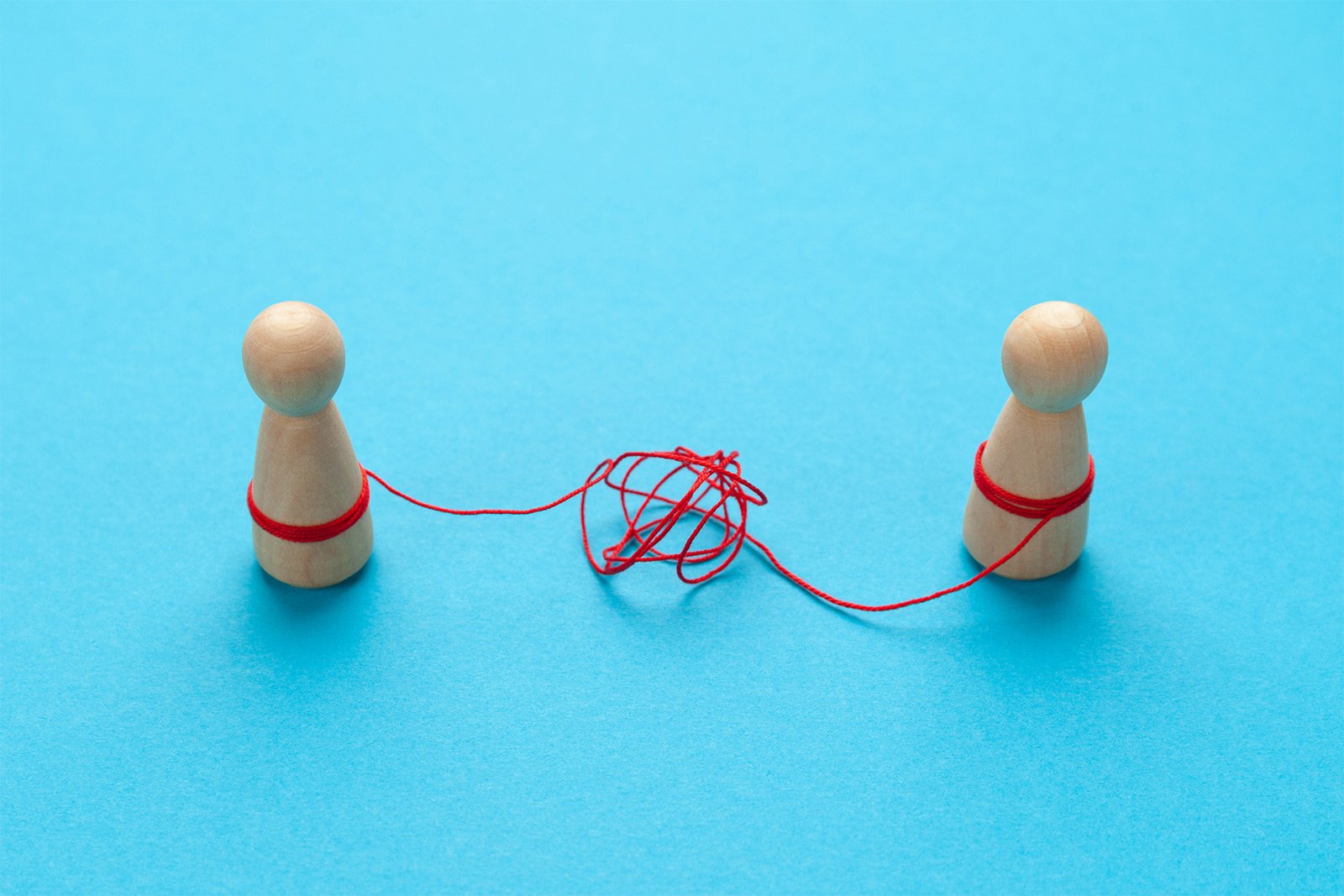
Whether imposed on us by the miracle of birth or created through our own volition, the ties that bind us to the people in our lives are both a tightrope to unseen heights and a safety net, ready to catch us when we inevitably fall.

Sometimes, however, those ropes can become entangling vines that keep us from living up to our potential, mercilessly dragging us down to the bottomless pit of stagnation and codependence.

One manifestation of this phenomenon is enmeshment, a family dynamic that seems caring, supportive, and harmonious. Unfortunately, this surface dynamic often hides a cesspool of impeded personal growth, false aspirations, and illusionary freedoms.

The problem is that emotional enmeshment signs, in adulthood or otherwise, can be extremely difficult to notice if you don’t know exactly what you’re looking for. That’s why, today, we’re delving deep into the topic, providing you with every tool to catch the problem before it has the chance to escalate.

How Do You Recognize Enmeshment?

Whether it be a romantic, familial, or friendly relationship, recognizing the signs of enmeshment will typically involve careful monitoring of emotional and behavioral patterns that suggest a lack of healthy personal boundaries and autonomy. Some of the most common indicators include:

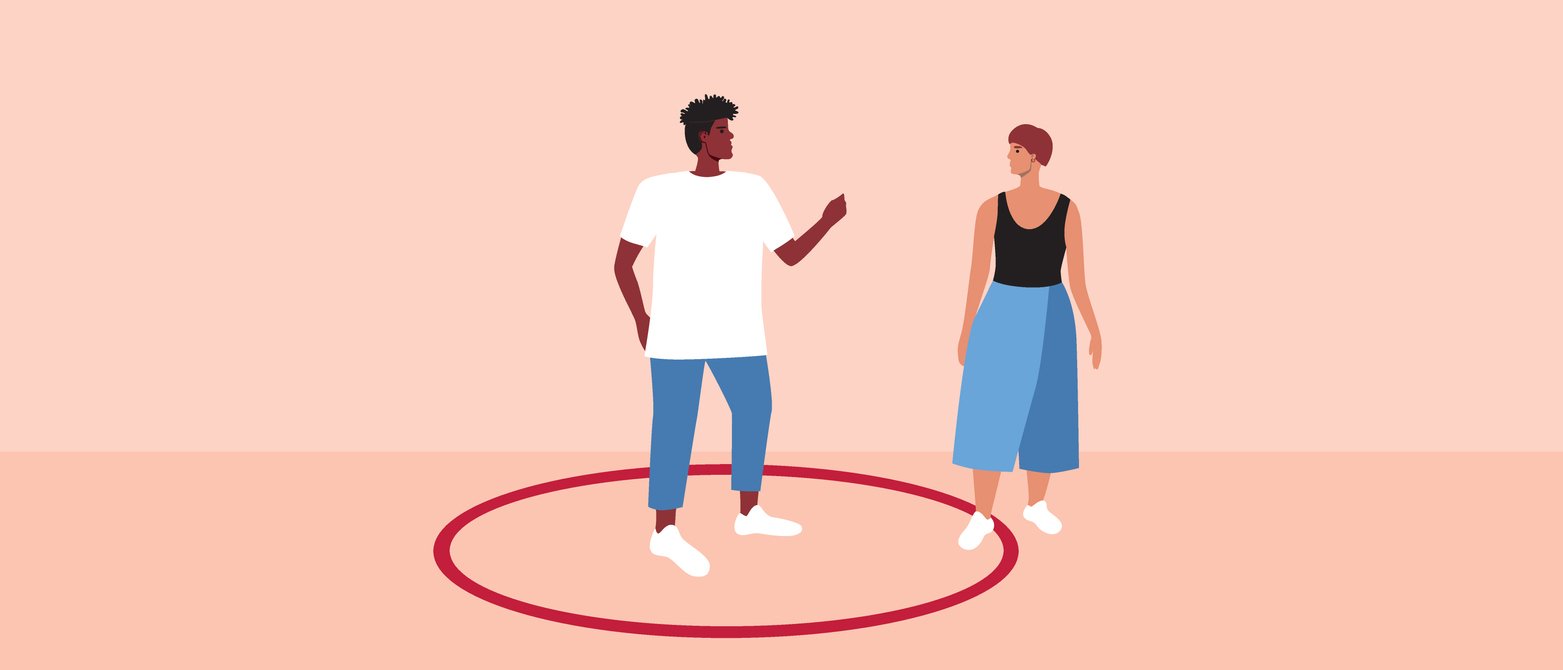
  • Difficulty setting & maintaining boundaries: This is the most prominent of all the enmeshment signs. Impacted individuals often struggle to limit the involvement of others in their personal lives, which can lead to persistent feelings of intrusion.
  • Hindered differentiation: The Enmeshment theory defines differentiation as the inability to maintain one’s unique identity while staying emotionally connected to others. Instead, their feelings, thoughts, and behaviors become so intertwined that it’s challenging to distinguish where one person ends and the other one begins.
  • Overreliance on others: Enmeshed individuals typically rely on the approval or input of other people within a relationship. They may find it exceedingly difficult to decide or pursue their goals and interests independently, which suggests limited personal autonomy.
  • Shared decision-making: Tying into the previous point, a telltale sign of enmeshed dynamics is collective decision-making. Instead of expressing and, when necessary, asserting their needs or preferences, a person will typically resort to seeking consensus when faced with even minor decisions.
  • Emotional fusion: Emotional enmeshment signs emerge when the feelings of individuals become so mutually entangled that it becomes nearly impossible to express and experience emotions independently. 
  • Over-identification: When the collective (i.e., family or circle of friends) starts to identify with one person’s experiences, challenges, or successes, it may lead to the formation of a shared emotional state.
  • Avoidance of conflict: Individuals in enmeshed relationships may try to avoid conflict at any cost, primarily out of fear that expressing disagreement or differing opinions may shatter the perceived “harmony” of the relationship.
  • Isolation: A major downside of enmeshment is that it hinders the person from developing and maintaining relationships outside of the immediate group. However, this often leads to hindered personal growth, as being cut off from the outside world leaves no possibility for new experiences.

Remember that the consistent presence of these indicators can cause significant distress, especially if they persist for a prolonged period. Therefore, if you notice any of the above signs of enmeshment, seeking professional help as soon as possible is highly recommended.

What Is An Example Of Enmeshed?

Like with everything else in life, enmeshment signs are much easier to recognize and understand in the context of a real-world situation. So, let us view each of the above through the prism of hypothetical yet plausible scenarios:

  • Difficulty setting & maintaining boundaries:
    • Premise: A couple in a romantic relationship shares the same group of friends, and both partners feel compelled to disclose every detail of their intimate lives with others.
    • Takeaway: This leaves no room for privacy, a prime example of enmeshed boundaries in psychology and otherwise.
  • Overreliance on others:
    • Premise: Adult siblings share a joint account and continue to make financial decisions together.
    • Takeaway: Both siblings heavily rely on each other for financial support, which indicates a notable lack of independence.
  • Shared decision-making:
    • Premise: A young adult relies heavily on their parent’s guidance, even for the most mundane decisions, such as which clothes to wear or what movie to watch tonight.
    • Takeaway: Difficulty making one’s own decisions suggests a lack of autonomy.
  • Emotional fusion:
    • Premise: A husband is feeling upset, and the wife feels distraught in response, and vice versa;
    • Takeaway: The compulsion to mirror each other’s emotional state may be indicative of emotional fusion.
  • Over-identification:
    • Premise: Despite having differing interests, two siblings choose the same career path to meet their parents’ expectations.
    • Takeaway: Parents are taking away their agency and individuality by imposing their needs or opinions on children.
  • Avoidance of conflict:
    • Premise: The entire family consistently keeps agreeing with the viewpoints of one dominant member.
    • Takeaway: The compulsion to avoid conflict at any cost suggests a lack of individuality and autonomy.
  • Isolation:
    • Premise: A group of friends socializes exclusively within the established circle.
    • Takeaway: Reluctance to form outside connections indicates a lack of autonomy.

what does it look like lady thinking enmeshment

What Does Parental Enmeshment Look Like?

“Parental enmeshment” refers to familial dynamics characterized by excessive and unhealthy levels of closeness between a parent and child, blurring the boundaries between the two. This phenomenon can manifest itself in various forms, with some of the most common parental enmeshment signs being:

  • Emotional (over)dependence: The parent treats the child as a friend and confidant, relying on them for emotional support, which often exceeds the child’s emotional capacity.
  • Lack of boundaries: The parent must know every detail about their child’s life without regard for privacy and personal space. In addition, they may feel compelled to share aspects of their personal life to an extreme degree, even involving the child in inappropriate matters or discussions for their age.
  • Over-identification: The parent’s self-worth depends on the child’s achievements, leading to pressure on the child to meet their expectations and act according to their beliefs and values.
  • Limiting the child’s independence: An enmeshed parent feels compelled to make every decision in the child’s stead, whether big or small. This overinvolvement can drastically exceed what’s developmentally appropriate for the child.
  • Emotional fusion: The parent struggles to maintain a healthy emotional distance appropriate for a parent-child relationship.
  • Encouraging enmeshment: The parent rewards their child for actions and behaviors that deepen the enmeshment, effectively promoting the lack of autonomy and individuality.

Notably, these behaviors can instigate enmeshment signs in adulthood, causing long-term consequences on the child’s emotional and psychological state. In addition, examples of enmeshed boundaries aren’t exclusive to families alone. Rather, they can occur in any form of interpersonal relationships, including friendly, romantic, academic, and professional ones. 

For this reason, it is essential to learn to recognize the signs of enmeshment and address them promptly, preferably with professional help, as doing so can promote the healthy personal development of both the parent and the child.

How Do You Know If You Are Enmeshed?

While enmeshment signs can transition well into adulthood, they can also develop under the influence of varying factors, such as personality traits, life experiences, dynamics of a specific relationship, and many others.

Regardless of the causes, the fact is that being enmeshed can severely affect your growth as a person and a partner in a relationship. Therefore, if you notice any of the following signs in yourself or someone close to you, it is critical to address them as soon as possible.

To make it easier to recognize signs of enmeshment, we’ll split them into two distinct categories: 

  • Internal, about the individual’s experiences and/or character traits;
  • External, influenced by others or relationship dynamics.

Internal Signs Of Enmeshment

  • Difficulty establishing and/or maintaining boundaries, including emotional, psychological, or physical ones;
  • Lack of a sense of privacy (e.g., oversharing) or personal space (e.g., intruding);
  • People-pleasing mindset, with disregard for personal wants and needs;
  • Extreme caregiving tendencies, i.e., feeling personally responsible for the well-being of people in close social circles;
  • Feeling guilty or ashamed for showing agency and taking initiative, specifically regarding personal choices and life decisions;
  • Feeling obligated to meet the expectations of others, even if they contradict your interests, desires, or goals;
  • Being overly agreeable, i.e., not knowing when or how to say “no”;
  • Avoiding conflicts at all costs, even if it means compromising your own well-being or standpoints;
  • The feeling of being lost, typically caused by hindered individuality and autonomy;
  • The compulsion to mirror the emotions of others, whether they be a close friend, family member, or a romantic partner.

External Signs Of Enmeshment

  • Being guilted or shamed for making independent decisions;
  • Being expected to share every detail about your personal life;
  • Your self-worth is dependent on the achievements of others (e.g. parent, partner, family member, etc.), and/or vice versa;
  • Your life centers around someone else’s, and/or vice versa;
  • You’re actively discouraged from following your dreams and goals; you’re expected to act or behave per the values or beliefs of the enmeshed individual(s);
  • Others constantly overshare personal experiences or feelings, regardless of how personal or inappropriate they may be, and you’re expected to accept and support this behavior.

clarity woman meditating mental health enmeshment

Learn To Recognize & Address Emotional Enmeshment Signs With PIVOTs Help

Due to the nature and complexity of the phenomenon, mending enmeshed boundaries can be quite a challenging prospect. Fortunately, you don’t have to undertake this journey alone. With PIVOT’s help, your journey can be an empowering and pleasant one.At the nurturing environment of our Glass House Retreat, a collective of experienced personal coaches stands ready to help you free yourself from the emotional engulfment of enmeshment in a healthy and constructive way. Get in touch with us today!


Enmeshment Trauma: Explanation & Causes

Enmeshment trauma, a significant psychological concept, can play an important role in shaping an individual’s emotional and relational well-being. This condition, often overlooked in the broader discourse on mental health, involves deeply intertwined relationships where personal boundaries are not just unclear but virtually nonexistent.

This detailed exploration aims to shed light on the meaning of enmeshment trauma, examining its causes, and distinguishing its various forms, including toxic and narcissistic. Offering insights into the profound impact of this dynamic on personal identity and emotional health can help individuals recognize and address these complex dynamics in their own lives.

This understanding is key for anyone on the path to emotional independence and healthier interpersonal relationships.

partners in family overwhelmed what is enmeshment trauma

What Is Enmeshment Trauma?

Enmeshed trauma emerges in relationships where there’s an excessive merging of emotional and psychological identities between individuals. This dynamic is most prevalent in close familial or romantic relationships, where individual boundaries become so intertwined that it’s hard to distinguish where one person ends and the other begins. The main characteristics of this dynamic include:

  • Loss of Personal Identity: Individuals in these relationships often struggle to identify their own needs, emotions, and desires, which often leads to a diminished sense of self.
  • Emotional Overdependence: There’s a heightened reliance on others for emotional support, validation, and approval, often to the detriment of personal emotional independence.
  • Impaired Decision-Making: The ability to make independent decisions is compromised, as choices are heavily influenced or dictated by the other person in the relationship.
  • Persistent Stress and Anxiety: The continuous emotional labor required to maintain the relationship results in chronic stress and anxiety, and may lead to depression or other mental health issues.

Individuals dealing with enmeshment trauma symptoms often find it challenging to form healthy relationships outside of this dynamic, as they may lack the experience or understanding of balanced, independent interpersonal connections.

couple puzzle connected nmeshment trauma

What Is The Cause Of Enmeshment Trauma?

The roots of this relational dynamic are often established in the earliest years of an individual’s life. Overprotective or controlling caregivers play a significant role in this process. When parents or guardians exert excessive control, often believing they are acting in the child’s best interest, they inadvertently create a relational environment where the child’s independence and sense of self are stifled. 

This overprotection can stem from the caregiver’s own anxieties, past experiences, or unmet emotional needs, leading to a pattern where the child’s role subtly shifts from being cared for to fulfilling the emotional requirements of the caregiver.

In some familial settings, parents or guardians may unconsciously look to their children to satisfy their own emotional needs. This reversal of roles places undue emotional burdens on the child, disrupting the natural flow of nurturing and support that defines the caregiver-child relationship. 

This dynamic often leads to what is known in psychological terms as enmeshment childhood trauma, where the child’s emotional development is deeply entangled with the emotional state and needs of the caregiver.

Furthermore, the absence of healthy boundaries in family relationships plays a crucial role in the development of these relational patterns. In households where personal boundaries are neither acknowledged nor respected, children may grow up with a skewed understanding of personal space, autonomy, and the importance of individual identity. This lack of boundaries often leads to challenges in forming and maintaining healthy adult relationships, manifesting as enmeshed trauma in adults.

Cultural factors and family expectations further compound these dynamics. In many cultures and family structures, there is a strong emphasis on collective well-being and familial harmony, often at the expense of individual expression and autonomy. 

In such environments, personal needs and aspirations may be routinely suppressed to maintain family cohesion or adhere to societal norms. This cultural backdrop can reinforce and perpetuate the patterns of over-involvement and lack of boundaries that are central to the development of this complex relational trauma.

couple relationship toxic enmeshment

What Is Toxic Enmeshment?

While all relationships marked by enmeshment trauma share certain characteristics, such as blurred boundaries and emotional interdependence, they can become particularly toxic when these elements intensify to the point of causing significant distress and dysfunction.

1. Emotional Suffocation and Overwhelming Demands

In these dynamics, one or both individuals may feel perpetually trapped, burdened by an unceasing torrent of emotional demands from the other party. This relentless pressure can create a feeling of being emotionally suffocated, where there seems to be no room for individual feelings, thoughts, or experiences. 

The overwhelming nature of these demands often leads to a profound sense of entrapment, making it difficult for individuals to see a way out of the relationship. Recognizing these experiences as signs of enmeshed trauma is crucial in acknowledging the issue and seeking help.

2. Manipulation and Power Imbalances

Another sign of this harmful dynamic is the use of manipulation and control tactics. These tactics might include guilt-tripping, gaslighting, or other forms of emotional manipulation designed to maintain the status quo of the relationship. As a result, a cycle of dependence and power imbalance is created, where one individual consistently holds sway over the other’s emotional state and decisions.

3. Neglect of Individual Needs and Identity

In such relationships, there’s often a stark neglect of one’s own needs, desires, and sense of self. The constant focus on satisfying the other person’s emotional needs leads to a loss of personal identity and self-worth. Individuals may find themselves making significant sacrifices, ignoring their well-being, and sidelining their aspirations to maintain the relationship.

4. Challenges in Breaking Free

The deeply ingrained nature of these patterns makes them particularly challenging to address and change. Breaking free from such dynamics can be a very emotionally taxing process. It requires not only the recognition of these unhealthy patterns but also the development of emotional resilience, support mechanisms, and often professional guidance to navigate the complex process of disentangling oneself from these toxic patterns. 

Depending on the person and the situation, this process can take months or even years, as it’s not easy to break out of the patterns that one has been functioning within for most of their life.

What Is Narcissistic Enmeshment?

Narcissistic enmeshment refers to a specific pattern within relationships where one individual, often exhibiting traits of narcissism, dominates and controls the dynamic. It’s important to note that narcissism is a clinical diagnosis that cannot be applied casually. However, in relationships where narcissistic traits are present, enmeshment trauma may occur due to the narcissist’s tendency to manipulate and exert control over others.

In such dynamics, the narcissist often uses emotional manipulation, such as guilt or flattery, to entwine the other person’s identity and emotions with their own needs and desires. This creates a scenario where the non-narcissistic individual’s needs and identity are overshadowed, leading to a loss of autonomy and self-esteem. The affected individual might feel constantly compelled to cater to the narcissist’s demands, losing sight of their emotional well-being in the process.

Recover From Enmeshment Childhood Trauma With PIVOT

The journey to healthy, autonomous relationships is both challenging and rewarding. At PIVOT, we understand the intricacies of this journey and are here to support you every step of the way. The serene setting of our Glass House Retreat offers a safe space where you can recognize enmeshed trauma examples in your own life and focus on personal growth and relational healing. Our team of compassionate coaches will work with you to unravel the complexities of your relationships, providing the guidance and support needed to foster independence and healthy connections. Join us and start your journey towards transforming enmeshed relationships into sources of strength and fulfillment.

Enmeshment in Relationships Explained

Certain dynamics deeply influence how we connect and interact with others. One such dynamic, relationship enmeshment, plays a crucial role in many close bonds. This term refers to a scenario where personal boundaries are so intertwined with another’s that individual identities blur. This blending of emotional and psychological lines can be subtle yet significant, impacting autonomy and growth.

Discerning the fine line between healthy closeness and overwhelming codependency is essential for both personal mental health and the connection with the other person. This blog aims to shed light on the characteristics of enmeshed relationships, their challenges, and their effect on personal freedom and the health of close bonds. 

Once individuals grasp this concept, they may recognize, navigate, and balance these intricate ties better, leading to healthier and more fulfilling connections.

What Is An Enmeshed Relationship?

To define an enmeshed relationship, we look at a dynamic where emotional boundaries are heavily blurred or almost non-existent. This dynamic type is characterized by overwhelming emotional interdependence, leading to a significant loss of individual autonomy and identity over time.

  • Overlapping Emotional Experiences: In this dynamic, the emotional states and experiences of one person are heavily influenced by and, in turn, influence the other’s emotions. This often leads to a situation where the collective needs of the relationship overshadow the individual’s needs.
  • Absence Of Personal Boundaries: There’s a marked lack of personal space and boundaries, leading to the individual’s preferences, decisions, and desires being constantly overshadowed by the relationship’s demands.
  • Excessive Involvement In Each Other’s Lives: There’s an intense level of involvement in each other’s personal affairs, often to the point where individual autonomy is compromised.

These dynamics can manifest across various types of connections, with the root of the issue often stemming from early life connections with parents and siblings. Whether this occurs in your familial connections or romantic ones, each of them presents significant challenges to personal identity and autonomy.

What Are The Symptoms Of Enmeshment?

Identifying the symptoms of relationship enmeshment is the key to recognizing this intricate dynamic. These symptoms can manifest in various forms, often intertwining and reinforcing each other, creating a complex web that can be challenging to untangle.

1. Challenges In Independent Decision-Making

One of the main signs of this dynamic is the difficulty in making choices independently. Individuals in such relationships frequently find their decision-making process heavily influenced by the thoughts, feelings, and reactions of the other person. This dependency can range from minor everyday decisions to significant life choices, where the individual’s own opinions and desires are sidelined or altogether overridden.

2. Feeling Overly Responsible For The Other’s Emotional Well-Being

Another common symptom is an excessive sense of responsibility for the other person’s emotional state. This can manifest as constantly worrying about how actions, words, or thoughts might affect the other person. It often leads to an unhealthy dynamic where one person becomes the emotional caretaker, constantly trying to anticipate and manage the other’s emotional needs, sometimes even at the cost of their mental health.

3. Neglect Of Personal Needs And Aspirations

This dynamic often leads to the neglect of personal needs, desires, and aspirations. The individual’s goals and interests become secondary, overshadowed by the perceived needs of the other person. This might result in giving up hobbies, career aspirations, or social connections incompatible with the relationship’s dynamics. Over time, this can lead to a significant loss of personal identity and a sense of fulfillment.

4. Loss Of Personal Identity

Closely related to the neglect of personal needs is the erosion of personal identity. In an enmeshed relationship, the individual’s sense of self becomes so intertwined with that of the other person that distinguishing personal beliefs, values, and emotions becomes difficult. This loss of identity can manifest in various ways, such as adopting the other person’s opinions, mimicking their behavior, or losing touch with one’s emotional responses.

5. Heightened Anxiety And Stress

This dynamic often leads to increased levels of anxiety and stress. The fear of upsetting the balance of the relationship, coupled with the pressure of meeting the other person’s needs, can create a persistent state of tension and worry. This stress can have far-reaching effects on the individual’s overall well-being, including physical health, mental health, and emotional resilience.

6. Difficulty In Establishing Boundaries

A key symptom of enmeshment is the challenge in establishing and maintaining healthy personal boundaries. These individuals often struggle to set limits, say no, or advocate for their needs. This lack of boundaries perpetuates the same unhealthy cycle and hampers the development of mutually respectful and supportive connections.

What Does Enmeshment Look Like In A Romantic Relationship?

This dynamic can manifest in various ways, such as partners having a significantly overlapping social life, shared hobbies, and mutual decision-making to the extent that individual preferences and activities are no longer discernible. 

When dating someone with an enmeshed family, these patterns might be more pronounced, as the person might have been conditioned to prioritize collective decisions over personal autonomy. This situation often leads to a scenario where the boundaries between ‘I’ and ‘we’ become so blurred that personal identity takes a backseat to the collective identity.

Are Enmeshed Relationships Often Typical Of Couples In Love?

There’s a common misconception that this dynamic is typical for couples who are deeply in love with each other. While close bonding and shared experiences are natural in loving relationships, this dynamic goes beyond this, leading to an unhealthy level of interdependence. Healthy relationships encourage and respect individuality and personal growth. 

In contrast, this dynamic often results in a loss of self and over-reliance on the partner for emotional validation and decision-making. The root of this pattern usually comes from childhood, which is why it can be useful to read up on familial enmeshment psychology.

Learned behaviors and patterns from childhood often influence how individuals engage in their romantic connections. It’s important to recognize that true love fosters independence alongside intimacy, as opposed to the suffocating closeness found in enmeshed family examples.

Learn How To Overcome Relationship Enmeshment With PIVOT

In the journey to untangle the complexities of this unhealthy dynamic, the path can seem difficult and solitary. Fortunately, it doesn’t have to be. PIVOT provides a time tested and proven process that is adapted to your unique story, so you can shift to healthier patterns through this challenging moment in your life.

pivot company logo with tagline

In the nurturing environment of our Glass House Retreat, you’ll find experienced coaches who can provide you with dedicated support and insights. This unique retreat is designed to help individuals like you explore and understand the dynamics of your relationships and the signs of an enmeshed family, all while offering tools and strategies to foster healthier, more independent connections. Join us and embark on a transformative journey towards relationship clarity and personal empowerment.

Explaining the Meaning of Enmeshment

At the inception of the human species, the family was a symbiotic union designed to give each member a better chance of survival. As humanity evolved and we became more emotionally aware, the concept of family transcended the boundaries of basic biological needs and instincts.

It became an institution designed to provide emotional support and be the source of empowerment for all family members, which it remains to this day. However, in some instances, this concept gets taken to the extreme, clipping our wings instead of being the gale that helps us soar.

This is the very meaning of enmeshing, in its most basic form, a destructive dynamic that hinders every aspect of personal progress, whether emotional, mental, or even physical. So, what does “enmeshed” mean from the standpoints of psychology and psychotherapy? That’s what we will uncover today, so let’s dive in.

definition of enmeshment wooden blocks question mark

What Is The Meaning Of The Word Enmeshment?

To gain a deeper understanding of enmeshment as a phenomenon, we need to start from the very basics – the semantic meaning of the word. Here, the Oxford Dictionary and Merriam-Webster (respectively) provide definitions of two verbs that are of particular interest to us:

  • (to) Mesh means to “make or become entangled or entwined”;
  • (to) Enmesh means “to catch or entangle in or as if in meshes.”

If we combine these two definitions, we can extrapolate the meaning of enmeshment:

  • Enmeshment: The condition or state in which elements are intricately entangled or intertwined, often to the point where it’s difficult or impossible to distinguish one from another.

So, what does enmeshed mean in the context of interpersonal relationships? To uncover this mystery, all we need to do is replace “elements” with “individuals” in the previous definition.

What Does It Mean To Become Enmeshed?

Within close-knit groups (families and romantic partnerships in particular), enmeshment refers to the state where individuals or their relationship dynamics become excessively intertwined or interconnected, sometimes even to the point of extreme.

In these instances, emotional, psychological, and physical boundaries may become so blurred that it becomes exceedingly difficult for everyone involved to maintain individual identities and personal autonomy.

This opens the door to a whole host of additional challenges, including things such as hindered personal growth, difficulty managing emotions, and the incapacity to clearly define one’s own needs, desires, and values.

Is Enmeshment Good Or Bad?

Close connections and strong bonds are, without a doubt, positive and desirable aspects of any interpersonal relationship. However, the problem with enmeshment is that it perverts these characteristics by often taking them to an unhealthy extreme, causing a host of issues:

  • Loss of individuality: With healthy boundaries virtually non-existent, enmeshed individuals may need help to develop a sense of self or pursue goals and interests outside of the context of the relationship.
  • Fostering dependency: The meaning of enmeshment often entails overreliance on each other for validation, emotional support, and decision-making, further taking away from individual autonomy.
  • Hindering communication/conflict resolution: Open and honest communication is the cornerstone of a healthy relationship, especially regarding conflict resolution. However, enmeshment makes this problematic because individuals may either:
    • Find it hard to express their needs, desires, or opinions, primarily out of fear of disrupting the delicate relationship dynamics, or;
    • Feel overwhelmed when expressing themselves due to consequential heightened emotional intensity, leading to complete avoidance of conflicts.
  • Interference with other relationships: Enmeshed individuals may struggle to maintain or form connections outside of the established relationship, which can sometimes cause them to become isolated from the outside world and new experiences.

Isolation, intense and persistent inner turmoil, lack of self-definition and self-fulfillment, as well as other detriments mentioned above, can have a profound effect on a person’s emotional, psychological, and physical state.

The combination of these factors is known to contribute to stress, anxiety, and depression, which can manifest as physical symptoms. In addition, they may drive the person to develop unhealthy coping mechanisms, such as substance abuse, meaning enmeshing can negatively impact virtually every aspect of one’s well-being.

maze around lightbulb enmeshment theroy psychology

What Is The Enmeshment Theory In Psychology?

Today, enmeshment theory refers to a conceptual framework used to analyze behavioral patterns within relationships. Its primary focus is on understanding familial dynamics where members are overly involved with one another.

In modern psychology, the meaning of “enmeshed” is still a subject of debate, mainly because enmeshment shares many common elements with codependency (defined in the Attachment theory). The two terms are sometimes used interchangeably, which is considered a mistake by many academics.

While there are undeniable similarities between the two concepts, enmeshment and attachment theories have distinct emphases on different aspects of interpersonal relationships:

  • Enmeshment theory primarily emphasizes blurred, porous boundaries and lack of ability to maintain individuality while remaining emotionally connected to others, which can lead to emotional fusion and shared identities;
  • Attachment theory, specifically codependency, emphasizes excessive reliance and non-existent boundaries, typically with one person (i.e., “caregiver”) exhibiting enabling behaviors toward their partner (i.e., “caretaker”).

Despite the controversy that surrounds the topic, enmeshment theory finds wide applications in psychology and psychotherapy, primarily as a way to establish more healthy boundaries, promote individual autonomy, and foster improved communication within group dynamics.

Discover What Being Enmeshed Means For Your Relationship With PIVOTs Help

If you recognize the signs of enmeshment in someone close to you or you’re feeling engulfed by your relationship, it means that the time to act is right now. At PIVOT, you can get all the help and support you need to address the issue.

pivot company logo with tagline

Our individual coaching sessions are tailored to your unique needs and situation, ensuring that every step you take is a meaningful one. Reach out to us today to secure your spot in our serene Glass House Retreat and start your journey of self-growth and autonomy!

Rebuilding Trust After Relationship Betrayal: Is It Possible?

The fabric of any relationship is intricately woven with threads of trust, understanding, and mutual respect. When this fabric is torn by the betrayal of trust in a relationship, it leaves a lasting impact that resonates through its very core. 

When the foundations are shaken in a close partnership, it opens up a complex emotional landscape that may not be easy to navigate. It’s a journey marked not just by the challenge of overcoming the incident but also by the opportunity for deeper understanding and connection.

The experience of being let down by someone close doesn’t just impact the present moment. It reverberates through the memories and future plans shared between the partners. It leaves them facing a whirlwind of emotions and tough choices about the path ahead. This situation tests not only the bond between them but also brings about a profound self-reflection and evaluation of their dynamics.

Choosing to move forward after such an event is a significant decision, requiring a mix of introspection, honest communication, and a shared commitment to growth. At the core of this exploration is the question of resilience and renewal in partnerships. Can a bond not only survive such testing times but also emerge stronger and more honest? 

Can Someone Love And Still Betray You?

It may be difficult to understand how someone can care deeply yet make choices that hurt their partner. Human emotions are complex and often contradictory. It’s possible for someone to care for their partner truly yet make decisions that result in betraying trust in a relationship.

This situation usually reflects more than just the state of their emotions. Factors like flawed decision-making, personal weaknesses, or external pressures can lead to such hurtful actions. Recognizing this doesn’t mean excusing the hurt caused, but it does provide a broader perspective. Sometimes, these actions aren’t about a lack of affection but rather about individual struggles or unmet emotional needs.

What To Do When Trust Is Broken In A Relationship?

Navigating the aftermath of betrayed trust in a relationship is challenging, often leaving both partners grappling with hurt and confusion. To move towards healing and possibly mending the bond, some of these steps can be helpful:

1. Acknowledging The Hurt

It’s important for both individuals involved to recognize and validate the pain caused. The person responsible for the hurt might want to own up to their actions, showing genuine remorse, while the aggrieved partner should openly express how the incident affected them. This step is crucial for laying the groundwork for any potential reconciliation.

2. Seeking Understanding

Understanding why the disappointment occurred is also important. This step goes beyond justifying the actions. The partners should uncover the root causes, whether they are emotional, situational, or a combination of various factors. Sometimes, the reasons behind such actions are complex and require a deep dive into personal or mutual issues within the bond.

3. Deciding On The Future

Both partners must decide clearly about their willingness and ability to work on mending the bond. This decision should be grounded in honesty and a realistic assessment of whether the bond can withstand this storm. The partners must weigh the love and history against the hurt and decide if the relationship is salvageable.

4. Engaging In Open Communication

Transparent and empathetic communication is the cornerstone of this process. It involves not just talking but actively listening to each other’s perspectives and feelings. Through open dialogue, misunderstandings can be clarified, and a pathway for healing can be established.

5. Seeking Professional Help

In many cases, the assistance of a therapist or counselor can be invaluable. These professionals can provide guidance and tools for healing and suggest effective activities to rebuild trust in a relationship. Their expertise can offer a neutral perspective and help navigate the complex emotions and challenges involved.

Can A Relationship Recover From Betrayal?

The prospect of healing and regaining strength in a bond after a significant disappointment is a complex issue. Recovery in such scenarios is difficult but not impossible. The process hinges on the willingness and dedication of both partners to navigate through the aftermath together

Key to this journey is reconstructing the foundation of the bond through openness and mutual respect. This demands time, consistent effort, and a great deal of patience from both individuals involved.

Often, in the process of rebuilding trust and honesty in a relationship after betrayal, partners who successfully manage to work through their issues find that their connection deepens. This heightened understanding and stronger bond come from facing and overcoming the challenges together. However, this process is far from straightforward. The partners will likely need to have difficult but essential conversations, address uncomfortable truths, and strive to understand and forgive one another.

As the process unfolds, asking meaningful questions to rebuild trust in a relationship can be instrumental. These conversations can help clarify misunderstandings, establish new boundaries, and reaffirm commitments. The outcome, whether it leads to a stronger partnership or a respectful parting, hinges on the depth of understanding and the efforts put into the healing journey.

How To Rebuild Trust In A Relationship After Betrayal?

Rebuilding trust and honesty in a relationship after betrayal is a nuanced process that requires time and intentional effort. Simply choosing to stay together may not be enough. This process requires both individuals to deeply commit to understanding and processing the emotions that surface.

1. Committing To The Process

Both individuals need to wholeheartedly commit to the healing journey. This commitment goes beyond the decision to remain in the relationship. It requires mutual dedication to understanding each other’s feelings and working through the challenges that arise.

2. Ensuring Complete Transparency

For the partner who caused the hurt, maintaining complete transparency is essential. This involves open communication about their actions and future intentions, providing the necessary reassurances and clarity to rebuild a sense of trust.

3. Establishing New Boundaries

Jointly setting new boundaries is a critical step. These boundaries will be the foundation for the new phase of the relationship, helping prevent the recurrence of past issues and fostering a sense of mutual respect and honesty.

4. Demonstrating Commitment Through Actions

In situations involving betrayed trust in a relationship, consistently demonstrating commitment through actions is more effective than words alone. The partner who caused the hurt may need to show, through their behavior, their dedication to repairing and strengthening the relationship.

5. Embracing Forgiveness

Forgiveness plays a key role in the healing process. The individual might need to make a conscious choice to move forward without holding onto resentment, understanding that forgiveness is as much about personal peace as it is about absolving the other’s actions.

6. Creating New Positive Experiences

Participating in shared activities to rebuild trust in a relationship can significantly aid in healing. Engaging in new hobbies, planning shared experiences, or simply investing quality time together can foster reconnection and strengthen the emotional bond.

Heal From Betrayed Trust In A Relationship With PIVOT

Our trustworthy Glass House retreat offers a sanctuary for deep emotional healing and trust restoration. This serene and supportive environment is the perfect setting for individuals grappling with the aftermath of relationship issues.

At our retreat, you’ll be guided by expert coaches who specialize in relationship dynamics and emotional recovery. They provide personalized support, blending therapeutic techniques with compassionate understanding. Our program includes a mix of compassionate individual sessions, group discussions, and reflective activities, all designed to address the nuances of trust issues.

pivot company logo with tagline

Whether you’re seeking to heal individually or considering the future of your relationship, our retreat offers a safe space to explore these decisions. You’ll leave with not only a deeper understanding of your experiences but also practical tools and strategies to build healthier, more resilient relationships.

Begin a new chapter in your journey toward healing and trust. Join our retreat and take a significant step towards a more fulfilling and trusting future in your relationships.

Types & Examples of Relationship Betrayal

In the realm of human emotions, love stands as one of the most profound and influential forces. It shapes our lives, guiding our deepest relationships and molding our most cherished memories. Yet, within this landscape of love and intimacy, a complex and often painful dynamic emerges: betrayal and lies in a relationship.

This exploration into the different types of betrayal in a relationship aims to bring clarity and understanding to a topic often shrouded in confusion and hurt. It can be easier to navigate the complex world of love once you understand the nuances of this topic.

Knowing more about this can help us recognize the signs, understand the consequences, and perhaps most importantly, learn how to heal and rebuild when trust is broken. As we delve deeper into these themes, we gain insights not just into the nature of broken trust but also into the resilience of love and the strength it takes to forge lasting bonds despite life’s inevitable challenges.

What Are The Different Types Of Betrayal?

In relationships, trust can be broken in several ways, each bringing its own set of problems and pain:

1. Emotional Infidelity

One common type of betrayal in a relationship is emotional infidelity. This happens when someone starts sharing those deep, personal thoughts and feelings with someone other than their partner. It’s like forming a close emotional bond that is otherwise exclusive to their significant other. 

This kind of situation can leave one partner feeling left out and neglected. It’s tricky because it often starts off looking like just a friendship, yet then it crosses a line that the unfaithful individual didn’t even see was there.

2. Physical Infidelity

This is one of the most obvious ways trust gets broken. It’s when one person in the relationship gets physically involved with someone else. It can hurt a lot because it breaks the agreement of being exclusive to each other. Besides the emotional pain, it can also bring up worries about safety and health.

3. Financial Dishonesty

Not being upfront about money matters can be as harmful as cheating. This includes hiding debts or making big money decisions without including the other partner. Once an individual finds out that the other partner hasn’t been honest about finances, it can shake trust in them and affect everything from daily life to plans for the future.

4. Dishonesty And Deception

Deception is also a common form of betrayal and lies in a relationship. Dishonesty, big or small, chips away at trust over time. The damage depends on what the person is dishonest about and how often this happens. When it’s about important things, it can make one partner start to question everything about the relationship.

5. Neglect And Indifference

This one can be sneaky because it’s not about doing something – it’s about not doing something. When one partner doesn’t pay attention to the other’s needs or feelings, it hurts the relationship. It’s like saying, “I’m not here for you,” whether it’s not being there in tough times, missing important events, or just not being part of the regular, everyday stuff that keeps you connected.

What Is An Example Of Betrayal In A Relationship?

To gain a clearer understanding of these trust issues in relationships, let’s look at some hypothetical scenarios:

1. Emotional affair

An example of emotional betrayal and lies in a relationship is seen in the case of Sarah. Sarah is married, yet she gradually becomes emotionally closer to her co-worker, John. They begin to share personal stories, dreams, and frustrations. As their bond deepens, Sarah finds herself confiding in John about thoughts and feelings she doesn’t share with her husband.

This growing emotional distance leaves her husband feeling deeply hurt and replaced when he discovers their connection. The pain is intensified because he feels ousted from his role as her primary emotional confidant, which he believed was a key part of their marriage.

2. Financial dishonesty

Tom has been secretly engaging in online gambling, leading to a considerable accumulation of debt. He hides this from his wife, fearing her reaction. When she eventually learns the truth, she is left shocked and deeply hurt not only by the financial strain but also by the intricate web of deception Tom created to hide his actions. This situation strains their current financial stability and casts doubts on their future plans and decision-making as a couple.

3. Physical infidelity

Physical infidelity, as demonstrated in Sophie’s experience, marks a clear example of a different type of betrayal in relationships. Sophie has been feeling a growing disconnect with her partner. Her unease about his fidelity is confirmed when she accidentally discovers incriminating messages on his phone.

The realization of his physical affair deeply shakes her, breaking the trust she had and affecting her sense of security in the relationship. The impact is especially painful as it undermines the foundational agreement of exclusivity and trust that Sophie believed was central to their relationship.

What Is The Highest Form Of Betrayal In A Relationship?

The most severe form of trust breach in a relationship is highly subjective and varies from person to person. For some, the deepest cut comes from emotional infidelity, while others may find actions like financial deceit or physical unfaithfulness to be more damaging. Often, it’s not just a single incident, it’s a combination of these trust issues.

The length of time over which the deceit has occurred, the level of emotional investment involved, and the effect on the affected partner’s sense of self and security are all important factors here.

The most profound form of this usually involves a combination of these elements, leading to a scenario where the affected partner feels completely undermined and undervalued in the relationship. This could manifest as an ongoing emotional affair, combined with financial dishonesty, and further compounded by physical infidelity.

This scenario shows the complexity of betrayal and lies in a relationship, underlying how multiple breaches of trust can intertwine, leading to a profound impact on the relationship. Such a combination may be particularly devastating as it strikes at multiple facets of trust and commitment all at once.

If you find yourself in this situation, remember the importance of communication and consider seeking professional help if the situation feels overwhelming. Broken trust doesn’t have to be the end of a relationship, yet addressing it openly and honestly is crucial for any chance of reconciliation and healing.

Learn How To Overcome Different Types Of Betrayal In A Relationship With Pivot

Exploring the challenges of trust issues in relationships can sometimes feel overwhelming, and remember, you’re not alone in this journey. PIVOT is here to guide you towards healthier, more fulfilling relationships.

At our serene Glass House Retreat, you’ll find a team of skilled coaches ready to offer you empathetic support and practical strategies. We focus on helping you understand the complexities of trust issues in relationships, recognizing early signs, and providing effective methods to address and heal from them.

pivot company logo with tagline

In our tranquil and supportive environment, you’ll be able to embark on a transformative journey toward self-discovery and relationship empowerment. Whether you prefer group programs or personalized one-on-one coaching sessions, our approach is customized to meet your unique needs.

Begin your path to stronger, more trusting relationships today. Reach out to us and take the first step towards nurturing and rebuilding the connections that matter most to you.

35 Signs & Symptoms of Betrayal Trauma in a Relationship

Betrayal is as old as time. Judas and Jesus. Cain and Abel. Samson and Delilah. Brutus and Caesar. Anna Karenina and Alexei Karenin. Anne Boleyn and Thomas Cromwell. Scar and Mufasa. Albus Dumbledore and Severus Snape. King Arthur and Mordred.

Regardless of the story, regardless of the setting, regardless of whether it’s fact or fiction, history or legend – betrayal is an unfortunate and omnipresent part of our reality. So, how come no one ever sees it coming?

Is it because the human brain is “programmed” not to recognize signs of betrayal in friendships, intimate partnerships, or professional relationships? Or is it because the prospect of experiencing mental, emotional, and physical symptoms of betrayal trauma is so terrifying that we subconsciously choose to ignore it?

What Does Betrayal Trauma Do To A Person?

Experiencing betrayal can have a profound and enduring detrimental impact on virtually every aspect of a person’s well-being, including their mental and physical health, emotional stability, cognitive capabilities, and future relationships, among others.

As such, discovering signs of betrayal in friendship, romantic partnership, or even professional relationships can be devastating to the person on the receiving end. To understand how and why, first, we need to understand which perpetrator’s actions and behaviors constitute betrayal.

What Are The Signs Of Betrayal In Relationship Psychology?

Detecting signs of betrayal in a friendship, marriage, or even a professional relationship can be challenging for two reasons:

  • Each relationship is unique. The intensity and dynamics may vary significantly, and so can the (precipice) upon which it’s built. This renders some signs of betrayal more relevant than others, depending on the individual circumstances of the relationship.
  • These signs do not definitely indicate betrayal. However, their persistence and/or continuous increase in intensity can signal the existence of a deeper problem, prompting caution when approaching their interpretation.

With that being said, here are potential signs of betrayal in a relationship, from a psychological standpoint:

  • Change in communication patterns: evasiveness, avoidance of certain topics, secrecy, reluctance/refusal to engage in open and honest communication;
  • Emotional distance: gradual disengagement, indifference, or alienation of the partner;
  • Behavioral shifts: significant and sometimes extreme changes in routines and habits;
  • Defensiveness: being oversensitive when faced with questions regarding their activities, interactions, or whereabouts;
  • Mood swings: drastic and sudden changes in disposition, with no obvious (logical) cause;
  • Excessive secrecy: sudden and extreme guardedness, especially regarding privacy (e.g personal space, devices, accounts, etc.);
  • Decline in intimacy: lack of interest in personal or emotional closeness;
  • Financial discrepancies: unexplained expenses; undisclosed or hidden financial activities;
  • Lack of transparency: being dishonest, secretive, or deceptive about plans, activities, and interactions.

Whether proven true or misinterpreted, the above signs carry great potential to cause internal turmoil which can contribute to the formation of betrayal trauma. Even at a glance, it’s easy to see how each sign can constitute a breach of trust.

What Are The Long-Term Effects Of Betrayal?

Considering how trust is the very foundation upon which any healthy relationship resides, it shattering can (and often does) leave lasting consequences on the victim. Long-term signs of betrayal trauma can roughly be sorted into six categories, as follows:

  • Emotional consequences are the most numerous and, arguably, the most intense. They include:
    • Chronic emotional distress
    • Persistent feeling of intense sadness, similar to grief; 
    • Emotional scars that can contribute to the formation of fear to vulnerability;
    • Altered worldviews, typically shifting toward skeptical or cynical;
    • Difficulty forgiving or letting go in various aspects of life, not only relationships;
    • Diminished self-esteem and self-worth.
  • Mental health challenges stemming from excessive emotional turmoil may include the development or exacerbation of various issues, even to the point of them being clinically diagnosable:
    • Mood disorders, such as anxiety and depression;
    • PTSD-like symptoms, such as hypervigilance, insomnia, and dissociation;
  • Relational effects of betrayal trauma can hinder a person’s capability to form new or maintain healthy relationships due to the:
    • Pervasive trust issues can shape victims’ behavior, causing them to approach any interaction with an extreme dose of cautiousness;
    • Fear of vulnerability can render a person incapable of opening up.
  • Cognitive difficulties
    • Impaired cognitive functions, such as difficulty focusing or concentrating, can have significant detrimental effects on a person’s day-to-day functioning;
    • Recurring intrusive thoughts may resurface unexpectedly and cause a person to relive the traumatic event, making it difficult to move on and further hindering daily routine;
    • Dissociation can lead to feelings of detachment or unreality, even causing a person to respond or behave in certain ways without being fully aware of their actions.
  • Behavioral issues usually develop as maladaptive coping mechanisms and a way of adapting to a new situation and can include:
    • Self-isolation can be a person’s way to shield themselves from potential emotional harm or relational vulnerabilities;
    • Increased irritability is a response to the experienced breach of trust, serving both as a way to express pain or frustration and as an attempt to “push away” potential emotional harm;
    • Substance abuse disorder (SUD) which can potentially lead to full-blown addiction.
  • Physical signs of betrayal trauma are diverse and a common manifestation of internal turmoil. These may include:
    • Disrupted sleep patterns, including insomnia and nightmares;
    • Changes in appetite, such as overeating or undereating;
    • Digestive problems, such as indigestion, stomachaches, and irritable bowel syndrome (IBS);
    • Palpitations or elevated heart rate are a common response to stress;
    • Weight fluctuations, sometimes to the point of extreme (e.g. obesity or malnutrition);
    • Chronic fatigue, despite adequate and sufficient rest;
    • Frequent or chronic headaches, typically associated with constant tension;
    • The compromised immune system, caused by chronic emotional distress;
    • Sexual dysfunction and decreased libido.

The detrimental effects are even further exacerbated by the fact that betrayal often comes suddenly and unexpectedly, adding shock and disbelief to an already difficult situation, effectively rendering the victim incapable of taking constructive steps to remedy the situation.

What Is Post Betrayal Syndrome?

The “Post Betrayal Syndrome” is a concept used to describe responses an individual can experience after they’ve been betrayed, and includes a cluster of emotional, cognitive, and physical symptoms of betrayal trauma:

  • Re-experiencing the event through intrusive thoughts, flashbacks, or dreams;
  • Hyperarousal, which can manifest as hypervigilance and heightened irritability;
  • Avoidance of triggers (e.g. situations, individuals) that remind them of betrayal, even to the point of self-isolation;
  • Negative changes in cognition and mood, result from the altered perception of the world and diminished sense of self-worth.

While the concept of Post Betrayal Syndrome accurately depicts the combination of responses mentioned above, it is not formally recognized as a clinical term or a psychological disorder. Rather, it is a descriptor used to delineate the (long-term) impact of betrayal on an individual’s mental, emotional, and physical well-being.

Addressing the signs of betrayal trauma and its effects often requires professional assistance, typically a combination of therapeutic interventions (e.g., coaching, psychotherapy, etc.), leaning on a reliable support system (e.g., family, friends, support groups), and above all, commitment to the healing process and everything it entails.

Turn To PIVOT If You Recognize Signs Of Betrayal Trauma In Friendships Or Romantic Relationships?

Experiencing betrayal trauma is not a sign of weakness but an indication that you deserve to be in an honest, healthy relationship. With PIVOT’s help, you can start down the path of recovery and learn to overcome the pain of betrayal. At our rejuvenating Glass House Retreat, every individual coaching session is tailored to your specific needs and circumstances.

pivot company logo with tagline

Our experienced coaches are here to help you understand and address the emotional, mental, and physical symptoms of betrayal trauma, ensuring that you receive not only support but empowerment every step of the way. Reach out to us today and step into the future free from the weight of betrayal!