THE BLOG
Notes on love, patterns, and becoming a healthy adult.
FEATURED · IN THE PRESS
CNN goes inside the PIVOT men’s retreat
CNN correspondent Rob Picheta spent five days at a PIVOT Glass House men’s retreat and wrote about what he found there.
Read the story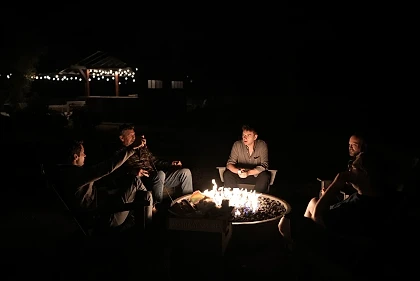
Latest posts

Trust
How to Stop Idealizing Someone: Break the Habit for Good
How to stop idealizing someone (or an ex): why we romanticize the past and 5 clinically reviewed steps to break the habit for good, from PIVOT.

Growth
Idealization In Relationships: Beyond the Fantasy
Idealization in relationships means putting a partner on a pedestal. Learn why it happens, how the idealization-devaluation cycle works, and how to stop.

Growth
Commitment Issues In Relationships: How To Overcome Them
What are relationship commitment issues and what causes them? What do you do if your partner has commitment issues? Read on!

Trust
Dishonesty: How To Spot It & Deal With It
It’s difficult to notice dishonesty in a relationship, and even more difficult to successfully deal with it. Keep reading to learn how.

Patterns
Parasocial Relationships: What They Are & How They Work
A parasocial relationship is an intense, one-sided bond with someone you do not personally know. Learn how to get out of a parasocial relationship.
Attachment
Avoidant Attachment Can Feel Like Love Avoidance
Though outwardly confident, someone with an avoidant attachment style in relationships may fear intimacy. Fortunately, with support, change and healing are possible.

Trust
Choosing a Relationship Coach vs. a Therapist: What’s Best for Couples?
Trying to choose between a relationship coach vs. a therapist? Learn more about what each of these professionals can provide for couples.

Trust
Choosing the Best Relationship Coaching Service for You
Learn how to choose the best relationship coaching services for you and your partner.

Trust
Being Ignored by Someone You Love
Learn why it hurts so much being ignored by someone you love and discover 8 effective ways to respond and heal.

Attachment
What Is Avoidance / Ambivalence Attachment?
Want to learn more about love avoidant and ambivalent attachment? PIVOT explores causes of love avoidance & ambivalence & how to cope.

Attachment
Attachment Style Quiz
Learn more about yourself and your relationships by taking our 5-minute attachment style quiz!

Love
Losing Attraction to a Partner? 7 Ways to Rekindle the Spark
Losing attraction to a partner is normal, and often reversible. Learn why the spark fades and 7 LCSW-reviewed ways to rebuild desire and intimacy.